
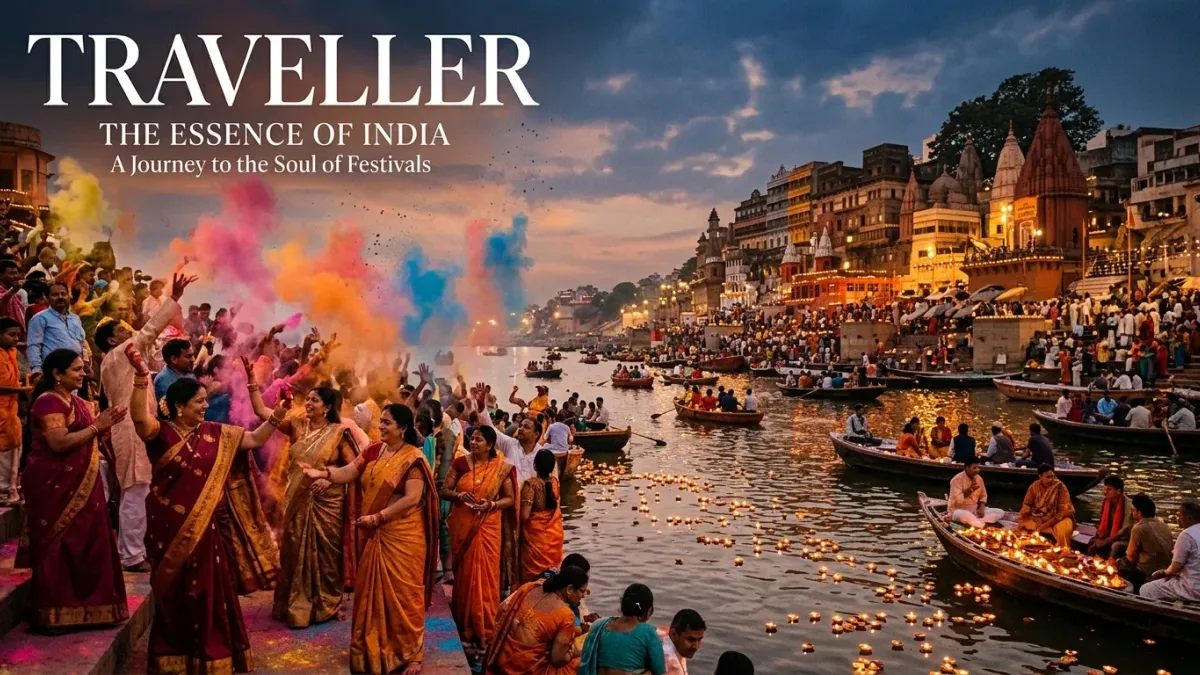
Feel the Pulse of India: Why Festivals Are Your Gateway to True Immersion
Imagine the scent of marigolds and incense filling the air, the rhythmic beat of drums echoing through ancient streets, and a kaleidoscope of colors exploding around you. That's India during a festival – a sensory overload in the best possible way, an unforgettable journey into the heart of its culture. Generic sightseeing is one thing, but witnessing India erupt in celebration? That's when you truly connect with its soul. For over 15 years, I've chased these moments, from the dusty desert plains of Rajasthan to the lush hills of the Northeast, and trust me, they're pure magic.
Many travelers visit India, tick off the major sights, and leave, but they miss a crucial layer of experience. festivals aren't just events; they are living traditions, a vibrant tapestry woven with stories, devotion, and community spirit. They offer a unique window into local life, allowing you to participate rather than just observe. But how do you navigate this beautiful chaos? How do you pick the right festival, prepare for the intensity, and ensure you're traveling responsibly? Don't worry, I've got your back. Let's dive into making your festival adventure truly epic.
Timing is Everything: Picking Your Perfect Festival Experience
India's calendar is perpetually dotted with celebrations, meaning there’s almost always a festival happening somewhere. But to truly immerse yourself, you need to pick wisely, considering both the event itself and the regional weather. Planning ahead is key, especially when dealing with peak festival season crowds and inflated prices. Let me add something here: "shoulder season" (the periods just before or after peak season) can sometimes offer a good compromise, though for major festivals, you'll still be in high demand times.
Iconic Festivals & When to Catch Them
- Diwali (Festival of Lights): October/November. Celebrated nationwide, but particularly spectacular in North India (Varanasi, Jaipur) and Mumbai. Expect pleasant post-monsoon weather (around 20-30°C / 68-86°F). This is India's biggest festival, akin to Christmas, with homes lit with diyas (oil lamps), fireworks, and sweets. Budget: Expect daily costs to rise due to demand, around $50-70 USD/day for mid-range travelers (accommodation around $30-45/night, food $15-20, transport $5-10). Book everything months in advance!</li<
- Holi (Festival of Colors): March. Predominantly North India (Mathura, Vrindavan, Pushkar, Jaipur). The weather can be warm and dry (25-35°C / 77-95°F). Prepare to be drenched in color and water! This is a boisterous, joyous festival. Budget: Slightly less expensive than Diwali, perhaps $40-60 USD/day (accommodation $25-40, food $10-15, transport $5-10).
- Pushkar Camel Fair: Late October/Early November. Pushkar, Rajasthan. Experience cool desert nights and warm days (15-30°C / 59-86°F). This isn't just about camels; it's a massive cultural gathering, with folk music, dance, and spiritual rituals. Budget: High demand makes this pricey. Expect $60-90 USD/day, especially for tented camps (accommodation $40-70, food $15-20, transport $5-10).
- Hornbill Festival: Early December. Kohima, Nagaland (Northeast India). Cool, pleasant weather (10-20°C / 50-68°F). A stunning showcase of indigenous Naga culture, tribes, and traditions. This requires a Protected Area Permit (PAP) for foreigners, so plan well ahead. Budget: Higher due to remoteness and permit costs, $70-100 USD/day (accommodation $40-60, food $20-25, transport $10-15). Recommended stay: 3-5 days to truly absorb the various tribal performances and villages.
For festivals like these, I recommend staying for at least 3-5 days to fully soak in the atmosphere, especially since there are often pre and post-festival events. Remember, "slow travel" (spending more time in fewer locations) really allows for deeper immersion, which is especially rewarding during festivals.
Getting Ready: Logistics, Budgeting, and Packing Essentials
So far we've covered the why and when. Now let's get to the really critical point: how to actually make this happen. Preparation is paramount for a smooth festival experience in India. Things can get chaotic, but a little foresight goes a long way. This isn't just about booking flights; it's about understanding the unique dynamics of festival travel.
Visa, Flights & Accommodation
First, ensure your Indian e-Visa is sorted well in advance. Then, book your international and domestic flights ASAP. During major festivals, flights and train tickets sell out months ahead, and prices skyrocket. The same goes for accommodation. I once tried to find a last-minute room in Jodhpur during Diwali – a mistake I won't repeat!
- Accommodation: Expect prices to double or triple. For example, a family-run guesthouse in the hills above Chefchaouen (wait, wrong continent! ed. - Correcting my mistake here, meant to say Jodhpur or Jaipur during a festival) for $35/night might be $80-100 during Diwali. Look for options slightly outside the main festival hub if you're on a tighter budget, and be prepared to commute. Hostels are great for solo travelers and often organize festival-related events.
- Transport: For inter-city travel, trains are king. Book through IRCTC or trusted agents like 12go.asia. During festivals, trains are packed; consider booking AC classes for comfort. For local transport, embrace shared auto-rickshaws, cycle-rickshaws, and local buses. They're incredibly cheap (often just a few dollars for longer routes) but expect them to be crowded. "Overlanding" (traveling long distances by land, often in a self-sufficient manner) is less common for festivals unless you're on a grander tour, but local bus networks are extensive.
Realistic Daily Budgets & Packing
Honestly, India can be incredibly affordable, but festival times test that. For a mid-range traveler attending a major festival, a realistic daily budget is around $50-80 USD per person. This accounts for higher accommodation costs ($30-50/night for a decent private room), food ($15-20/day for a mix of local eateries and a few nicer meals), and transport/activities ($5-10/day). If you're backpacking and staying in dorms, you might get by on $35-50/day, but it's tighter.
What to pack? Light, breathable clothing is essential. Think cotton and linen. If you're attending Holi, bring old clothes you don't mind getting stained forever. A sturdy pair of sandals or shoes you can walk in all day, a daypack, a reusable water bottle (crucial for sustainable travel practices), hand sanitizer, a basic first-aid kit, and any personal medications. Pro tip: Always carry toilet paper; not all places provide it!
Navigating the Spectacle: Safety, Etiquette & Hidden Gems
India's festivals are joyous, but they can be overwhelming. Crowds are intense, and cultural norms are different. Being prepared means not just knowing what to pack, but how to behave and stay safe.
Staying Safe & Respectful
- Crowd Management: During festivals, personal space is a luxury. Stay vigilant, keep your valuables secure (a money belt under your clothes is advisable), and know your exit points. If you feel claustrophobic, step back to the edges of the crowd. For example, imagine this situation: you're swept into a massive parade during Ganesh Chaturthi. Don't panic. Keep your hands clasped in front of you, make eye contact with people around you, and slowly work your way to the side. Better yet, find a vantage point slightly above the street level.
- Cultural Etiquette: Dress modestly, especially when visiting religious sites. Shoulders and knees should be covered. Always remove your shoes before entering temples or someone's home. When offered food or drink, it's polite to accept. Use your right hand for eating and giving/receiving items. Asking permission before taking photos of people is a must, especially women.
- Health & Hygiene: Drink only bottled or filtered water. Be mindful of street food, especially during festivals when hygiene standards might slip due to high demand. Stick to freshly cooked, hot food. Carry rehydration salts. "Delhi belly" is a real thing, but preventable with care.
Beyond the Tourist Trail: Finding Hidden Gems
While the big festivals are incredible, some of my most cherished memories come from smaller, regional celebrations. These are the true hidden gems that Destination Wanderer readers crave. How do you find them? Talk to locals! Guesthouse owners, chai wallahs, and fellow travelers are excellent sources.
For instance, instead of just the grand Holi in Mathura, seek out Lathmar Holi in Barsana, Uttar Pradesh (GPS: 27.6430° N, 77.3820° E), where women playfully beat men with sticks! It's an ancient tradition, wilder and more unique. Or, if you're in Kerala in April/May, look for a local Pooram festival – a temple festival with elaborately decorated elephants and traditional music. Thrissur Pooram is famous, but smaller village Poorams are equally enchanting and less crowded. Just ask locals for "temple festivals" or "village melas" during your travel dates. These are where you'll experience India at its most authentic, away from the commercial bustle.
Embrace the Chaos, Cherish the Memories
India during a festival is an experience like no other – a beautiful, sometimes overwhelming, but always exhilarating journey into a culture brimming with life. It demands an open mind, a flexible attitude, and a readiness to embrace the unexpected. Will things go perfectly? Probably not. Will you be pushed out of your comfort zone? Absolutely. But what would you do in this situation? You'll grow, you'll learn, and you'll collect stories that will last a lifetime.
My advice? Plan meticulously, but then let go a little. Allow yourself to be swept up in the energy, connect with the people, and savor every moment of the vibrant chaos. These festivals aren't just events to witness; they're an invitation to participate in the heartbeat of a nation. So, pack your bags, prepare your senses, and get ready to unlock the magic of India.