
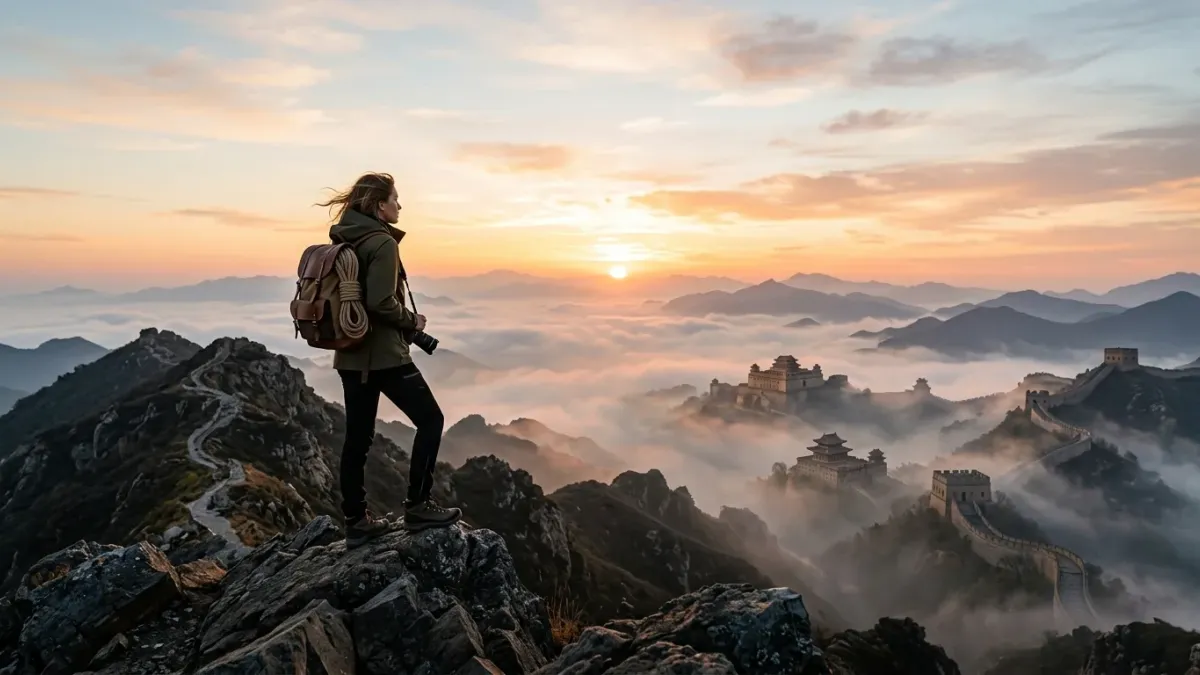
Staring at a world map and dreaming of throwing everything you need into a single pack is an exhilarating feeling, but converting that day-dream into a realistic itinerary often feels overwhelming. When I first strapped on a 50-liter pack over fifteen years ago to board a one-way flight to Southeast Asia, I made nearly every rookie mistake in the book—from overpacking heavy cotton jeans to miscalculating overland border crossing times. Planning a major journey across foreign borders does not require a degree in logistics, but it does demand a structured strategy to ensure your adventure stays safe, affordable, and stress-free.
Quick answer: Planning your first international backpacking trip involves choosing an entry-level destination like Thailand or Portugal, establishing a realistic daily budget, booking long-haul flights early, and packing light with a carry-on size backpack. Focus on securing travel insurance and arranging initial accommodations while leaving your mid-trip itinerary flexible for spontaneous travel.
Phase 1: Selecting the Ideal First-Timer Destination and Route
The single biggest mistake prospective backpackers make is selecting a high-friction destination for their initial voyage. When traveling solo or on a strict budget for the first time, you want a region with well-established infrastructure, high safety ratings, and an active traveler culture. Southeast Asia (specifically Thailand and Vietnam) and Western/Southern Europe (such as Portugal, Spain, and Central Europe) serve as the ultimate proving grounds for beginner backpackers because local transport is intuitive, English is widely spoken in tourist hubs, and hosteling networks make social connections effortless.
Consider the concept of slow travel—a philosophy focused on spending more time in fewer locations rather than rushing across five countries in two weeks. Fast-paced travel rapidly inflates your transport expenses and induces burnout. When planning your route, target a geographical hub and limit your movements to two major bases per week. This allows you to soak in cultural nuance, discover hidden neighborhood markets, and save money by using local buses rather than catching regional flights every three days.
Seasonality plays a pivotal role in trip success, especially during the shoulder season—the transitional period between peak tourist season and the off-peak low season. Traveling during the shoulder season yields optimal weather, lower accommodation costs, and significantly smaller crowds. For example, visiting Southern Europe in May or October offers warm days around 22°C (72°F) with minimal rainfall compared to the blistering hot, crowded days of July.
Traveler's tip: Never book your entire itinerary's lodging in advance. Book your first 3 nights in your arrival city to recover from jetlag and get your bearings. After that, keep your schedule open. The best advice you will receive comes from fellow travelers you meet in hostel common rooms, and staying flexible allows you to join new friends heading toward hidden mountain towns you hadn't originally planned to visit.
Phase 2: Budgeting and Financial Logistics
Building a workable travel budget requires breaking expenses into fixed costs (pre-trip equipment, international flights, and primary visas) and variable daily operating costs (lodging, street food, local transit, and activities). On average, budget backpackers spend between $35 and $120 per day depending entirely on the economic tier of the region. A complete month-long journey in Southeast Asia can cost less than a two-week trip through Scandinavia or Western Europe.
Managing currency on the road requires an intentional approach to banking to prevent bank fees from eroding your savings. Always carry two separate debit cards from different financial institutions, keeping one locked safely in your hostel locker as a backup. Use a credit card with zero foreign transaction fees for major purchases, and withdraw local currency from official bank ATMs rather than airport exchange booths, which feature predatory exchange rates.
| Region Focus | Daily Budget (USD) | Best Months (Shoulder) | Visa Requirements (US/EU/UK) | Primary Transit Options |
|---|---|---|---|---|
| Southeast Asia (Thailand, Vietnam) | $35 – $55 / day | November to February (Dry) | Visa on arrival / E-Visa (30–45 days) | Sleeper trains, local buses, scooters |
| Eastern/Central Europe (Poland, Hungary) | $60 – $85 / day | May, September, October | 90 days Schengen zone (Visa free) | FlixBus, national rail networks |
| Latin America (Peru, Colombia) | $40 – $65 / day | April to May, September to October | 90 days entry stamp on arrival | Long-distance night buses, shared vans |
Phase 3: Essential Gear and Packing Systems
Overpacking is the heaviest burden a first-time backpacker carries. A standard rule of thumb is to choose a main backpack between 40 to 50 liters in capacity. Keeping your bag size under 50 liters forces you to pack intentionally, saves your back during long walks to train stations, and allows you to fit your bag into overhead airline bins, saving hundreds of dollars in checked bag fees across your journey.
Invest in technical, quick-drying fabrics like merino wool or synthetic polyesters rather than heavy cottons. Merino wool resists odor even after multiple days of wear and dries rapidly in a guesthouse sink. Utilize compression packing cubes to organize your clothes by category (tops, bottoms, undergarments). This prevents you from needing to unpack your entire bag every time you need a fresh pair of socks in a shared dorm room.
- Carry-on Travel Pack: 40L–45L front-loading backpack with an ergonomic hip belt.
- Footwear: One pair of worn-in trail running shoes and one pair of sturdy travel sandals.
- Electronics: Universal plug adapter, 10,000mAh portable power bank, and noise-canceling earbuds.
- Health & Hygiene: Compact quick-dry microfiber towel, hanging toiletry kit, and personal first-aid basics.
- Security: TSA-approved cable padlocks for hostel lockers and a flat document neck pouch.
Phase 4: Safety, Health, and Digital Administration
Prioritizing personal safety begins long before you pack your bags. Start by checking your national government's travel advisory site (such as the U.S. Department of State or UK Foreign Office) for real-time security assessments and health warnings. Secure comprehensive medical travel insurance that includes emergency evacuation cover; paying $40 to $60 a month for insurance provides crucial protection against unexpected accidents or severe illness abroad.
Ensure your physical passport has at least six months of validity remaining from your planned date of departure—many international border authorities strictly enforce this rule and will deny boarding at airport check-in if your passport expires sooner. Make digital scans of your passport, visa confirmations, insurance documents, and vaccination records, storing secured copies in cloud storage accessible offline from your smartphone.
Respecting local cultural etiquette and practicing sustainable travel practices are vital aspects of modern backpacking. Learn basic greeting phrases in the local language, dress respectfully when visiting religious sites by covering your shoulders and knees, and minimize single-use plastics by carrying a reusable filtered water bottle. For more detailed destination breakdowns and route recommendations, consult our ultimate travel packing guides to refine your gear choices.
Recommended Next Steps
If you are ready to transition your trip from concept to reality, select your target region today based on your available budget and target time frame. Spend your first week focusing solely on securing your long-haul entry flight and renewing your passport if necessary. Once your flight is locked in, map out your first three days of accommodation and let the rest of your international adventure unfold organically on the ground.
Frequently Asked Questions
How far in advance should I start planning my international backpacking trip?
For a multi-week international trip, begin your general route planning and passport updates 4 to 6 months before departure. Book long-haul flights roughly 2 to 3 months out to secure optimal airfare pricing without losing schedule flexibility.
Is solo backpacking safe for a first-time international traveler?
Yes, solo travel is safe if you choose entry-level regions with strong tourist infrastructure, such as Southeast Asia or Western Europe. Always stay aware of your surroundings, avoid walking alone late at night in unfamiliar areas, keep your personal belongings locked in hostel lockers, and maintain regular contact with family back home.
How do I manage money and stay connected while traveling abroad?
Unlock your smartphone before leaving home and purchase a local SIM card or eSIM upon arrival for affordable local data access. For spending, carry a combination of a low-fee credit card and debit cards for localized cash withdrawals, making sure to notify your bank of your travel plans to prevent fraud locks.