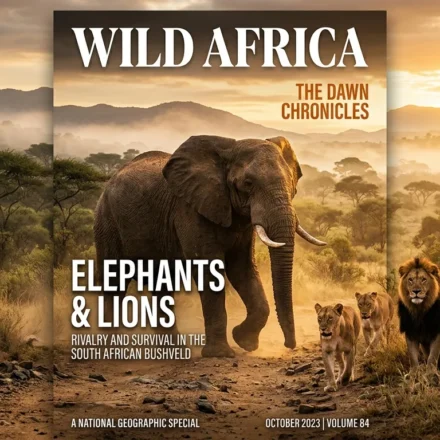


Hello, fellow wanderers! If you’re dreaming of an African safari, South Africa is likely high on your list – and for good reason. It’s a country that delivers on incredible wildlife, breathtaking landscapes, and unforgettable experiences. But for many first-timers (and even seasoned explorers), the big question often arises: Should I choose the iconic Kruger National Park or opt for a more exclusive private game reserve? As someone who’s spent countless hours tracking the “Big Five” (lion, leopard, elephant, rhino, and buffalo – the five most dangerous animals to hunt on foot, a term coined by big-game hunters) in both settings, I’m here to break it down for you.
Table Of Content
- Kruger National Park: The Grand Safari Experience
- The Pros of Kruger
- The Cons of Kruger
- Kruger Practicalities
- Private Game Reserves: The Exclusive Safari Experience
- The Pros of Private Reserves
- The Cons of Private Reserves
- Private Reserve Practicalities
- Which Safari is Right for You?
- Sustainable Safari & Safety Practices
There’s no single “best” answer, as it truly depends on your budget, travel style, and what you hope to get out of your safari. Let’s dive into the nitty-gritty of each option so you can plan your perfect South African adventure.
Kruger National Park: The Grand Safari Experience
Kruger is one of Africa’s largest and most famous national parks, offering a classic safari experience that’s accessible to a wide range of travelers. It’s a vast wilderness, roughly the size of Israel, with an incredible diversity of ecosystems and wildlife.
The Pros of Kruger
- Affordability: Generally, Kruger is the more budget-friendly option, especially if you opt for a self-drive safari. You control your pace and costs.
- Freedom and Flexibility: With a self-drive safari, you can explore the park at your own leisure, stopping wherever and whenever you like (within park rules, of course).
- Authentic Wilderness: The sheer scale of Kruger gives you a genuine feeling of being in a wild, untamed environment. You’ll cover vast distances and encounter diverse landscapes.
- Accommodation Options: The park offers a range of SANParks (South African National Parks) rest camps, from basic camping to comfortable bungalows (often called rondavels) and guesthouses.
The Cons of Kruger
- Crowds: During peak season or around popular sightings (like a lion kill), multiple vehicles can converge, which can detract from the feeling of exclusivity.
- Restricted Access: You must stick to designated roads; off-roading is strictly prohibited to protect the environment. This can sometimes limit how close you get to sightings.
- Self-Catering Can Be Time-Consuming: While saving money, preparing your own meals at rest camps takes away from valuable game-viewing time.
Kruger Practicalities
- Best Time to Visit: The dry winter months (May to October) are ideal. Vegetation is sparse, and animals congregate around waterholes, making sightings easier. Days are sunny and mild (20-25°C), nights can be cool. The wet summer months (November to April) are great for birdwatching and seeing newborn animals, but game viewing can be more challenging due to dense bush.
- Realistic Daily Budget (per person):
- Accommodation: $30-100 (camping to basic bungalows). For example, a comfortable bungalow at Lower Sabie Rest Camp might be $70-90/night.
- Park Fees: ~$30-40 (for international visitors).
- Food: $20-40 (self-catering with groceries from camp shops or simple restaurant meals).
- Vehicle Rental & Fuel: ~$40-80 (if splitting costs).
- Total: Expect to spend roughly $100-200 per person per day for a mid-range, self-drive Kruger safari.
- Recommended Stay Duration: 3-5 days is ideal to cover different sections of the park and maximize your chances of diverse sightings.
- Transportation: A 2WD sedan is usually sufficient for main roads, but a higher-clearance vehicle offers better visibility. Fly into Skukuza (SZK) or Kruger Mpumalanga International (MQP) and rent a car.
Private Game Reserves: The Exclusive Safari Experience
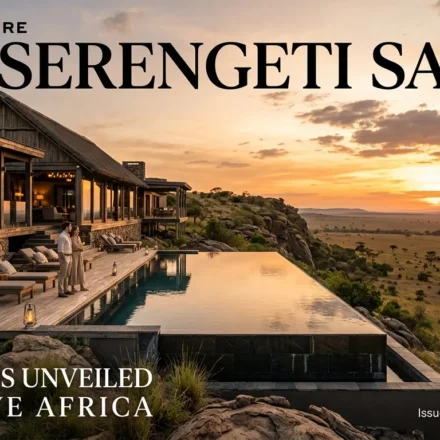
Private game reserves are typically smaller, privately owned or managed concessions bordering or near Kruger National Park (e.g., Sabi Sands, Timbavati, Manyeleti). They offer a more luxurious and intimate safari experience.
The Pros of Private Reserves
- Exclusivity: Fewer vehicles per sighting means a more personal and often longer viewing experience.
- Expert Guides & Trackers: Highly trained rangers and trackers offer unparalleled knowledge, enhancing your understanding of the bush and increasing your chances of finding elusive animals.
- Off-Roading & Night Drives: Crucially, guides can go off-road to get closer to sightings and conduct night drives, opening up opportunities to see nocturnal animals like civets and leopards.
- Luxury Accommodation: Lodges often provide opulent rooms, gourmet dining, and additional amenities like spas and pools. Most are all-inclusive, covering accommodation, food, drinks, and daily game drives.
- Guaranteed “Big Five” Sightings: While never truly guaranteed, the expertise and off-road capabilities of private reserve guides significantly increase your chances.
The Cons of Private Reserves
- High Cost: This is the most significant drawback. The luxury and exclusivity come at a premium.
- Less Freedom: Your schedule is typically set by the lodge (early morning and late afternoon game drives).
- Smaller Area: While adjacent to Kruger, the individual reserve areas are smaller, which some travelers feel offers a less “wild” experience.
Private Reserve Practicalities
- Best Time to Visit: Similar to Kruger, the dry winter months (May to October) are generally preferred for game viewing. However, the all-inclusive nature means you’ll have an excellent experience year-round.
- Realistic Daily Budget (per person):
- Luxury Lodges: $800-2000+ per person per night. This usually includes all meals, local drinks, and two game drives daily.
- Total: Expect to budget at least $800-2000+ per person per day.
- Recommended Stay Duration: 2-4 days is usually sufficient to enjoy the lodge amenities and have multiple game drive opportunities.
- Transportation: Often involves flying into a local airport (like Hoedspruit HDS or Skukuza SZK) and then a road transfer or small charter flight directly to the lodge’s airstrip.
Which Safari is Right for You?
As your trusted travel buddy, here’s my take on helping you decide:
- Choose Kruger if:
- You’re on a tighter budget but still want an incredible safari.
- You love the idea of a self-drive adventure and controlling your own pace.
- You prefer a more rustic, independent travel style.
- You’re happy to potentially share sightings with other vehicles for the sake of accessibility.
- Choose a Private Reserve if:
- Your budget allows for a premium, luxurious experience.
- You prioritize exclusivity, guaranteed close-up sightings, and expert guidance.
- You want a completely stress-free, all-inclusive package where everything is taken care of.
- You’re celebrating a special occasion or simply want to splurge on an unforgettable trip.
Pro Tip: Many travelers opt for a combination! Start with a few days of self-driving in Kruger to experience its vastness, then treat yourself to 2-3 nights in a private reserve for that exclusive, luxurious finish. It’s the best of both worlds!
Sustainable Safari & Safety Practices
No matter which option you choose, always remember to travel responsibly:
- Respect Wildlife: Maintain a safe distance, never feed animals, and keep noise to a minimum.
- Stick to the Rules: Obey speed limits, stay on designated roads, and listen to your guides.
- No Littering: Pack out everything you pack in. Support lodges and operators committed to conservation.
- Cultural Etiquette: If interacting with local communities, do so respectfully and considerately.
- Personal Safety: Always be aware of your surroundings, especially in unfenced areas. Keep valuables secure.
Whether you choose the expansive wilderness of Kruger or the intimate luxury of a private reserve, a South African safari promises an unparalleled adventure. Both offer incredible opportunities to witness Africa’s magnificent wildlife up close. So, pack your bags, grab your binoculars, and get ready for the trip of a lifetime!