Beyond the Bright Lights: A Journey into Japan's True Heart
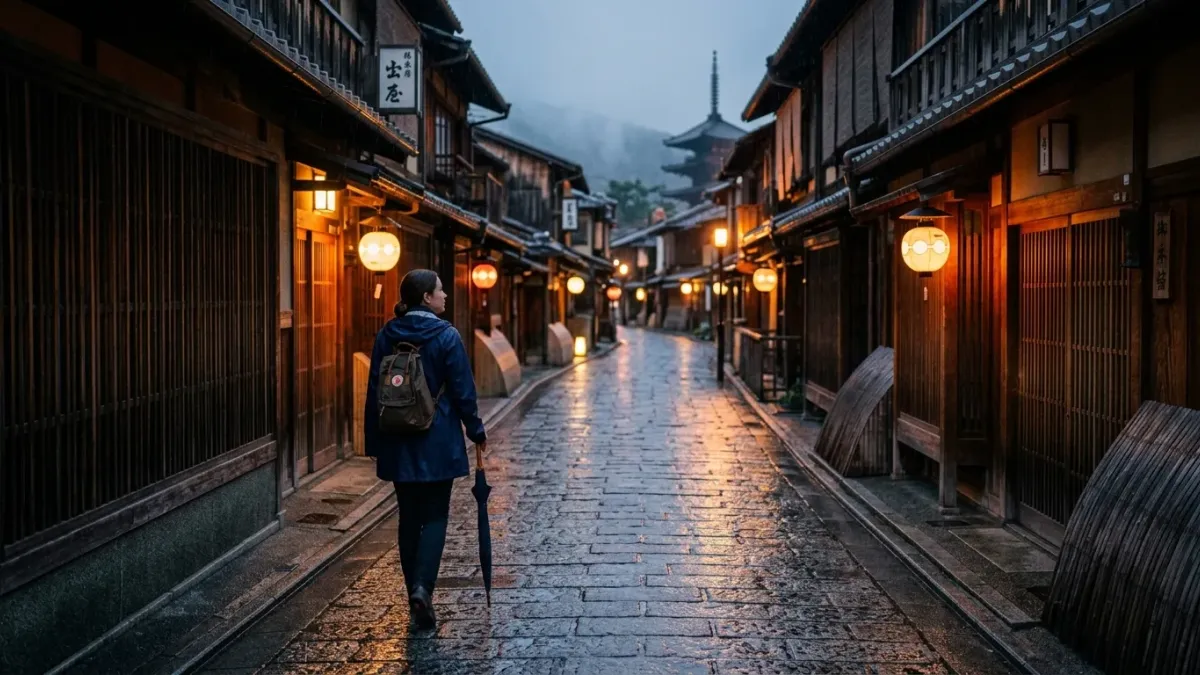
For over a decade and a half, I’ve chased sunrises from remote mountain passes and savored street food in bustling markets, always seeking the pulse of a destination far from the selfie sticks and tour buses. Japan, a country often painted with broad strokes of neon cities and ancient temples, holds a profound secret: its true magic often lies in the quiet, unassuming corners, far from the well-trodden Golden Route. You’ve seen the iconic images of Tokyo's Shibuya crossing and Kyoto's bamboo groves. But what if I told you there’s a whole other Japan waiting to be discovered? A Japan where time seems to slow, where ancient folklore whispers from forested hillsides, and where genuine interactions with locals become the highlights of your journey.
This isn't about simply "traveling like a local" in a superficial sense – grabbing a coffee from a chain store or navigating a subway. This is about deep immersion, about understanding the rhythm of daily life in places that rarely make it into glossy travel brochures. It’s about ditching the exhaustive itinerary for serendipitous encounters, swapping luxury hotels for family-run guesthouses, and trading the bullet train for local buses that meander through rice paddies. If you’re an aspiring adventurer, a solo wanderer, or a couple seeking truly unique cultural experiences on a realistic budget, this guide is your blueprint to unlocking the Japan that most tourists never see.
My goal is to equip you with the actionable advice I’ve gathered from countless train rides, backroad hikes, and shared meals across Japan's less-explored prefectures. Forget the generic "top 10 lists." We're going deeper, into the heart of what makes Japan so incredibly captivating, one hidden gem at a time.
The Mindset of the Off-Path Explorer: Why and When to Go Deeper
Why Venture Beyond the Main Hubs?
The allure of Japan’s major cities is undeniable, but the true essence of its culture, hospitality, and natural beauty often blossoms in its regional areas. Here's why I advocate for going off-piste:
- Authentic Cultural Immersion: In smaller towns and rural communities, daily life unfolds much as it has for generations. You'll witness traditional crafts, participate in local festivals, and experience hospitality that is deeply rooted in community values, far from the commercialized tourist experience.
- Budget-Friendly Travel: Accommodation, food, and even local transportation tend to be significantly more affordable outside of Tokyo, Kyoto, and Osaka. Your daily budget stretches further, allowing for longer stays and more experiences.
- Unique Encounters: Without the language barrier acting as a shield, locals in these areas are often incredibly curious and welcoming to foreign visitors. These are the places where you might be invited for tea by a shopkeeper, share a laugh with a farmer, or stumble upon an impromptu local gathering. These unplanned interactions are the bedrock of truly memorable travel.
- Stunning Natural Landscapes: Japan is 70% mountainous. Beyond the cities, you’ll find pristine national parks, dramatic coastlines, ancient forests, and volcanic landscapes perfect for hiking, cycling, and spiritual journeys.
Timing Your Deep Dive: Embracing the Shoulder Season
While cherry blossom season (late March to early April) and autumn leaves (late October to early December) are beautiful, they also bring peak crowds and prices. For an authentic, unhurried experience, I highly recommend traveling during the shoulder season. This refers to the periods just before or after peak season.
- Late April to Mid-June: After the cherry blossoms, before the intense summer heat and typhoon season. Weather is generally pleasant, lush greenery abounds, and crowds are manageable. Expect comfortable temperatures from 15-25°C (59-77°F).
- September to Mid-October: After the summer holidays and before the full blast of autumn color tourists. Temperatures are cooling (15-22°C / 59-72°F), humidity drops, and the landscapes are still vibrant.
Traveling during these times offers the best balance of good weather, fewer crowds, and often better deals on accommodation and flights, giving you more space and freedom to explore.
Beyond the Shinkansen: Navigating Japan's Regional Transport Network
The Shinkansen (bullet train) is an engineering marvel, but for true regional exploration, you'll need to think beyond its high-speed routes. While the Japan Rail Pass is excellent for covering long distances between major cities, it might not be the most economical or practical choice if you're focusing solely on deeper regional travel. Here's how to navigate Japan's smaller networks like a seasoned local:
Local Trains (Densha) and Regional Passes
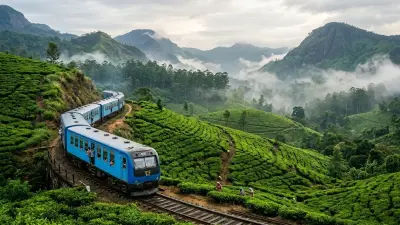
These are your bread and butter for connecting smaller towns. Often single-track, charmingly old-fashioned, and offering incredible scenic views, local trains are an experience in themselves. They're slower, cheaper, and stop at every station, allowing you to glimpse daily life outside the window.
- Seishun 18 Kippu: This is a game-changer for budget travelers. Available during specific school holiday periods (spring, summer, winter), it offers five days of unlimited travel on local (non-Shinkansen, non-express) JR trains for a flat, incredibly low price (around ¥12,050 for 5 days, or ¥2,410/day). You can use it consecutively or spread the days out. It's perfect for slow travel and exploring multiple prefectures.
- Regional JR Passes: Instead of the nationwide JR Pass, look into specific regional passes like the JR East Pass (Tohoku Area) or the JR Kyushu Rail Pass. These often cover limited express trains and sometimes even Shinkansen within a specific region, offering better value if you're staying put in one area.
- Buying Tickets: For individual journeys, use ticket machines (most have English options) or buy from the manned counter. Hold onto your ticket; you'll need it to exit the station.
Buses: The Lifeline of Rural Japan
Once you step off the train, buses become indispensable. They connect train stations to remote villages, hiking trails, and onsen (hot spring) resorts. While sometimes less frequent, they are reliable.
- Payment: Often, you take a numbered ticket when you board and pay cash into a machine at the front when you exit, based on the fare displayed for your ticket number. Have small change (¥100 coins, ¥1,000 notes) ready. Some buses accept IC cards (like Suica/Pasmo), but it's not guaranteed in very rural areas.
- Navigation: Google Maps is surprisingly good for bus routes and timings even in remote areas. Local tourist information centers (look for a "i" symbol) at train stations are invaluable for bus schedules and routes specific to their region.
Renting a Car: The Ultimate Freedom
For truly remote areas like the Iya Valley or exploring multiple spots in Hokkaido, renting a car offers unparalleled flexibility. Japan has excellent, well-maintained roads, and driving on the left is manageable.
- Requirements: You'll need an International Driving Permit (IDP) issued in your home country (check if your country has a reciprocal agreement with Japan or if an IDP is required).
- Cost: Expect to pay around ¥5,000-8,000 per day for a compact car, plus tolls (can be expensive on expressways) and fuel. Look for regional rental companies for potentially better deals.
- Navigation: Car rental companies offer GPS with English options. Inputting phone numbers or MapCodes (a unique 10-digit code for specific locations) is often easier than addresses.
Immersive Stays & Local Flavors: Sleeping and Eating Like a Local
Authentic Accommodation: More Than Just a Bed
Ditch the anonymous business hotels. In regional Japan, your accommodation can be a cultural experience in itself.
Minshuku: Your Home Away From Home: Think of a minshuku as a Japanese bed and breakfast. These are family-run guesthouses, often in traditional homes, offering simple tatami-mat rooms and usually including a delicious homemade breakfast and dinner. They are incredibly personal, often cheaper than ryokan, and provide a fantastic opportunity to interact with local families. Expect to pay ¥6,000-10,000 per person per night, including two meals.
Example: In the Iya Valley, Shikoku, staying at a small minshuku like Minshuku Kazurabashi (near the famous vine bridge) offers simple rooms and hearty local fare for around ¥8,000/night with two meals. It’s a genuine slice of rural life.
Traditional Ryokan (Smaller Scale): While luxury ryokan can be pricey, many smaller, regional ryokan still offer an authentic experience without breaking the bank. These usually feature communal baths (often onsen), exquisite multi-course meals (kaiseki), and attentive service. Look for ones outside major tourist areas for better value. Budget around ¥10,000-18,000 per person per night with two meals.
Temple Stays (Shukubo): Particularly in areas like Mount Koya or the Dewa Sanzan mountains, staying at a temple (shukubo) offers a unique insight into monastic life. You sleep in simple tatami rooms, eat vegetarian Buddhist cuisine (shojin ryori), and can participate in morning prayers. Prices vary, typically ¥9,000-15,000 per person per night with meals.
Eating Your Way Through Local Flavors
Food is culture. In regional Japan, you'll discover dishes that never make it to international menus.
- Izakaya & Yakitori-ya: While present everywhere, in smaller towns, these izakaya (Japanese gastropubs) and yakitori-ya (grilled skewer shops) are where locals unwind. They’re often bustling, smoky, and incredibly welcoming. Pointing, Google Translate, and a willingness to try anything are your best tools. Budget ¥2,000-4,000 for a hearty dinner with drinks.
- Specialty Restaurants: Each region prides itself on unique dishes. Seek out small, independent restaurants specializing in local soba noodles, regional ramen variations, okonomiyaki (savory pancakes), or seasonal seafood. Lunch sets (teishoku) are fantastic value, often ¥800-1,500.
- Roadside Stations (Michi-no-Eki): These are more than just rest stops; they're hubs for local produce, crafts, and often feature excellent, affordable restaurants serving regional specialties.
Ordering Tip: Many local eateries won't have English menus. Look for plastic food replicas in the window (shokuhin sample), point, or use Google Translate's camera function. A simple "Kore kudasai" (This, please) with a gesture goes a long way.
Unearthing Japan's Hidden Gems: Specific Destinations & Experiences
Ready to venture beyond? Here are a few personal favorites that offer a profound, unvarnished Japanese experience.
1. Iya Valley, Shikoku: Bridges, Rivers, and Mountain Seclusion
Nestled deep in the mountains of Tokushima Prefecture on Shikoku island, the Iya Valley is a world away from modern Japan. It’s famed for its dramatic vine bridges (Kazurabashi), pristine emerald rivers, and steep, forested gorges.
- Why Go: Experience traditional mountain life, thrilling suspension bridges, and stunning natural beauty. It's an adventurer's paradise for hiking, rafting, and simply unplugging.
- Getting There: From Okayama, take a JR train to Ōboke Station. From there, local buses (infrequent, check schedules carefully) or a rental car are necessary to explore the valley. A rental car offers the most flexibility.
- Recommended Stay: 2-3 full days.
- Budget: ~$70-100/day (including minshuku with meals, local transport).
- Key Experiences:
- Crossing the terrifying but exhilarating Iya Kazurabashi (vine bridge).
- Visiting the remote Ochiai Village, a hillside hamlet of traditional thatched-roof houses (some are available as vacation rentals).
- Hiking the trails around Mount Tsurugi, Shikoku's second-highest peak.
- Relaxing in a riverside onsen like Hotel Kazurabashi, which has a cable car taking you down to outdoor baths.
- Local Tip: Bus services are limited. Consider hiring a taxi for a half-day or full-day tour from Ōboke Station, especially if you're not driving.
2. Tono, Iwate (Tohoku): The Land of Folklore and Fairytales
In the heart of Iwate Prefecture, Tono is known as the "hometown of folklore." This tranquil rural area is famous for its legends of kappa (water sprites) and zashiki-warashi (house spirits), traditional magariya (L-shaped farmhouses with attached stables), and a slower pace of life.
- Why Go: Immerse yourself in rural Japanese culture, explore ancient traditions, and experience a unique sense of peace and nostalgia.
- Getting There: Take the Tohoku Shinkansen to Shin-Hanamaki, then transfer to a local JR Kamaishi Line train to Tono Station. From Tono Station, renting a bicycle (around ¥500/day) or a car is ideal for exploring the scattered sights.
- Recommended Stay: 1-2 full days.
- Budget: ~$60-90/day (guesthouse, food, bike rental).
- Key Experiences:
- Cycling through the picturesque countryside, visiting Tono Furusato Village (a collection of relocated magariya).
- Searching for kappa at the Kappabuchi Pool.
- Exploring the Tono Folklore Museum and Denshoen Cultural Center to learn about local legends and silk farming.
- Enjoying local cuisine like hitou ramen (stewed horse meat ramen) or Jingisukan (grilled mutton).
- Local Tip: Many attractions close early (around 4-5 PM). Plan your cycling route to account for distances between sites.
3. Dewa Sanzan, Yamagata (Tohoku): The Sacred Three Mountains
For a truly spiritual and physically rewarding experience, head to the Dewa Sanzan: Mount Haguro, Mount Gassan, and Mount Yudono. These sacred mountains have been a pilgrimage site for over 1,400 years, home to the yamabushi (mountain ascetics).
- Why Go: A profound spiritual journey, stunning nature, and a chance to participate in ancient Shugendo practices (mountain asceticism).
- Getting There: From Tsuruoka Station (easily accessible by JR Uetsu Line), take a local bus to the base of Mount Haguro (around 45 minutes). Buses also connect the three mountains during the summer pilgrimage season.
- Recommended Stay: 2 days (one for Haguro, one for Gassan/Yudono if open). Note: Mount Gassan and Yudono are only accessible from July to mid-October due to heavy snow. Mount Haguro is accessible year-round.
- Budget: ~$80-120/day (temple stay, bus, shrine entry).
- Key Experiences:
- Climbing the 2,446 stone steps of Mount Haguro, passing through ancient cedar forests and past the stunning Gojunoto (five-story pagoda).
- Staying at a shukubo (temple lodging) at the base of Mount Haguro, experiencing vegetarian shojin ryori and morning prayers.
- If visiting in summer, undertaking the pilgrimage to Mount Gassan (summit shrine) and Mount Yudono (unique shrine built over a hot spring).
- Trying Dewa Sanzan soba (buckwheat noodles) or local wild vegetable dishes.
- Local Tip: Wear comfortable hiking shoes. If you visit in winter, Mount Haguro is still magical, with snow-covered cedars, but only the pagoda and main shrine are easily accessible.
Practical Wisdom for the Off-Path Explorer
To ensure your deep dive into Japan is smooth and respectful, keep these practical tips in mind:
- Learn Basic Japanese Phrases: Beyond "hello" and "thank you," learn practical phrases like "Sumimasen" (Excuse me/Sorry), "Eigo wa hanasemasu ka?" (Do you speak English?), "Kore wa ikura desu ka?" (How much is this?), "Oishii desu!" (Delicious!). A small phrasebook or Google Translate will be your best friend.
- Cash is King (Especially Off-Path): While major cities are becoming more cashless, many rural minshuku, local restaurants, and small shops still operate primarily on cash. Always carry enough yen, especially ¥1,000 notes and ¥100 coins. Look for 7-Eleven or Japan Post Bank ATMs for withdrawals.
- Stay Connected: A pocket WiFi device or an eSIM for your phone is essential for navigation (Google Maps is excellent for bus/train schedules) and translation. Don't rely on free public WiFi in remote areas.
- Respect Local Customs & Sustainability:
- Shoes: Always remove your shoes when entering homes, guesthouses, some restaurants, and temples. You'll often be provided with slippers.
- Onsen Etiquette: Bathe thoroughly *before* entering the hot spring. Tattoos are sometimes restricted; cover them if possible or seek out tattoo-friendly onsen.
- Waste: Japan is incredibly clean. Carry a small bag for your trash until you find a designated bin (which can be sparse outside convenience stores).
- Quiet: Maintain a respectful volume, especially on public transport and in residential areas.
- Photography: Always ask permission before taking photos of people, especially in rural communities or during religious ceremonies.
- Safety: Japan is one of the safest countries in the world. However, in rural areas, be mindful of wildlife (bears in some mountain regions), check weather conditions before hiking, and inform your accommodation of your plans if going on a longer trek.
This deeper journey into Japan is not just about ticking off sights; it's about connecting with a culture, its people, and its landscapes on a profoundly personal level. It demands a little more planning, a dash more courage, and a whole lot of curiosity. But trust me, the rewards are immeasurable – stories you'll tell for a lifetime, friendships you didn't expect, and a version of Japan that will stay etched in your soul.