




Unlock Tokyo’s Culinary Secrets: Your Guide to Street Food Heaven
Konnichiwa, fellow wanderers! If you’re anything like me, your travel plans often revolve around one thing: food. And when it comes to a city as dynamic and delicious as Tokyo, diving into its street food scene isn’t just a meal; it’s an adventure. Forget your generic “top 10 lists”—we’re going deeper, into the bustling markets and hidden alleys where the real magic happens. As someone who’s spent countless hours navigating Tokyo’s labyrinthine streets, armed with little more than a keen sense of smell and a yen for authentic flavors, I’m here to share my ultimate guide to the city’s must-try street eats.
Table Of Content
- Unlock Tokyo’s Culinary Secrets: Your Guide to Street Food Heaven
- 15 Must-Try Tokyo Street Food Dishes & Where to Find Them
- 1. Takoyaki (Octopus Balls)
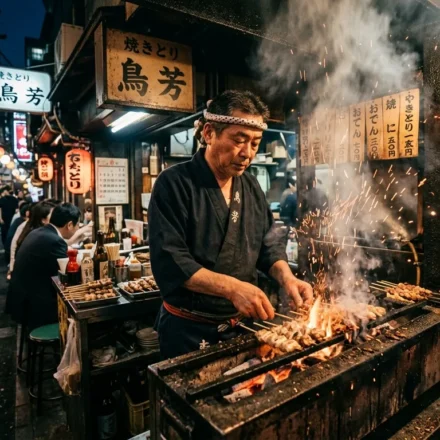
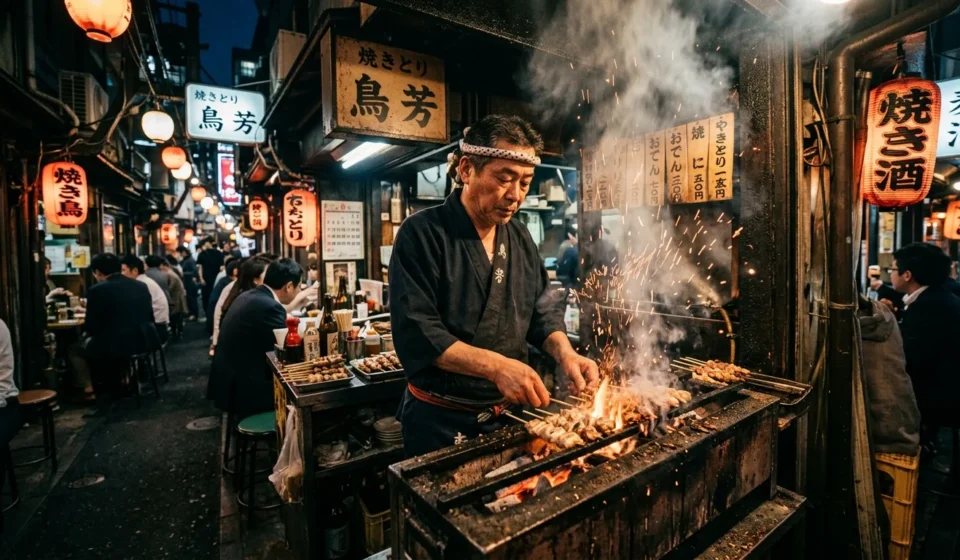
- 2. Yakitori (Grilled Skewers)
- 3. Taiyaki (Fish-Shaped Pastry)
- 4. Karaage (Japanese Fried Chicken)
- 5. Melon Pan (Melon Bread)
- 6. Dango (Mochi Skewers)
- 7. Harajuku Crepes
- 8. Senbei (Rice Crackers)
- 9. Nikuman (Steamed Pork Buns)
- 10. Korokke (Japanese Croquettes)
- 11. Tamagoyaki (Rolled Omelet)
- 12. Yakiimo (Roasted Sweet Potato)
- 13. Gyoza (Pan-Fried Dumplings)
- 14. Kushikatsu / Kushiage (Deep-Fried Skewers)
- 15. Monjayaki (Tokyo’s Savory Pancake)
- Practical Tips for Your Tokyo Street Food Adventure
- Best Time to Visit Tokyo for Food
- Realistic Daily Budget for Street Eats
- Cultural Etiquette & Sustainability
- Hidden Gems & Markets to Explore
Tokyo’s street food culture offers a fantastic way to experience local life, often on a budget, while fueling your explorations. From savory snacks that pack a punch to delectable desserts, prepare your taste buds for an unforgettable journey. Let’s dig in!
15 Must-Try Tokyo Street Food Dishes & Where to Find Them
Here are my top picks for the dishes you absolutely have to sample, along with insider tips on where to hunt them down:
1. Takoyaki (Octopus Balls)
- What it is: Golden-crisp on the outside, gooey on the inside, these spherical delights are filled with tender pieces of octopus, pickled ginger, and green onion. Topped with a savory brown sauce, mayonnaise, bonito flakes (katsuobushi), and dried seaweed (aonori).
- Where to find it: While originally from Osaka, Tokyo has fantastic takoyaki stalls. Look for them in areas like Shinjuku, Shibuya, and especially around Ameya-Yokocho Market (Ueno). Many small vendors specialize in just takoyaki.
- Budget: ¥400-700 for 6-8 pieces.
- Pro Tip: Watch the masters prepare them with incredible speed and precision on their special griddles! Be careful—they’re often served piping hot.
2. Yakitori (Grilled Skewers)
- What it is: Skewered chicken (or sometimes vegetables/pork) grilled over charcoal, seasoned with either salt (shio) or a sweet soy glaze (tare). Every part of the chicken, from thigh to skin to meatballs (tsukune), can be found.
- Where to find it: Everywhere! Many small izakaya (Japanese pubs) have street-side grills. Explore the narrow alleys of Omoide Yokocho (“Piss Alley”) in Shinjuku or Harmonica Yokocho in Kichijoji for a classic atmosphere.
- Budget: ¥150-300 per skewer.
- Pro Tip: Don’t be afraid to try different cuts. The crispy skin (kawa) and juicy thigh (momo) are personal favorites.
3. Taiyaki (Fish-Shaped Pastry)
- What it is: A delightful fish-shaped cake, typically filled with sweet red bean paste (anko), but also available with custard, chocolate, or sweet potato. Crispy on the outside, soft and warm within.
- Where to find it: Popular near temples and shopping streets. Try Yanaka Ginza Shopping Street for traditional versions, or look for small stalls in Shinjuku and Shibuya.
- Budget: ¥150-250 per piece.
- Pro Tip: Some places make them “one-by-one” (ichiya-ki), meaning each taiyaki is cooked in its own mold, resulting in a superior crispness.
4. Karaage (Japanese Fried Chicken)
- What it is: Marinated boneless chicken, lightly dredged in potato starch and deep-fried to golden perfection. It’s incredibly juicy and flavorful, often served with a lemon wedge.
- Where to find it: Convenient stores often sell good karaage, but for the best street versions, head to food stalls in shopping districts or near train stations. Many izakayas also serve it.
- Budget: ¥300-600 for a small serving.
- Pro Tip: It’s the ultimate comfort food and pairs perfectly with a cold drink on a hot day.
5. Melon Pan (Melon Bread)
- What it is: A sweet, soft bun with a thin, crispy, cookie-like crust on top, often scored to resemble a melon. Despite the name, it rarely tastes like melon (though some modern versions do).
- Where to find it: Found at bakeries and street stalls throughout Tokyo. A famous spot is Asakusa Kagetudo near Senso-ji Temple in Asakusa, known for their freshly baked, warm melon pan.
- Budget: ¥200-350 per bun.
- Pro Tip: Try it warm! Some places serve it with a scoop of ice cream inside.
6. Dango (Mochi Skewers)
- What it is: Sweet Japanese dumplings made from mochiko (rice flour), typically served on a skewer. Varieties include plain, grilled with a sweet soy glaze (mitarashi dango), or topped with red bean paste or kinako (roasted soybean flour).
- Where to find it: Common at temple markets, traditional snack shops, and street stalls in areas like Asakusa and Yanaka Ginza.
- Budget: ¥100-250 per skewer.
- Pro Tip: Mitarashi dango, with its slightly savory-sweet glaze, is a must-try.
7. Harajuku Crepes
- What it is: Thin, sweet crepes rolled into a cone shape and filled with an astonishing array of ingredients: fresh fruit, whipped cream, ice cream, chocolate sauce, cheesecake, brownies, and more.
- Where to find it: The heart of crepe culture is Takeshita Street in Harajuku. You can’t miss the colorful displays and long lines.
- Budget: ¥500-1000, depending on fillings.
- Pro Tip: It’s a quintessential Harajuku experience. Pick a wild combination and enjoy the sugar rush!
8. Senbei (Rice Crackers)
- What it is: Crispy Japanese rice crackers, often brushed with soy sauce and grilled over an open flame. They come in various shapes, sizes, and flavors, from savory to slightly sweet.
- Where to find it: Traditional senbei shops are plentiful, especially in historic districts like Asakusa. Look for places where they’re freshly grilled.
- Budget: ¥100-300 per piece or small bag.
- Pro Tip: A freshly grilled, warm senbei is a completely different experience from packaged ones.
9. Nikuman (Steamed Pork Buns)
- What it is: Soft, fluffy steamed buns filled with savory seasoned ground pork, often mixed with onion or cabbage. A perfect hand-held snack for cooler weather.
- Where to find it: Common at convenience stores (surprisingly good!) and street vendors, especially around train stations.
- Budget: ¥150-300 per bun.
- Pro Tip: Look for them in winter; they’re incredibly comforting.
10. Korokke (Japanese Croquettes)
- What it is: Deep-fried patties, usually made with mashed potatoes mixed with ground meat (beef or pork) or vegetables, coated in panko breadcrumbs. Crispy exterior, creamy interior.
- Where to find it: Butcher shops (niku-ya) often sell them fresh, as do many supermarket delis and street stalls in local shopping streets (shotengai) like Yanaka Ginza.
- Budget: ¥100-250 per piece.
- Pro Tip: Great for a quick, satisfying bite.
11. Tamagoyaki (Rolled Omelet)
- What it is: A sweet or savory Japanese rolled omelet, made by folding thin layers of cooked egg. It’s fluffy, custardy, and surprisingly complex in flavor.
- Where to find it: Most famously at Tsukiji Outer Market, where several stalls specialize in it, often offering free samples.
- Budget: ¥100-300 for a small piece.
- Pro Tip: Try both the sweet (dashimaki tamago) and savory versions to see which you prefer.
12. Yakiimo (Roasted Sweet Potato)
- What it is: Whole sweet potatoes slow-roasted over wood or charcoal until incredibly soft, sweet, and caramelized. A winter street food staple.
- Where to find it: Keep an ear out for the distinctive “yakiimo” song played from dedicated trucks or carts in residential areas, or look for stalls in parks and markets during cooler months.
- Budget: ¥300-700 per potato.
- Pro Tip: Absolutely divine on a chilly Tokyo evening. The skin is edible too!
13. Gyoza (Pan-Fried Dumplings)
- What it is: Savory dumplings, typically filled with ground pork, cabbage, and garlic, pan-fried until the bottom is crispy and the top is steamed soft. Served with a dipping sauce of soy sauce, vinegar, and chili oil.
- Where to find it: While many restaurants specialize in gyoza, you’ll find small, dedicated street-side stalls, particularly in bustling areas like Shinjuku or Shibuya, offering quick, delicious servings.
- Budget: ¥300-600 for 6-8 pieces.
- Pro Tip: Don’t be shy about customizing your dipping sauce!
14. Kushikatsu / Kushiage (Deep-Fried Skewers)
- What it is: Various ingredients—meat, seafood, vegetables—skewered, coated in panko breadcrumbs, and deep-fried. Usually served with a rich, sweet-savory dipping sauce.
- Where to find it: While more common in Osaka, Tokyo has great kushikatsu spots. Look in areas with lively nightlife and smaller eateries.
- Budget: ¥150-400 per skewer.
- Pro Tip: Remember the rule: no double-dipping in the communal sauce!
15. Monjayaki (Tokyo’s Savory Pancake)
- What it is: Tokyo’s answer to okonomiyaki, but with a runnier, more liquid batter. Ingredients like seafood, meat, and vegetables are mixed into the batter and cooked on a hot griddle at your table, then eaten directly off the griddle with a small spatula.
- Where to find it: The spiritual home of monjayaki is Tsukishima Monja Street, a short train ride from Ginza. It’s packed with dozens of specialized restaurants.
- Budget: ¥1000-2000 per pan (serves 1-2).
- Pro Tip: This is an interactive experience! Don’t be afraid to ask staff to show you how to cook it if you’re unsure.
Practical Tips for Your Tokyo Street Food Adventure
Best Time to Visit Tokyo for Food
While Tokyo’s street food scene is year-round, the shoulder seasons (March-May and September-November) offer the most comfortable weather for walking and exploring food stalls. Summers can be hot and humid, but you’ll find refreshing treats like kakigori (shaved ice). Winters are crisp, perfect for warm noodles and roasted sweet potatoes.
Realistic Daily Budget for Street Eats
You can easily enjoy a fantastic day of street food for ¥2,000-¥4,000 ($15-$30 USD). This allows for several snacks, a substantial meal, and a drink or two. Street food is one of the best ways to eat affordably in Tokyo.
Cultural Etiquette & Sustainability
- Eating While Walking: In Japan, it’s generally considered impolite to eat while walking. Most street food vendors provide a small designated eating area or expect you to stand nearby to finish your food before moving on.
- Waste Disposal: Trash cans are scarce! Be prepared to carry your wrappers and skewers until you find a bin (often near convenience stores or train stations), or hand them back to the vendor.
- Chopsticks & Utensils: Use the provided utensils or pick up food with your hands if appropriate.
- Cash is King: While cards are becoming more accepted, many smaller street food stalls operate on cash only. Always carry small yen denominations.
Hidden Gems & Markets to Explore
- Tsukiji Outer Market: Even after the inner fish market moved, the outer market remains a vibrant hub for fresh seafood, tamagoyaki, and various street snacks. GPS: 35.6657° N, 139.7709° E.
- Ameya-Yokocho (Ameyoko) Market: A lively, bustling street market under the train tracks in Ueno, offering everything from fresh produce to clothing, and plenty of street food. GPS: 35.7107° N, 139.7749° E.
- Yanaka Ginza Shopping Street: A charming, old-Tokyo style shopping street with traditional snacks, sweets, and small eateries. GPS: 35.7277° N, 139.7644° E.
Exploring Tokyo’s street food is more than just eating; it’s an immersive cultural experience, a sensory overload in the best possible way. So grab your walking shoes, an adventurous palate, and your camera. Dive into the incredible flavors that await you on the streets of Tokyo!