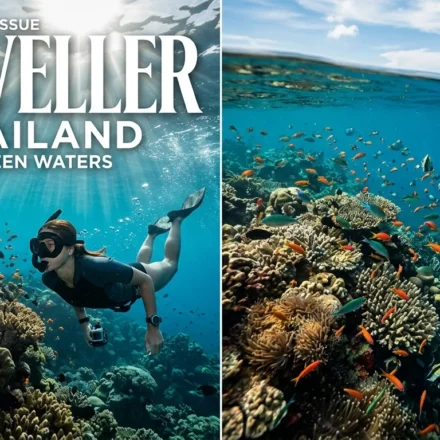




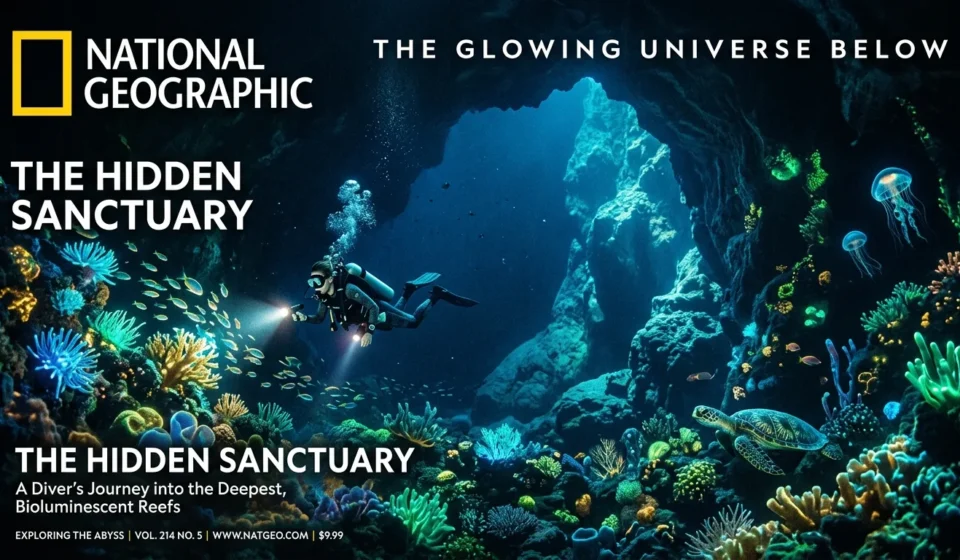

As a seasoned explorer who’s logged countless hours underwater, from serene coral gardens to thrilling wreck dives, I can tell you there’s a whole other world waiting beneath the surface. Scuba diving isn’t just a hobby; it’s a passport to an alien landscape, a chance to dance with marine life, and an adventure that will forever change your perspective. If you’re ready to dip your fins into the deep blue, you’ve come to the right place. Forget generic lists; this is your actionable guide to some of the planet’s most incredible diving destinations.
Table Of Content
Before we plunge in, let’s talk basics. Many of these spots require an Open Water Diver certification (the entry-level qualification), but some advanced sites might ask for an Advanced Open Water or even specific specialty certifications. Always check with dive operators!
Great Barrier Reef, Australia: The Icon
No list of best diving spots is complete without the Great Barrier Reef. This natural wonder, visible from space, is an unparalleled ecosystem that stretches over 2,300 kilometers. While it faces environmental challenges, responsible diving here is still an awe-inspiring experience.
- Why it’s a Top Spot: Mind-boggling biodiversity, vibrant coral formations, encounters with manta rays, reef sharks, turtles, and countless species of fish. It’s also home to the famous ‘Potato Cod Bommie’ in the Ribbon Reefs.
- Best Time to Visit: June to November (dry season). The water is clearer, visibility is excellent (20-30m+), and temperatures are comfortable (22-27°C).
- Realistic Daily Budget: Diving here isn’t cheap. Expect to pay AUD $200-500+ per day for liveaboard trips (multi-day boat trips where you eat, sleep, and dive). Day trips from Cairns or Port Douglas cost around AUD $150-250. Accommodation and food on land can range from AUD $100-200 for budget options.
- Recommended Stay Duration: For a comprehensive experience, a 3-7 day liveaboard is ideal. For day trips, 2-3 days of diving is a good start.
- Transportation: Fly into Cairns (CNS) or Port Douglas. From there, dive operators run boats to various reef sections.
- Hidden Gem/Tip: While the popular outer reefs are fantastic, consider a trip further north to the Ribbon Reefs or the Osprey Reef (advanced divers only) for more pristine conditions and pelagic encounters. Look for operators committed to sustainable tourism.
- Sustainable Diving: Always choose eco-certified operators. Maintain excellent buoyancy, avoid touching anything, and ensure your sunscreen is reef-safe.
Red Sea, Egypt: Wrecks and Reefs
The Red Sea offers incredible value and spectacular diving, particularly known for its dramatic drop-offs, vibrant soft corals, and world-class wreck diving. It’s a favorite for many seasoned divers, including myself.
- Why it’s a Top Spot: Famous for the SS Thistlegorm, a WWII cargo ship wreck teeming with history and marine life. Also boasts beautiful reefs like Ras Mohammed National Park, teeming with colorful fish and stunning gorgonian corals.
- Best Time to Visit: May to October offers warm water (26-30°C) and excellent visibility. February to April can be cooler (22-25°C) but often brings encounters with whale sharks and hammerheads.
- Realistic Daily Budget: Very competitive. A 7-day liveaboard can cost USD $100-250 per day, including all dives, food, and accommodation. Resort-based diving packages are similar. Budget accommodations in towns like Dahab can be as low as USD $20-40 per night.
- Recommended Stay Duration: A 5-7 day liveaboard is the best way to experience the diversity. If staying land-based, 4-5 days of diving is ample.
- Transportation: Fly into Sharm El Sheikh (SSH) or Hurghada (HRG). Many dive centers offer transfers. Local taxis and minibuses are cheap for getting around towns like Dahab.
- Hidden Gem/Tip: For a more laid-back, budget-friendly experience, head to Dahab. It’s famous for shore diving iconic sites like the Blue Hole and the Canyon. Stay at a family-run guesthouse like ‘Sinai Sun’ for around $30/night. Don’t miss a Bedouin dinner under the stars!
- Safety & Cultural Etiquette: Always dive with reputable centers. Be mindful of local customs; modest dress is appreciated outside of resorts.
Raja Ampat, Indonesia: The Epicenter of Biodiversity
If you’re looking for an off-the-beaten-path destination that truly delivers, Raja Ampat is it. Located in West Papua, this archipelago is considered the global epicenter of marine biodiversity. It’s truly a hidden gem, though getting here requires a bit more effort.
- Why it’s a Top Spot: Unrivaled marine life density – more species of fish, coral, and mollusks than anywhere else on Earth. Pristine reefs, majestic manta rays, wobbegong sharks, and pygmy seahorses.
- Best Time to Visit: October to April offers the calmest seas and best visibility. The ‘shoulder season’ (May-September) can still be good, but expect more rain and choppier waters.
- Realistic Daily Budget: Raja Ampat is expensive due to its remote location. Liveaboards typically range from USD $300-600+ per day. Homestays on local islands can be found for USD $50-100 per night, often including meals, but diving costs are separate (USD $50-70 per dive).
- Recommended Stay Duration: To truly appreciate it, 7-10 days is recommended, often on a liveaboard to cover more ground.
- Transportation: Fly to Sorong (SOQ) via Jakarta or Makassar. From Sorong, take a public ferry to Waisai (the capital of Raja Ampat) on Waigeo Island, then arrange boat transfers to your homestay or liveaboard.
- Hidden Gem/Tip: Stay in a local homestay on Arborek or Gam Island. It’s a fantastic way to experience local culture and support the community directly. For a stunning viewpoint, hike to the top of Pianemo (GPS: -0.569472, 130.222306) for panoramic views of the karst islands. Remember to pay your Marine Park Entry Fee (usually IDR 1,000,000 for foreigners, valid for one year).
- Sustainable Travel: Raja Ampat’s ecosystem is fragile. Choose eco-friendly operators, respect local communities, and minimize your waste.
Cozumel, Mexico: Drift Diving Paradise
For those who love effortless diving with incredible visibility, Cozumel is a dream. This Mexican island in the Caribbean is famous for its gentle drift dives and healthy reefs, making it perfect for all levels, including newer divers.
- Why it’s a Top Spot: Strong currents create exhilarating drift dives along vibrant walls like Palancar Reef and Santa Rosa Wall. Abundant marine life, including turtles, nurse sharks, moray eels, and diverse coral formations.
- Best Time to Visit: December to April is peak season with calm seas and excellent visibility (30m+), but also busier. May to November is warmer and less crowded, but it’s hurricane season (though direct hits are rare).
- Realistic Daily Budget: Mid-range. Expect to pay USD $80-150 per day for a 2-tank dive trip. Accommodation ranges from USD $50 for a budget hotel to $150+ for resorts. Food is affordable, especially at local eateries.
- Recommended Stay Duration: 4-6 days allows for plenty of diving and exploring the island.
- Transportation: Fly into Cancun (CUN), then take a bus or taxi to Playa del Carmen. From there, a 45-minute ferry ride takes you to Cozumel. The island is easily navigated by scooter or taxi.
- Hidden Gem/Tip: Beyond the famous reefs, consider a day trip to the mainland to explore the Yucatán’s unique cenotes (natural freshwater sinkholes). Diving in these ancient caves is an otherworldly experience. For local flavors, skip the main tourist strip and find a taco stand off the beaten path – ‘El Pescador’ is a favorite for fresh seafood tacos.
- Safety: Always listen to your dive master regarding currents. Stay hydrated, especially in the tropical heat.
Essential Diving Advice for Every Explorer
- Get Certified: Before you book, ensure you have the appropriate diving certification for your chosen sites. PADI and SSI are the most recognized agencies.
- Travel Insurance: This is non-negotiable for divers. Ensure your policy covers diving accidents and potential medical evacuations. DAN (Divers Alert Network) offers specialized insurance.
- Pack Smart: Besides your dive gear (if you own it), pack reef-safe sunscreen, a reusable water bottle, a good camera (GoPro is perfect), and quick-drying clothes.
- Sustainable Diving Practices: Be a responsible diver. Maintain excellent buoyancy to avoid damaging corals, never touch marine life, take nothing but photos, and leave nothing but bubbles.
The underwater world is a treasure trove of beauty and adventure. Whether you’re chasing manta rays in Raja Ampat or exploring historic wrecks in the Red Sea, these destinations offer experiences that will stay with you long after you’ve surfaced. So, grab your mask, fins, and sense of adventure – the ocean is calling!