Unlocking the Wild: Your Ultimate Guide to South America's Epic Treks
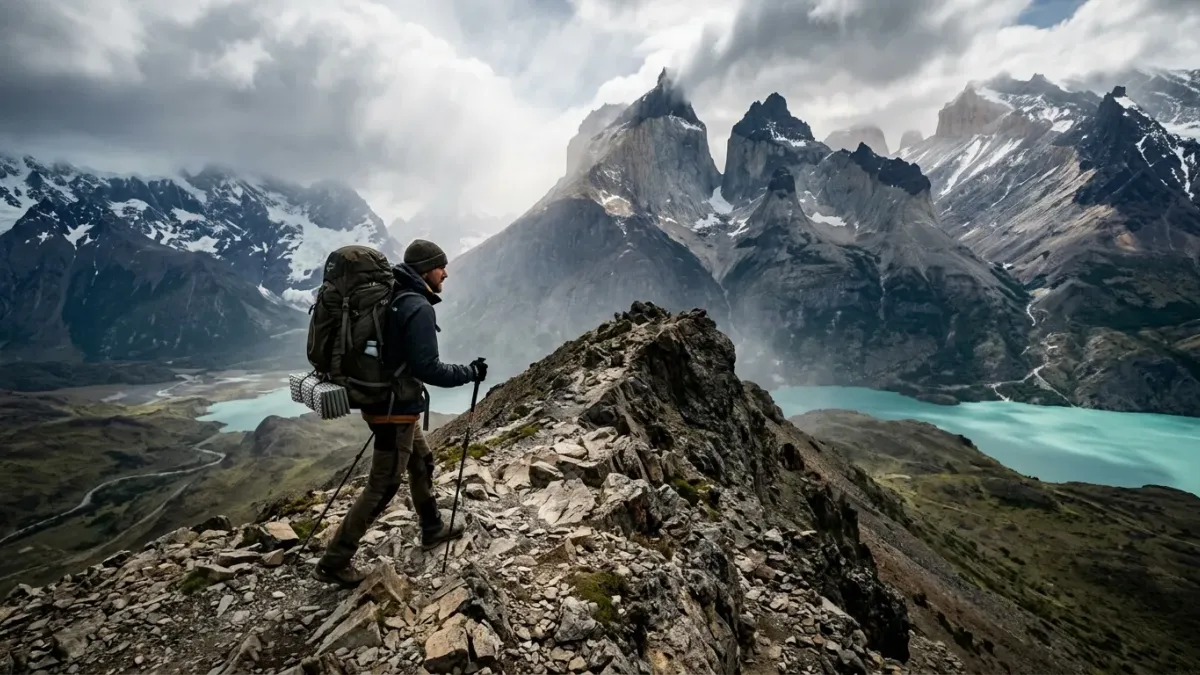
Imagine standing on a windswept Patagonian peak, gazing across jagged granite spires and shimmering glaciers. Or perhaps you're tracing ancient Inca footsteps high in the Peruvian Andes, the air thin and crisp, history palpable with every stride. South America isn't just a continent; it's a call to adventure, a hiker's paradise waiting to be explored. Forget those generic "top 10" lists; we’re diving deep into the trails that will genuinely test your spirit, reward your senses, and embed themselves in your memory.
For over 15 years, I've laced up my boots and sought out the continent's most challenging and rewarding paths, from well-trodden classics to remote hidden gems. This guide isn't about mere sightseeing; it's about experiencing South America's wilderness on foot, connecting with its raw beauty, and finding those moments of profound awe that only come from pushing your limits. Let's get you ready to conquer some of the world's most spectacular hiking and trekking trails.
Getting Ready for the Trail: Planning Your South American Adventure
Before you even think about packing your bags, a solid plan is your best friend. South America is vast, and its diverse climates mean "best time to visit" varies wildly depending on your chosen region. Understanding these nuances is crucial for a successful and enjoyable multi-day trek.
Timing is Everything: When to Hit the Trails
- Patagonia (Chile & Argentina): The prime season for Patagonia hikes is typically December to March (southern hemisphere summer). Expect long daylight hours, relatively warmer temperatures (though still expect wind and rain!), and busier trails. Shoulder season (October-November, April-May) offers fewer crowds, lower prices, but more unpredictable weather – a trade-off I often prefer.
- Peruvian & Ecuadorian Andes: The dry season, running from May to September, is ideal for Andes treks like the Inca Trail or Cordillera Huayhuash. You'll get clear skies and less rain, but also colder nights, especially at high altitudes.
- Colombia & Northern Andes: Generally, the drier months of December-March and July-August are best, though microclimates mean you should always check specific regions.
Honestly, I’ve done treks in the shoulder season – that sweet spot just before or after peak season – and found the experience more authentic. Fewer people mean more solitude, and a bit of unpredictable weather just adds to the adventure, don't you think? Just pack smart!
Budgeting for the Backcountry: Realistic Costs
Trekking in South America can range from dirt cheap to surprisingly expensive, depending on your style. For a multi-day organized trek with a guide, porters, and all food included (like the Inca Trail), expect to pay $600 - $1500+ USD per person for 4-7 days. This typically covers permits, gear rental, and transport.
For self-guided budget trekking (like the W Trek in Torres del Paine or some routes in El Chaltén), your costs will be lower: $40 - $80 USD per day for campsite fees, food, and local transport. This excludes international flights and major gear purchases. Remember to factor in a buffer for unexpected costs, like that emergency bus ride or a celebratory post-trek meal. Based on my experience, bringing a water filter and cooking your own meals can drastically cut food costs.
Essential Gear & Packing Tips
Your gear is your lifeline. Don't skimp on essentials. A comfortable, well-fitting backpack (50-70L for multi-day treks), broken-in hiking boots, layered clothing (including waterproof outer shells!), a good sleeping bag (rated for 0°C or lower for high altitudes), and a reliable headlamp are non-negotiables. Always pack a first-aid kit, high-energy snacks, and a portable charger. I once forgot my headlamp on a trek in Bolivia, and navigating camp in the dark was... challenging, to say the least!
Iconic Trails & Hidden Gems: Where to Hike
Alright, let's get to the good stuff – the trails themselves! South America offers an unparalleled variety of landscapes for adventure travel. Here are some of the best South America trails that truly stand out.
Patagonia's Glacial Grandeur: Chile & Argentina
- Torres del Paine "W" Trek (Chile): This iconic Patagonia hike is a must-do. You'll witness the famed granite towers, Grey Glacier, and the French Valley.
- Duration: 4-5 days.
- Best Time: December - March (book campsites/refugios 6+ months in advance!). Shoulder season (Nov, Apr) is less crowded.
- Budget: ~$100-200 USD/day (campsites, food, park entrance, transport from Puerto Natales). Higher for refugios.
- Transport: Buses from Puerto Natales to the park entrance (Laguna Amarga or Pudeto).
- Accommodation Example: Camping at Camping Francés (approx. $30-40/night for a tent spot) offers stunning lake views.
- Fitz Roy & Cerro Torre Treks (El Chaltén, Argentina): Often called Argentina's trekking capital, El Chaltén offers an array of day hikes and multi-day options, many free of charge.
- Duration: 1-5 days (mix and match trails).
- Best Time: December - March.
- Budget: ~$50-100 USD/day (hostel, food, local transport if needed). Camping is free at designated sites.
- Transport: Buses from El Calafate to El Chaltén.
- Hidden Gem Tip: Beyond the popular Laguna de los Tres and Laguna Torre, consider the Huemul Circuit for a more challenging 4-day trek involving a zipline crossing and stunning ice field views (requires guide and experience). GPS: Lat -49.3370, Lon -72.9372 (start of circuit from El Chaltén).
Andean Heights & Ancient Paths: Peru & Ecuador
- Inca Trail (Peru): The legendary path to Machu Picchu. Permits sell out months in advance!
- Duration: 4 days/3 nights.
- Best Time: May - September (dry season). Closed in February for maintenance.
- Budget: ~$700-1500 USD (guided tour required, includes permits, food, porters).
- Transport: Tour includes bus from Cusco to trailhead, train/bus back.
- Accommodation Example: Tented camps along the trail, provided by your tour operator.
- Salkantay Trek (Peru): A fantastic, less regulated, and often more challenging alternative to the Inca Trail, also leading to Machu Picchu.
- Duration: 4-5 days.
- Best Time: May - September.
- Budget: ~$300-600 USD (guided, or ~$150-250 self-guided if you carry all gear).
- Transport: Buses from Cusco to Mollepata (trailhead).
- Hidden Gem Tip: For a truly off-the-beaten-path experience, consider the Ausangate Trek (Peru). This 5-7 day circuit around Mount Ausangate offers stunning glacial lakes, hot springs, and Rainbow Mountain views, with far fewer crowds than the Inca Trail. It's a high-altitude challenge, so acclimatization is key! Start point near Tinke, approximately 3 hours southeast of Cusco.
- Quilotoa Loop (Ecuador): A self-guided, multi-day village-to-village trek featuring the incredible turquoise Quilotoa crater lake.
- Duration: 2-4 days.
- Best Time: June - September.
- Budget: ~$25-40 USD/day (basic guesthouses with meals, local buses).
- Transport: Buses from Latacunga to Sigchos or Isinlivi (common start points).
- Accommodation Example: Hostal Llullu Llama in Isinlivi (approx. $30/night, including dinner/breakfast) is a fantastic base.
Navigating Safely & Responsibly on the Trails
Adventure is fantastic, but not at the expense of safety or the environment. As a seasoned adventure explorer, I can't stress enough the importance of being prepared and respectful.
Safety First: High-Altitude & Trail Hazards
Many of South America's best treks are at high altitudes (above 2,500m/8,200ft). Altitude sickness (Acute Mountain Sickness - AMS) is a real concern. Acclimatize by spending a few days at elevation before starting your trek. Drink plenty of water, avoid alcohol, and don't push yourself if you feel unwell. For example, imagine this situation: you're on day two of the Cordillera Huayhuash trek, feeling a splitting headache and nausea. What would you do? The smart move is to descend if symptoms worsen, not push on. Always carry a small supply of coca leaves or soroche pills, and consider Diamox if prescribed by your doctor.
Tell someone your itinerary, even if you're traveling solo. Consider a satellite messenger for remote areas. Travel insurance that covers high-altitude trekking and emergency evacuation is non-negotiable. Seriously, get it. I’ve seen too many people in sticky situations without it. Hiring a reputable local guide for challenging or remote treks isn't just about navigation; it's about safety and supporting local communities.
Cultural Etiquette & Sustainable Trekking
When you're out on the trails, you're often passing through or staying near indigenous communities. Practice cultural etiquette: always ask before taking photos, learn a few basic phrases in Spanish or local languages (like Quechua), and be respectful of local customs and traditions. Buy local crafts, eat at family-run eateries, and support small guesthouses – this is the essence of slow travel, enriching both your trip and the local economy.
Sustainable travel practices are paramount. Adhere to Leave No Trace principles: pack out everything you pack in (including all trash, food scraps, and toilet paper!), stay on marked trails, and minimize your impact on fragile ecosystems. To be fair, most of these trails are protected, and it’s up to us to keep them that way for future adventurers. You’re a guest in these incredible landscapes, so act like it!
Your South American Trek Awaits
South America offers a kaleidoscope of hiking and trekking experiences that will challenge and transform you. From the dramatic peaks of Patagonia to the ancient pathways of the Andes, these trails are more than just walks; they are journeys into the heart of wilderness and culture. Whether you dream of conquering a renowned circuit or discovering a hidden gem, the continent is ready to reveal its wonders.
So, what are you waiting for? Start researching those permits, booking those flights, and training those legs. The mountains are calling, and with this guide from Destination Wanderer, you're well-equipped to answer that call safely, responsibly, and with an open heart. Your next unforgettable adventure begins now!