Ready to Conquer the Inca Trail? Your Adventure Awaits!
There are countless ways to reach the awe-inspiring citadel of Machu Picchu, but for many, the journey itself is as significant as the destination. We're talking about the legendary Inca Trail – a 4-day, 3-night trek through mist-shrouded cloud forests, breathtaking mountain passes, and ancient Incan ruins, culminating in that iconic sunrise view from the Sun Gate. It’s more than just a hike; it’s a pilgrimage, a physical and mental challenge, and an unforgettable immersion in history and nature. But how do you prepare for something this epic? Let me guide you through it, just like I would a friend planning their first big Andean adventure.
Forget those generic "top 10 lists." This guide is packed with actionable advice, hard-earned wisdom from my own treks, and all the nitty-gritty details you need to plan, prepare for, and ultimately conquer the Inca Trail. We’ll cover everything from booking your spot months in advance to managing altitude, what to pack, and how to make your journey sustainable. So, lace up your imaginary boots; let's dive in!
Is the Inca Trail Right For You? Understanding the Challenge & What to Expect
First things first: while the Inca Trail isn't Everest, it's certainly no walk in the park. This isn't just about physical fitness; it's about mental fortitude, too. The standard trek covers approximately 43 kilometers (26 miles) over four days, climbing to an impressive altitude of 4,215 meters (13,828 feet) at Warmiwañusqa, better known as Dead Woman's Pass. You'll be walking for several hours each day, often uphill, sometimes in variable weather conditions.
The biggest challenge for most trekkers isn't just the distance, but the altitude. Altitude sickness, or soroche, can affect anyone, regardless of fitness level. Symptoms range from headaches and nausea to dizziness and fatigue. To minimize the risk, it's absolutely crucial to spend at least 2-3 days acclimatizing in Cusco (or a similar altitude city like Ollantaytambo) before starting your trek. Hydrate constantly, avoid alcohol, and take it easy during these pre-trek days. Honestly, don't rush this part; your body will thank you later.
So, when's the best time to embark on this adventure? The dry season, from May to September, offers the clearest skies and best trail conditions, making it the most popular time to visit. However, this also means more crowds and higher demand for permits. If you prefer fewer trekkers and don't mind a slight risk of rain, consider the shoulder season, which includes April and October. Just remember, the trail is closed every February for maintenance, so plan accordingly to avoid disappointment.
Planning Your Inca Trail Adventure: Permits, Preparation, and Packing
This isn't a spontaneous trip; the Inca Trail requires serious advance planning. Only 500 people (including porters and guides) are allowed on the trail each day, and permits sell out months in advance, especially for peak season. You absolutely must book through an authorized tour operator; independent trekking is not permitted. I recommend booking at least 6-8 months ahead, or even a year for specific dates or larger groups.
Choosing the right tour operator is paramount. Research companies that prioritize ethical treatment of their porters, sustainable practices, and excellent safety records. Read reviews, compare itineraries, and don't be afraid to ask detailed questions about group size, food, equipment, and emergency procedures. A good operator is worth every penny.
Let's talk budget. The Inca Trail is not a cheap trek, primarily due to the permit cost and the services of guides, porters, and cooks. Expect to pay anywhere from $700 to $1500+ per person for a 4-day, 3-night trek. This typically includes your permit, guide, porters (who carry tents, food, and your main duffel bag), all meals on the trail, and often the train ticket back to Ollantaytambo or Cusco. Remember, this doesn't usually cover your international flights, hotels in Cusco, personal hiking gear, or tips for your incredible support team – which are a significant and well-deserved expense.
What to Pack: Essentials for the Trail
Packing smart is crucial. Your tour operator will provide a duffel bag for your gear, which porters will carry, but there's a strict weight limit (usually 5-7 kg or 11-15 lbs). You'll carry a smaller daypack with your daily essentials. Here’s a quick list of must-haves:
- Layers: Temperatures fluctuate wildly. Think wicking base layers, fleece or down for warmth, and a waterproof/windproof outer shell.
- Rain Gear: A good quality rain jacket and waterproof pants are non-negotiable.
- Footwear: Broken-in hiking boots with ankle support are essential. Bring comfortable camp shoes or sandals for the evenings.
- Headlamp: For navigating camp at night and early morning starts.
- Water Bottle/Hydration Bladder: You'll need to carry at least 2 liters of water.
- Sun Protection: Hat, sunglasses, and high-SPF sunscreen. The Andean sun is intense at altitude.
- Personal Medications & First Aid: Any prescriptions, pain relievers, blister treatment.
- Toiletries: Small towel, biodegradable soap, hand sanitizer.
- Sleeping Bag: Many operators offer rentals, but check the temperature rating (0°C / 32°F is a good minimum).
- Hiking Poles: Incredibly helpful for ascents and descents.
- Original Passport & Copies: Absolutely vital for permit checks.
On the Trail: Daily Life, Acclimatization, and Conquering Dead Woman's Pass
Life on the Inca Trail settles into a rhythm. Expect early wake-up calls with coca tea delivered to your tent, hearty breakfasts, and then hitting the trail. Your guide will set a comfortable pace – often called "piston pace" – a slow, steady rhythm that conserves energy and helps with acclimatization. Trust me, resist the urge to power ahead; this is a marathon, not a sprint.
The days are filled with stunning scenery, ancient stonework, and the camaraderie of your group. You'll stop for lunch prepared by the cooks, often in beautiful settings, and arrive at camp in the late afternoon. Evenings are for hot meals, sharing stories, and stargazing under the incredibly clear Andean sky before an early night. The food, by the way, is surprisingly delicious and plentiful, fueling you for the arduous days.
The most infamous part of the trek is Day 2: the climb to Dead Woman's Pass (Warmiwañusqa). It's a relentless ascent, but the feeling of reaching the summit, catching your breath, and gazing out at the panorama of jagged peaks and valleys is simply unparalleled. I'll never forget the moment I crested that pass for the first time. My lungs burned, my legs ached, and the air was thin, but standing there, looking out over the endless Andean peaks, I felt an almost primal connection to the ancient travelers who walked these very stones. It was tough, yes, but the sheer majesty of that view made every arduous step worth it.
Beyond Dead Woman's Pass, you'll encounter more incredible sites like Runcuracay, Sayacmarca, and the stunning terraces of Wiñay Wayna – often called "Little Machu Picchu" – which many trekkers unfortunately rush past. Take your time to explore these lesser-known gems; they offer a profound glimpse into Inca engineering and spirituality, often without the crowds of the main attraction. To be fair, every step on this trail is part of the experience, not just the final destination.
Beyond the Path: Cultural Etiquette, Safety, and Sustainable Trekking
As adventurers, we have a responsibility to travel respectfully and sustainably. The Inca Trail passes through areas inhabited by local communities and is a sacred historical site. Always be mindful of your impact. When interacting with locals, a friendly "Hola" and a smile go a long way. Supporting local businesses in Cusco or Aguas Calientes (the town near Machu Picchu) directly benefits the community.
One of the most important aspects of cultural etiquette on the Inca Trail is showing respect and appreciation for your porters. These incredible individuals carry the bulk of the gear, making your trek possible. They work tirelessly and often come from humble backgrounds. Tipping your porters and guides fairly is not just customary, it's essential. Most operators will provide guidelines, but generally, porters receive about 60-80 soles ($15-20 USD) per trekker, and guides/cooks around 80-100 soles ($20-25 USD) per trekker.
Safety on the trail is paramount. Always stay with your group and follow your guide's instructions. They are experienced and know the terrain and potential hazards. Immediately report any symptoms of altitude sickness or other health concerns to your guide. They are trained to assess the situation and provide assistance. Keep your valuables secure, especially in camps, though most groups are incredibly supportive and trustworthy.
Lastly, let's talk sustainable travel. The Inca Trail is a fragile ecosystem and a precious heritage site. Embrace the "leave no trace" principle: pack out everything you pack in, including all trash (even organic waste like fruit peels). Stay on marked trails to prevent erosion and disturbance to wildlife. Do not touch or remove any artifacts from archaeological sites. Choosing a tour operator that demonstrates strong ethical practices, particularly regarding porter welfare and waste management, is perhaps the biggest sustainable choice you can make. It ensures that this incredible experience remains available for future generations of wanderers.
Reaching Machu Picchu and Beyond: What Happens Next?
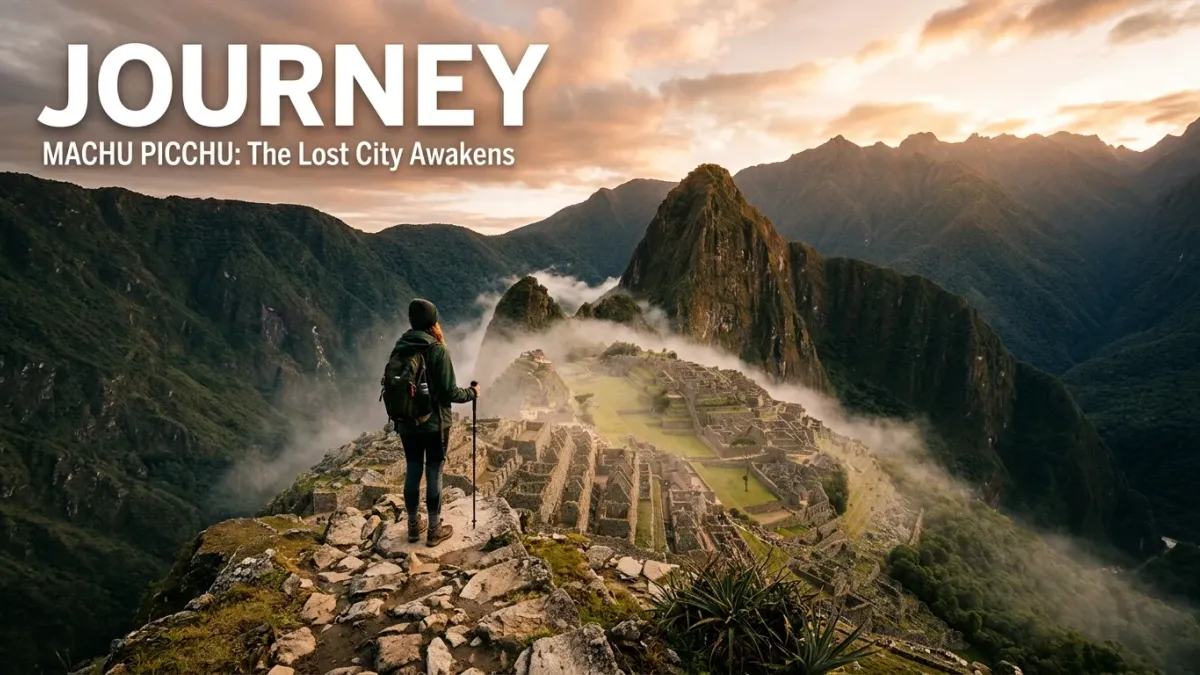
The final day of the trek is an early one, often starting before dawn. The goal is to reach the Sun Gate (Inti Punku) for sunrise, offering your first panoramic view of Machu Picchu bathed in golden light. This moment, after days of effort, is truly magical and often brings tears to trekkers' eyes. From there, it's a short descent directly into the heart of Machu Picchu itself.
Upon arrival, your guide will lead you on a comprehensive tour of the citadel, explaining its history, architecture, and significance. Afterwards, you'll usually have some free time to explore on your own, soak it all in, and maybe even find a quiet spot to reflect on your incredible journey. Take your photos, but also take a moment to simply be there. What would you do in a situation like this? My advice: put the camera down for a few minutes and just let the wonder wash over you.
After your exploration, you'll take a bus down to Aguas Calientes, the bustling town at the base of Machu Picchu. From there, you'll board a train to Ollantaytambo or Poroy, and then a bus or taxi will take you back to Cusco. While the trek is over, your Peruvian adventure doesn't have to be. Spend a few more days exploring Cusco's vibrant streets, visiting the Sacred Valley, or simply indulging in some well-deserved rest and delicious Peruvian food. The feeling of accomplishment from hiking the Inca Trail stays with you long after the dust settles from your boots.
Hiking the Inca Trail is more than just a trip; it's a transformative experience that challenges you, rewards you, and connects you to an ancient world. With careful planning, respectful travel practices, and a spirit of adventure, you'll not only reach Machu Picchu but also create memories that will last a lifetime. Happy trekking, fellow wanderers!