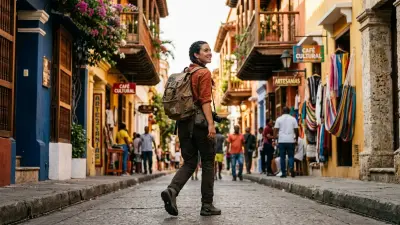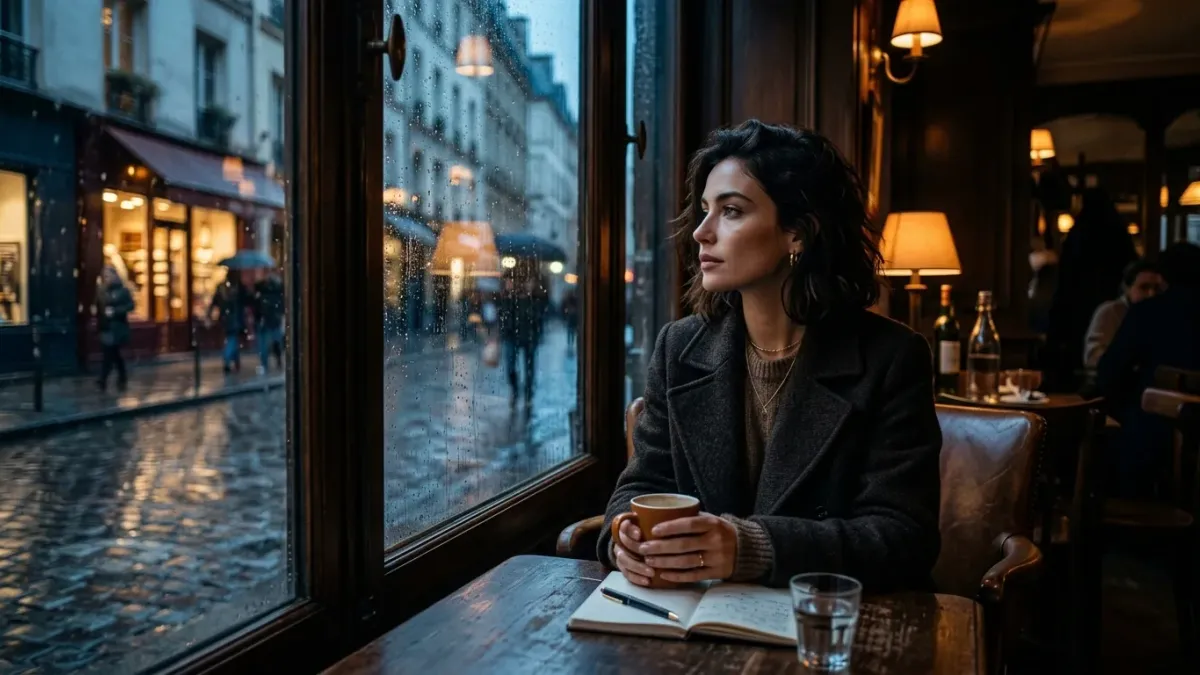
Embrace the Quiet Adventure: Solo Travel for Introverts
Ever dreamt of seeing the world on your own terms, but a little voice whispers, "But what about the Social stuff?" If you're an introvert, the idea of solo travel can be both incredibly appealing and slightly daunting. The freedom, the introspection, the chance to truly follow your own rhythm—it all sounds perfect. But then come the worries: how do you meet people without feeling drained? How do you avoid awkward silences? How do you truly feel comfortable and connected in a new place when your energy battery depletes faster in Social settings? Trust me, I get it. After over 15 years backpacking and uncovering hidden gems, I’ve learned that solo travel isn't just possible for introverts; it can be incredibly enriching and uniquely suited to our thoughtful nature. It's about crafting an experience that honors who you are.
This isn't about transforming you into an extrovert; it's about giving you the tools to thrive as your authentic self. We’ll explore how to design trips that nourish your soul, make genuine connections without overextending yourself, and find those peaceful moments of discovery that truly make a journey unforgettable. Forget the pressure to be constantly "on"; let’s talk about how to make solo travel your ultimate comfort zone.
Crafting Your Introvert-Friendly Itinerary
The secret to successful solo travel as an introvert lies in intentional planning. It’s about building in space for reflection and recharging, ensuring you have the energy to enjoy the moments of connection when they arise. This means being mindful of your pace and destination choices from the get-go.
Understanding Your Energy Needs & Pace
First things first: acknowledge your energy limits. As an introvert, you gain energy from solitude and reflection, and you expend it in social situations. This isn't a weakness; it's a superpower when understood. When planning your trip, consider slow travel. This isn't just a trend; it's a philosophy. It means staying longer in fewer places, allowing you to truly immerse yourself, unpack your bag, and feel less rushed. Instead of hitting five cities in five days, maybe choose two or three for a two-week trip. This approach gives you ample time for quiet mornings, leisurely explorations, and evenings spent journaling or reading, rather than constant high-intensity sightseeing.
When it comes to the best time to visit, I always lean towards the shoulder season—the months just before or after peak season (e.g., April-May or September-October for many European destinations). The weather is often pleasant, prices are lower, and crucially, there are fewer crowds. Fewer crowds mean less sensory overload and more opportunities for peaceful exploration and genuine, unhurried interactions. Honestly, battling throngs of tourists in July can drain even the most robust extrovert, let alone us quiet types.
Choosing Destinations That Nurture
Some places naturally lend themselves to introspective exploration more than others. Think about destinations known for nature, culture, or tranquility. Mountainous regions, coastal towns, historical cities with charming quiet corners, or countries known for a relaxed pace are often ideal. For example, I’ve found that regions like Slovenia's Julian Alps, the serene temples of Kyoto, Japan, or the quiet villages of Portugal offer incredible depth without overwhelming social pressure. Look for cities with excellent public transport or walkable areas, minimizing the stress of navigating. A realistic daily budget for a comfortable introvert experience, including a private room in a guesthouse, good local food, and transport, might range from $50-$100 USD in Southeast Asia or Eastern Europe, to $100-$180 USD in Western Europe or Japan. These budgets allow for a bit more comfort and the flexibility to opt for quieter dining experiences or private rooms when you need that essential recharge.
Crafting Connections, Your Way
Just because you’re an introvert doesn’t mean you don’t want to connect! It just means you prefer deeper, more meaningful interactions over superficial small talk. The key is finding low-pressure environments where connections can happen organically.
Low-Pressure Social Opportunities
One of the best ways to meet like-minded people without feeling overwhelmed is through shared activities. Think about taking a cooking class, joining a walking tour (smaller groups are better), or volunteering for a day. These activities provide a built-in common interest and a natural conversation starter, reducing the pressure to initiate small talk from scratch. For instance, imagine this situation: you join a pasta-making class in Rome. You’re focused on rolling dough, but you’re also sharing laughs and tips with the person next to you. The conversation flows naturally from the task at hand, making it much easier to connect than simply approaching someone at a bar. Many hostels offer private rooms (look for "private ensuite" options), which give you your solitude while still providing communal areas for optional interaction. Accommodation examples could be a family-run guesthouse like Dar Chefchaouen in Morocco, where a private room might cost $35/night and you can chat with the owners over breakfast, or a boutique hostel in Lisbon like The Independente Hostel & Suites, which has private rooms starting around $60/night but also a lively bar downstairs if you feel like dipping your toe in.
Leveraging Technology Thoughtfully
While we often think of travel as an escape from screens, technology can be a powerful tool for introverts seeking connection. Use apps like Meetup to find local interest groups (e.g., a photography walk or a book club meeting). Language exchange apps like Tandem or HelloTalk can connect you with locals eager to practice English, offering a one-on-one, low-stakes way to learn about the culture and potentially make a friend. Online forums or Facebook groups for solo travelers in your destination can also be a great resource for asking questions and finding informal meetups. The beauty here is that you can engage on your own terms, from the comfort of your temporary home, before deciding to meet in person.
Practical Comforts for the Quiet Explorer
Beyond social strategies, ensuring your physical comfort and sense of security is paramount for an introvert abroad. It frees up your mental energy for exploration and enjoyment.
Accommodation Strategies for Solitude
When choosing where to rest your head, prioritize peace and quiet. While hostels are often touted for solo travelers, opt for a private room if your budget allows. Many hostels now offer excellent private rooms that give you the best of both worlds: your own space for recharging, plus access to communal kitchens or lounges if you feel like a brief, low-pressure interaction. Alternatively, guesthouses, B&Bs, and Airbnb rentals often provide a more intimate, home-like atmosphere. They can be wonderful for striking up conversations with hosts who are often treasure troves of local knowledge, without the constant buzz of a large hostel. Always read reviews to check for noise levels and privacy. For example, finding a quiet guesthouse slightly outside the city center, perhaps a 15-minute walk or short local bus ride, can make a huge difference to your comfort levels.
Navigating Local Transport & Dining
Public transportation—local buses, trains, and metros—are an introvert's dream. They offer a fantastic way to observe local life without the pressure of direct interaction. Learn a few key phrases in the local language (e.g., "hello," "thank you," "ticket to...") and don't be afraid to ask for help if you need it. A monthly public transport pass, if you're staying longer, can save money and reduce the stress of daily ticketing. For dining, embrace eating alone! It’s not awkward; it’s an opportunity for quiet observation and savoring your meal. Choose cafes with window seats, restaurants with counter seating, or find a park bench with a view for a picnic. Don't underestimate the joy of a good book and a delicious meal. Seek out local markets – they're sensory feasts and perfect for grabbing snacks or ingredients for a simple meal back at your accommodation, offering a glimpse into local life without demanding extensive interaction.
Safety, Sustainability, and Self-Care on the Road
As a seasoned wanderer, I believe that truly great travel encompasses not just personal enjoyment but also responsible practices and a deep respect for yourself and the places you visit.
Staying Safe & Sound
For any solo traveler, but especially introverts who might prefer quieter areas, safety practices are non-negotiable. Always inform someone back home of your itinerary. Trust your gut instinct; if a situation or place feels off, remove yourself. Invest in a good anti-theft bag. Keep emergency numbers handy. While you might seek solitude, avoid walking alone in poorly lit or deserted areas at night. Consider a personal safety alarm. Remember, being aware of your surroundings and having an exit strategy is not paranoia; it's smart travel. Based on my experience, a little preparation goes a long way in ensuring peace of mind.
Traveling Responsibly: Cultural Etiquette & Sustainable Practices
As introverts, we often excel at observation and thoughtfulness, which makes us excellent candidates for responsible travel. Before you arrive, research local cultural etiquette. A simple gesture like dressing modestly in religious sites, learning basic greetings, or understanding local customs around personal space can prevent misunderstandings and show respect. For example, in many Asian cultures, it’s considered rude to point with your finger or touch someone’s head. When it comes to sustainable travel, aim to minimize your environmental footprint. Carry a reusable water bottle, refuse single-use plastics, support local businesses directly (not large international chains), and respect natural environments by staying on marked trails and not littering. These small actions contribute to preserving the beauty and authenticity of the places you cherish.
Prioritizing Self-Care and Flexibility
Finally, and perhaps most importantly for introverts, remember to prioritize self-care. This is your trip, not a performance. If you wake up feeling drained, it’s perfectly okay to cancel plans and spend the day reading in a cafe, having a leisurely walk, or simply resting. Don’t feel pressured to constantly be "doing" something. Build in downtime intentionally. Your mental well-being is paramount. Being flexible with your plans, allowing for spontaneous changes based on your energy levels, is a huge part of successful solo travel for introverts. To be fair, sometimes the most memorable moments happen when you deviate from the itinerary and simply follow your intuition.
Your Solo Adventure Awaits
Navigating solo travel as an introvert isn't about changing who you are; it's about harnessing your unique strengths. It’s about creating a journey rich with quiet discoveries, genuine connections, and profound personal growth, all on your own terms. You have the power to design an adventure that respects your need for solitude while still opening doors to incredible experiences. So, take these tips, do your research, and start planning that incredible journey. The world is vast and full of hidden corners waiting for your thoughtful exploration. Go forth, connect authentically, and thrive in your solo comfort zone. What quiet corner of the world will you explore first?