Catch Your First Wave or Conquer the Barrel: Your Ultimate Surf Adventure Awaits
Ever dreamt of gliding across the water, feeling the ocean's raw power beneath your feet? Surfing isn't just a sport; it's a way of life, a deep connection to nature, and an incredible excuse to explore some of the planet's most beautiful coastlines. Whether you’re a complete novice who can’t tell a longboard from a shortboard, or a seasoned charger hunting for the next big swell (that's the energy that generates waves, by the way), there’s a perfect wave out there waiting for you.
As someone who’s spent over a decade chasing waves from Bali to Baja, I can tell you that finding the right spot for your skill level makes all the difference. You don't want to be paddling out into giant overhead waves on your first day, nor do you want to be stuck on ankle-biters when you're ready for some serious action. This guide is designed to help you navigate the world's best surf destinations, offering practical advice to ensure your trip is epic, safe, and truly unforgettable.
Beginner's Paradise: Gentle Waves and Good Vibes
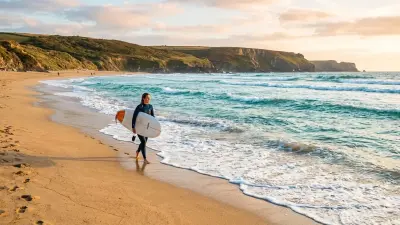
If you're new to surfing, the key is finding consistent, smaller waves that break gently over sand or reef, along with good surf schools and a welcoming atmosphere. The shoulder season (the periods just before and after peak season) is often ideal for beginners, offering fewer crowds and generally more manageable conditions.
Portugal: European Surf Mecca for All Levels
Portugal's vast coastline is an absolute gem for surfers, particularly for those just starting out. The country offers a fantastic mix of cultural immersion and consistent, manageable waves.
- **best time to visit:** Spring (April-June) and Autumn (September-November) offer warm weather, fewer crowds, and consistent, medium-sized swells perfect for learning. Winters can bring bigger waves, better suited for intermediates.
- **Realistic Daily Budget:** Expect €40-€70 ($45-$80 USD) for basic accommodation (hostels, budget guesthouses), local food, and a surf lesson or board rental.
- **Recommended Stay Duration:** 1-2 weeks to really get comfortable on the board and explore.
- **Transportation:** Renting a car offers the most flexibility, but local buses connect major towns. Prices vary, but a day's rental can be €25-€40 ($28-$45 USD).
- **Hidden Gem/Spot:** While Ericeira is famous, head slightly south to Foz do Lizandro. It's a beach break that often has smaller, more forgiving waves. For accommodation, try a surf camp like Surf House Ericeira which offers packages including lessons and stays for around €60/night ($67 USD) in the shoulder season.
- **Safety/Etiquette:** Always respect local surfers and their right of way. Portugal is very safe, but common sense applies – watch your belongings on the beach.
Costa Rica: Pura Vida on the Pacific
Costa Rica is synonymous with 'Pura Vida' and incredible natural beauty, making it a dream destination for a surf-centric adventure. The Pacific coast, in particular, boasts warm waters and a plethora of beginner-friendly beaches.
- **best time to visit:** The dry season (December-April) offers sunny days and consistent waves, though it's peak tourist season. The green season (May-November) can have bigger swells but also more rain. For beginners, December-April is often easiest.
- **Realistic Daily Budget:** $50-$90 USD, covering a basic guesthouse like Blue Dream Hostel in Tamarindo ($25-$40/night), local meals (casados are your friend!), and board rental ($15-$20/day).
- **Recommended Stay Duration:** At least 10 days to Two Weeks to truly unwind and improve your skills.
- **Transportation:** Shared shuttles (e.g., Interbus, Caribe Shuttle) are popular and efficient, costing $40-$60 for longer routes. Local buses are cheaper but slower.
- **Hidden Gem/Spot:** While Tamarindo is popular, check out Playa Avellanas, just south. It's less crowded and has a range of breaks, including a beginner-friendly river mouth. Imagine this situation: you've just nailed your first proper ride, the sun is setting, and you're celebrating with a fresh ceviche at a rustic beachside 'soda' (local restaurant) – that's the Avellanas vibe.
- **Safety/Etiquette:** Be aware of strong currents in some areas. Always swim/surf near others. Locals are friendly, but learning a few Spanish phrases goes a long way.
Morocco: A Taste of African Point Breaks
Morocco offers a unique blend of vibrant culture, delicious food, and consistent right-hand point breaks. Taghazout and the surrounding areas are particularly well-suited for surfers of all levels, especially beginners during the warmer months.
- **Best Time to Visit:** Autumn (September-November) and Spring (March-May) provide pleasant weather and manageable swells. Winters (December-February) bring bigger waves, often for more advanced surfers.
- **Realistic Daily Budget:** An incredibly affordable $30-$60 USD. You can find basic surf hostels for $15-$25/night, and local tagines are just $3-$7.
- **Recommended Stay Duration:** 1 week to 10 days to soak up the atmosphere and get plenty of water time.
- **Transportation:** The closest airport is Agadir (AGA). From there, a grand taxi (shared taxi) to Taghazout is about 200 MAD ($20 USD). Once there, most surf spots are walkable or a short taxi ride away.
- **Hidden Gem/Spot:** While Panorama Point and Banana Point are popular, check out Crocro Beach just north of Taghazout for a more mellow, less crowded experience, especially for longboarding. I once stayed at the Surf Maroc Taghazout Camp (around $40/night for a dorm, including breakfast) and loved their daily surf lessons and comfortable vibe.
- **Safety/Etiquette:** Dress modestly when not on the beach, especially in towns. Haggle respectfully in markets. Be aware of currents.
For the Adrenaline Junkies: Chasing the Perfect Swell
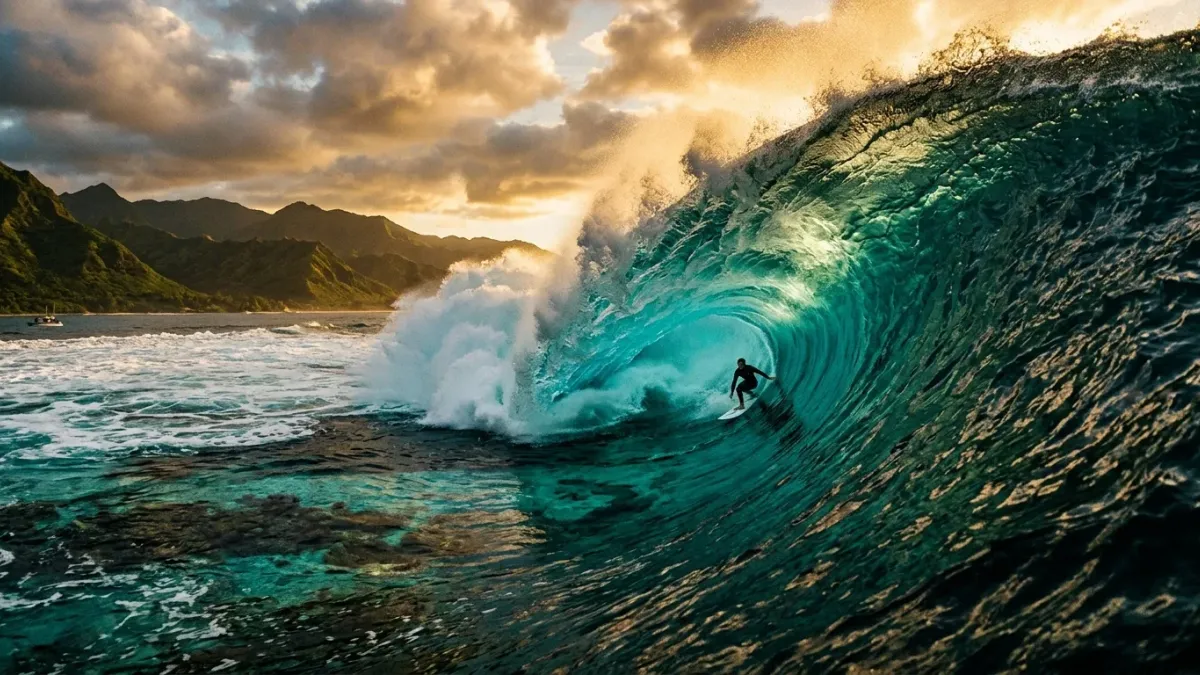
Alright, experienced riders, this section is for you. We’re talking about powerful waves, challenging reef breaks, and destinations that will test your skill and courage. These spots often require more advanced paddling fitness, knowledge of wave dynamics, and a healthy respect for the ocean.
Indonesia: The Mecca of World-Class Waves
Indonesia, particularly the islands of Bali, Lombok, and the Mentawais, is a pilgrimage site for serious surfers. From perfect barrels to long, peeling reef breaks, it has it all.
- **Best Time to Visit:** Dry season (April-October) for consistent, powerful south swells. This is when the famous breaks truly come alive.
- **Realistic Daily Budget:** Bali and Lombok can be done for $40-$80 USD (guesthouse $20-$40, food $10-$20, scooter rental $5/day). A Mentawai boat trip, however, will be significantly more, often $200-$300+ per day.
- **Recommended Stay Duration:** 2 weeks to a month to explore different breaks and truly get dialed in.
- **Transportation:** Scooters are king for getting around Bali/Lombok. For the Mentawais, you'll need to book a surf charter boat from Padang.
- **Hidden Gem/Spot:** While Bali's Uluwatu and Padang Padang are iconic, consider heading to West Sumba for an off-the-beaten-path experience. The wave at Nihi Sumba (privately accessed, but there are other nearby breaks like Weekuri Lagoon, GPS: -9.8252, 119.2272) offers world-class lefts. Just be prepared for a more remote adventure. For accommodation in Bali, I often gravitate towards Munduk Moding Plantation Nature Resort & Spa in the cooler north when I need a break from the heat, but for surf, a simple guesthouse in Canggu for $30/night is perfect.
- **Safety/Etiquette:** Reef breaks can be unforgiving; wear reef booties. Respect local customs and always give priority to those on the peak. What would you do if you accidentally dropped in on a local? A sincere apology goes a long way.
Hawaii: Birthplace of Surfing, Home of Legends
No list of surf destinations is complete without Hawaii. The spiritual home of surfing, its powerful waves are legendary, attracting the world’s best.
- **Best Time to Visit:** Winter (November-March) for the colossal North Shore swells on Oahu. Summers offer smaller, more manageable waves on the South Shore.
- **Realistic Daily Budget:** Hawaii is pricey: $100-$200+ USD. Expect $70-$150 for accommodation, $30-$50 for food, and $50+ for car rental (essential for exploring).
- **Recommended Stay Duration:** 1-2 weeks.
- **Transportation:** A rental car is highly recommended for exploring different breaks on Oahu or Maui. Public transport is limited.
- **Hidden Gem/Spot:** While Pipeline and Sunset are iconic, they're for pros only. For advanced intermediates, try Pillars on the North Shore (when smaller) or spots like Diamond Head on the South Shore (GPS: 21.2583, -157.8188) for consistent, powerful waves that aren't quite life-threatening. Finding accommodation like a vacation rental or Airbnb outside of Waikiki can save you some cash, often around $120/night.
- **Safety/Etiquette:** Extreme caution required. These waves are powerful and dangerous. NEVER paddle out if you're unsure. Respect the locals – the pecking order in the lineup is strict.
Beyond the Board: Culture, Community, and Conscious Travel
Surfing isn't just about riding waves; it's about embracing the local culture, connecting with fellow travelers, and leaving a positive impact. When you travel with Destination Wanderer, we always encourage you to dig deeper than just the main attractions.
Choosing Your Surf School & Gear
For beginners, a good surf school is paramount. Look for schools with small class sizes, certified instructors, and positive reviews. Don’t be afraid to ask about safety protocols and equipment maintenance. For experienced surfers, consider bringing your own board if you have a specific quiver, but many destinations offer quality rentals. Always check airline baggage policies!
Embracing Local Culture & Etiquette
Beyond the lineup, immerse yourself in the local way of life. Eat at local eateries, learn a few phrases in the local language, and participate in cultural activities. On the waves, remember the golden rules: don’t drop in on someone (taking a wave when someone else is already riding it), respect the priority rule (the surfer closest to the peak has priority), and always be friendly. A smile and a "hello" go a long way in any language.
Riding Responsibly: Sustainable Surf Practices
The ocean is our playground, and it's vital we protect it. Choose eco-friendly accommodations and surf camps. Reduce your plastic waste, participate in beach clean-ups if possible, and support local businesses that practice sustainability. Be mindful of fragile ecosystems, particularly coral reefs. Leave nothing but footprints, take nothing but memories (and maybe a few epic photos!).
Your Board, Your Journey: Time to Hit the Water
From the gentle rollers of Portugal to the monstrous barrels of Hawaii, the world's best surf destinations offer an incredible spectrum of experiences for every level of surfer. This isn't just about riding a wave; it's about the journey, the people you meet, the cultures you discover, and the profound connection you forge with the ocean. So, pack your bags, wax your board (or prepare to rent one!), and get ready for an adventure that will redefine your relationship with travel. The perfect wave is calling – are you ready to answer?