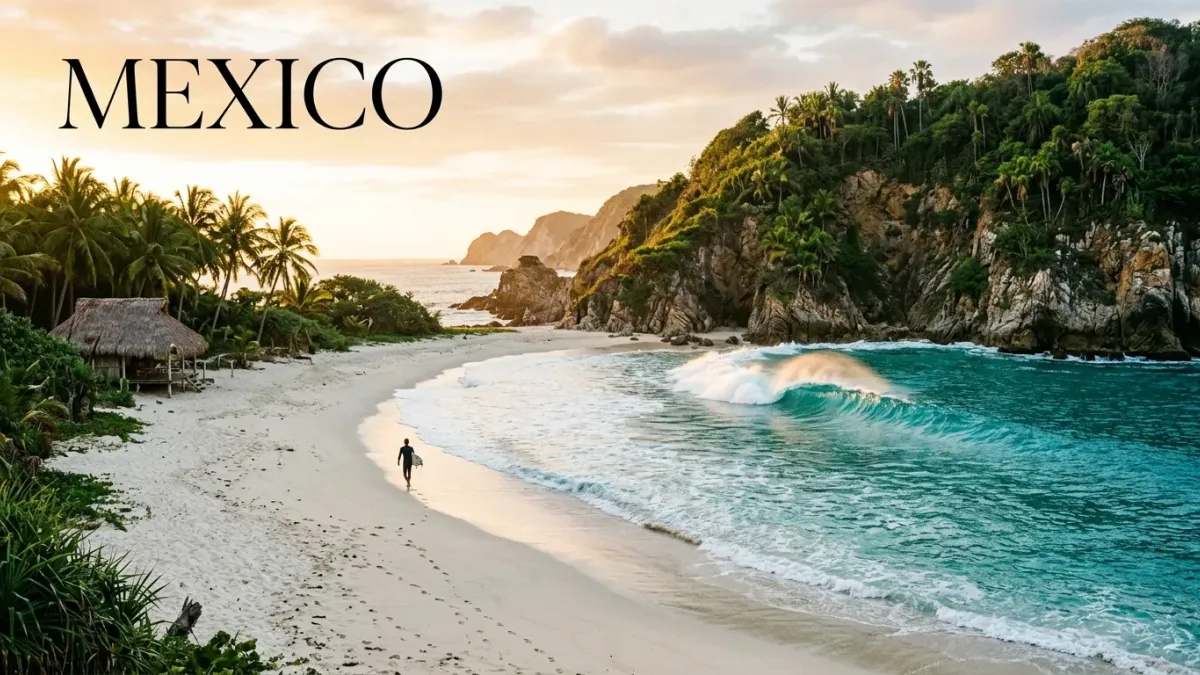
Ever dreamed of trading crowded resorts for untouched waves and sleepy, soulful beach towns? Mexico's Pacific Coast holds a treasure trove of experiences waiting for the adventurous soul. Forget Cancun and Cabo – we're heading south, where the rhythm is slower, the waves are consistent, and the local culture shines.
This isn't just a surf trip; it's an invitation to immerse yourself in communities that thrive on ocean life, art, and a genuine welcoming spirit. Whether you're chasing the perfect barrel or simply seeking a hammock and a good book under a palm tree, the Mexico Pacific Coast offers an authentic escape for surfers & seekers alike.
Embracing the Pacific Vibe: Why This Coast is Different
The vast stretch of coastline from Nayarit down to Oaxaca is a world away from Mexico's Caribbean party hubs. Here, you’ll find a rugged landscape where the Sierra Madre mountains meet the Pacific, creating dramatic coves, long sandy stretches, and consistent swells. It’s a place where slow travel isn't just a trend; it's a way of life. When I talk about slow travel, I mean intentionally taking your time to connect with local culture, support the community, and truly experience a place rather than rushing through a checklist of sights. This coast is perfect for that, inviting you to linger, learn a few Spanish phrases, and let the ocean dictate your pace.
You'll encounter a vibrant tapestry of indigenous cultures, fresh seafood straight from the boat, and sunsets that will redefine your understanding of beauty. The focus here is on authentic connections – with nature, with the locals, and with yourself. This region is less about luxury resorts and more about charming cabañas, family-run guesthouses, and a genuine sense of community. It's an ideal destination for those looking to travel sustainably and leave a positive footprint.
But what really sets this coast apart? It’s the convergence of world-class Mexico surf breaks and a burgeoning creative scene. Small villages that once catered almost exclusively to surfers are now attracting artists, yogis, and digital nomads, creating a unique blend of adventure and bohemian tranquility. This isn't just about catching waves; it’s about discovering tiny galleries, beachfront yoga studios, and eateries serving up incredible fusion cuisine alongside traditional Mexican fare.

Your Essential Guide to Unearthing Secret Surfing Spots & Chill Havens
Ready to dig into the good stuff? Here’s where to go, what to look for, and how to get there. We'll skip the super-famous spots like Puerto Vallarta (though great for flights!) and instead focus on the gems a bit further afield.
1. Nayarit's Northern Charms: Beyond the Bustle
While Sayulita has grown, just a short hop away are towns that still hold that authentic, laid-back vibe. This is an excellent starting point for those new to Mexico Pacific surfing or seeking gentle waves.
- San Pancho (San Francisco): Often overshadowed by its lively neighbor, San Pancho offers a more refined, tranquil experience. It boasts a beautiful, uncrowded beach perfect for beginner surf lessons or simply relaxing. The town itself has a wonderful community center, art galleries, and fantastic restaurants. It's a great spot for families and those looking for a slightly more upscale but still bohemian feel. For accommodation, try Hotel Cielo Rojo (around $80-120/night) for a boutique experience, or smaller guesthouses starting at $40/night.
- Chacala: A true hidden beach town Mexico, Chacala is a tiny fishing village further north. Its calm cove is ideal for swimming and stand-up paddleboarding, and there are a few consistent, mellow breaks perfect for longboarders or beginners. Life here revolves around the beach, fresh seafood, and friendly locals. I remember finding a rustic cabaña right on the sand for $50/night, waking up to the sound of waves, and eating ceviche prepared by the fisherman who caught the fish that morning. That’s the magic of Chacala.
- Getting There: Fly into Puerto Vallarta (PVR). From there, you can take an inexpensive local bus ("Compostela" line) or a shared van (colectivo) directly to Sayulita or San Pancho. To Chacala, you'll likely need to connect via La Peñita de Jaltemba. Buses are comfortable and cost between $5-$15 USD depending on distance.
2. Oaxaca's Rugged Coastline: Surfer's Paradise Meets Bohemian Retreat
Head south to Oaxaca for some of Mexico's most iconic waves and incredibly chill towns. This is where the landscape becomes more dramatic, and the culture feels distinctly Oaxacan.
- Puerto Escondido: Famous for "Mexican Pipeline," it's a magnet for advanced surfers. But don't let that intimidate you! Beyond Zicatela, you'll find Playa Carrizalillo and Playa La Punta, which offer more manageable waves for intermediates and beginners. La Punta, in particular, has a fantastic bohemian vibe with surf schools, yoga studios, and beachfront restaurants.
- Mazunte & San Agustinillo: These twin towns are the epitome of bohemian beach destinations. Mazunte is the birthplace of the Mexican Turtle Center and has a strong focus on eco-tourism and wellness. The waves at Mazunte's main beach are typically gentle, while nearby Mermejita beach offers a more secluded, rugged experience and some decent breaks. San Agustinillo, just a short walk away, is even quieter, with calm, protected coves perfect for swimming.
GPS Coordinate for Punta Cometa (Mazunte's famous sunset spot): 15.6565° N, 96.5615° W. It's a must-see. - Zipolite: Mexico's only legal nude beach, Zipolite embraces a wonderfully free-spirited atmosphere. It’s incredibly welcoming and diverse, with good waves for bodyboarding and intermediate surfing. The town is full of affordable guesthouses, unique eateries, and a distinct lack of pretension. For an authentic stay, consider a cabaña at La Posada Mexico (around $25-50/night for a basic room).
- Getting There: Fly into Puerto Escondido (PXM) or Huatulco (HUX). From PXM, colectivos (shared taxis) or local buses can take you to Mazunte, San Agustinillo, and Zipolite for $2-$5 USD. The ride is scenic but can be winding. If you fly into HUX, you'll take a bus or colectivo to Pochutla, and then another to your final destination.
Practicalities for Your Pacific Coast Adventure
Now that you've got some spots in mind, let’s talk logistics. Planning is key, but remember to stay flexible; that's part of the adventure!
Best Time to Visit & Weather Expectations
The Mexico Pacific Coast generally experiences a dry season from November to May and a rainy season from June to October. For optimal conditions:
| Season | Months | Weather & Vibe | Surf Conditions |
|---|---|---|---|
| Peak Season | December - April | Sunny, low humidity, cooler nights. Most popular for tourists, can be crowded. | Consistent north swells, great for all levels. |
| Shoulder Season | May, November | Warm, pleasant, fewer crowds. Transition period. My personal favorite! | Good south swells starting in May; good north swells starting November. |
| Rainy Season | June - October | Hot, humid, daily afternoon showers (usually brief). Fewer tourists. | Dominant south swells, bigger waves, best for experienced surfers. |
I personally love the shoulder season (late April to early June, or late October to early December). You get beautiful weather, fewer crowds, and often better deals on accommodation. Plus, the transition in surf swells means you can often find good waves without the peak season rush.
Realistic Daily Budgets
Budgeting is always a moving target, but here’s a breakdown based on my extensive experience on the ground:
- Budget Traveler ($40-60 USD/day): Expect dorm beds or basic private rooms in guesthouses ($15-30), eating delicious street food and local fondas ($10-15), and using colectivos or local buses for transport ($5-10). Maybe one surf lesson or rental ($10-20).
- Mid-Range Traveler ($70-100 USD/day): Private cabañas or comfortable guesthouse rooms ($30-60), a mix of local eateries and nicer sit-down restaurants ($20-30), occasional taxis or longer bus rides ($10-15). Regular surf rentals/lessons or other activities ($15-30).
- Comfort Traveler ($120+ USD/day): Boutique hotel or air-conditioned bungalow ($60-100+), dining at highly-rated restaurants ($40+), private transfers or car rental days ($20-50+), and more frequent guided tours or activities ($30-50+).
These figures are per person. Remember, prices can fluctuate based on the season and how far in advance you book. Always carry some cash (Mexican Pesos), especially in smaller towns, as many places don't accept cards.
Getting Around: Transport Tips & Prices
Navigating the Pacific Coast is part of the adventure. It’s generally safe, efficient, and affordable.
- Buses: Mexico has an excellent long-distance bus system (ADO, Primera Plus, ETN are major companies). These are comfortable, often air-conditioned, and cover major routes. Prices vary but expect $20-50 USD for inter-state travel. For shorter distances between towns, local buses are even cheaper ($2-10).
- Colectivos: These are shared taxis or vans that run fixed routes and pick up/drop off passengers along the way. They’re super cheap ($1-5 USD for short hops) and a great way to experience local life. Just hail one down on the road!
- Rental Cars: Renting a car offers ultimate flexibility, especially for reaching truly off-the-beaten-path Mexico spots or driving scenic routes. Expect $30-50 USD per day, plus insurance and gas. Be aware that Mexican car insurance can be tricky; make sure you understand what's covered. Roads can be winding and occasionally unpaved to smaller beaches, so a higher-clearance vehicle might be useful.
Embracing Slow Travel & Local Living
To truly experience the soul of the Mexico Pacific Coast, you need to go beyond the typical tourist experience. This means embracing the pace, respecting the culture, and engaging with the communities.
Cultural Etiquette & Sustainable Travel Practices
Mexican culture is warm and hospitable. A few simple practices will go a long way:
- Greetings: Always greet people with "Hola" or "Buenos días/tardes/noches." A simple "Gracias" and "Por favor" are essential.
- Dress Code: While beach towns are relaxed, be mindful when venturing into local markets or more conservative areas. Cover up slightly, especially women.
- Bargaining: In markets, light bargaining is acceptable and expected, but always be respectful and friendly. For established prices in shops or restaurants, do not bargain.
- Support Local: Choose family-run guesthouses, eat at local fondas, and buy from artisans directly. This ensures your money stays within the community, promoting sustainable travel Mexico.
- Leave No Trace: Pack out what you pack in. Avoid single-use plastics. Many towns have filtered water refill stations, so bring a reusable bottle. Be especially careful with reef-safe sunscreen if you're swimming or surfing.
Finding Your Hidden Beach Towns Mexico
Sometimes, the "hidden" part isn't a secret GPS coordinate, but a change in perspective. Imagine this situation: you've heard all about the great surf at La Punta in Puerto Escondido, and it's buzzing with travelers. But what if you took a local colectivo just 15 minutes north to Playa Zicatela, then walked another 20 minutes past the main break to a quieter section? You might discover a secluded stretch with perfect, uncrowded waves for your skill level, or a small palapa restaurant serving the freshest seafood with no other tourists in sight. That's how you find your own hidden gems – by exploring just a little further, asking locals for recommendations, and being open to serendipity.
Common Pitfalls to Steer Clear Of
Even in paradise, a little foresight goes a long way. Here are some common mistakes I've seen travelers make:
- Not Carrying Enough Cash: Many smaller establishments, especially in the more remote towns, operate solely on cash. ATMs can be scarce or run out of money. Always have enough pesos for a few days.
- Underestimating the Sun: The Pacific sun is intense. Sunburn is not just uncomfortable; it can ruin your trip. Reapply high-SPF, reef-safe sunscreen frequently, wear a hat, and seek shade during peak hours.
- Drinking Tap Water: Never drink tap water in Mexico. Always opt for bottled water or purified water from large garrafones (jugs) that guesthouses often provide.
- Ignoring Local Customs: Assuming local culture is the same as back home can lead to misunderstandings. Take time to observe and learn. For example, punctuality is often more flexible in Mexico.
- Over-planning: While a guide like this helps, don't jam-pack your itinerary. The beauty of these bohemian beach destinations is their relaxed pace. Leave room for spontaneous discoveries.
What to Watch Out For: Staying Safe and Respectful
Mexico is generally a safe country for travelers, especially in tourist-friendly areas. However, like any destination, common sense and awareness are your best tools.
- Petty Crime: Be mindful of your belongings on crowded buses, markets, or beaches. Don't flash expensive electronics or large amounts of cash.
- Swimming & Surfing Safety: Respect ocean conditions. If you're unsure about a break, watch locals first or ask a surf instructor. Always swim in designated areas and be aware of currents, especially on more exposed beaches.
- Food & Water Safety: Stick to places that look clean and have high turnover. "Peel it, boil it, cook it, or forget it" is a good mantra for fresh produce. Be cautious with street food from vendors who don't have good hygiene practices, but don't shy away from it entirely – some of the best food is found on the street!
- Nightlife: If you're out at night, especially in more lively towns like Puerto Escondido, stick with friends, don't accept drinks from strangers, and know how you're getting home.
- Respecting Nature: Mexico's Pacific Coast is home to incredible biodiversity. Do not disturb wildlife, particularly nesting sea turtles or marine life. Adhere to protected area rules.
Frequently Asked Questions
What is the best surf spot for beginners?
For beginners, Playa Carrizalillo in Puerto Escondido or the main beach in San Pancho offer gentle, consistent waves and numerous surf schools. Chacala also has very mellow breaks perfect for learning.
Is solo travel safe on Mexico's Pacific Coast?
Yes, solo travel Mexico safety is generally good in these bohemian towns. Use common sense: be aware of your surroundings, don't walk alone at night in unlit areas, and inform someone of your plans. Locals are often very helpful and welcoming.
How can I find truly hidden surf breaks?
The best way to find truly hidden breaks is by talking to local surfers, hiring a local surf guide for a day, or exploring coastal roads with a rental car. Often, the best spots require a bit of effort to reach, but the reward is uncrowded waves.
There you have it, fellow wanderer! The Pacific Coast of Mexico is more than just a destination; it’s an invitation to a different way of traveling. It’s about chasing waves, sure, but also about chasing sunsets, discovering secret coves, and connecting with a culture that lives by the rhythm of the ocean. So pack your board (or just your adventurous spirit), embrace the unknown, and let the Pacific tell you its stories. Your unforgettable adventure awaits!