
Introduction: Why Autumn in Japan is Pure Magic
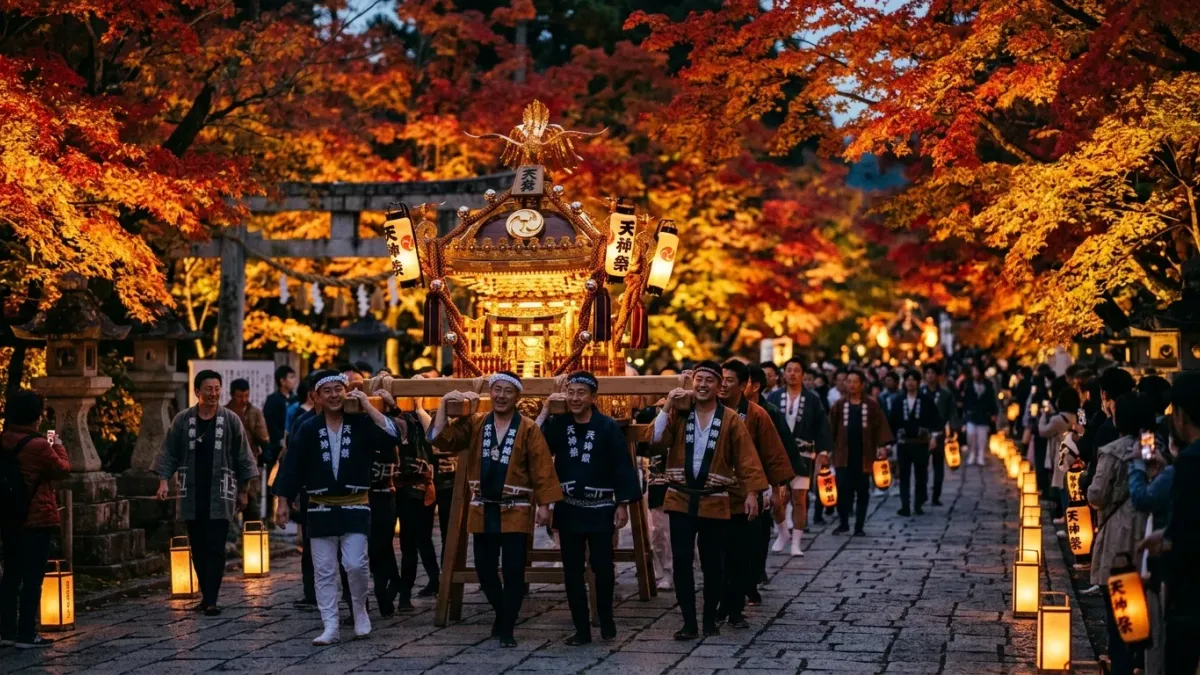
If you've been dreaming of a trip to Japan, let me tell you straight: autumn is, without a doubt, the absolute best time to go. Imagine crisp, clear air, a landscape ablaze with fiery reds and golds, and ancient temples framed by breathtaking natural beauty. This isn't just a pretty season; it’s a full sensory experience that combines stunning natural beauty with a vibrant cultural calendar.
The Japanese even have special words for this phenomenon: koyo (autumn leaves) and momiji (maple leaves), and chasing the koyo front as it sweeps south across the archipelago is a national pastime. From my many adventures exploring Japan, I believe autumn offers a uniquely immersive journey, blending serene landscapes with lively festivals. It's truly a magical time.
1. The Best Time to Chase Japan's Fall Colors
When to Go: Peak Season & Shoulder Season Secrets</h3<
The best time to visit Japan for fall foliage generally stretches from late September to early December, but the exact peak depends entirely on where you are. Just like spring's cherry blossoms, the autumn leaves follow a "koyo front" that moves south from Hokkaido's northern reaches and the Japanese Alps, down to Kyoto and Tokyo, and finally to the southernmost islands. This means you can actually chase the colors for weeks if you plan it right!
In Hokkaido and the higher elevations of Honshu (like Nagano), colors peak from late September to mid-October. For major cities like Kyoto and Tokyo, the sweet spot is usually mid-November to early December. The weather during this period is generally perfect: clear, sunny days with comfortable temperatures ranging from 10-20°C (50-68°F), though evenings can get quite cool, especially further north. This makes it ideal for walking, hiking, and exploring without the intense heat and humidity of summer.
If you're looking to avoid the biggest crowds, consider the shoulder season – early October in central Honshu or late November in Kyoto. While you might miss the absolute peak in some spots, you’ll still see incredible colors and enjoy a more relaxed atmosphere. Plus, accommodation can be slightly more affordable. Honestly, a little flexibility in your dates can go a long way in enhancing your experience.
Realistic Budgets for Your Autumn Adventure
Japan can be as expensive or as budget-friendly as you make it. For an autumn trip, expect prices to be a bit higher than off-season due to demand, especially for popular ryokan (traditional inns) and hotels in prime viewing spots. Here’s a rough guide based on my own extensive travels:
| Category | Accommodation (per night) | Food (per day) | Transport & Activities (per day) | Total Daily Budget |
|---|---|---|---|---|
| Budget Traveler | $30-60 (hostel dorm, capsule hotel) | $25-40 (convenience stores, ramen, street food) | $20-30 (local trains, free sights) | $75-130 |
| Mid-Range Explorer | $70-150 (business hotel, guesthouse) | $40-70 (izakayas, mid-range restaurants) | $30-60 (JR Pass segment, some paid attractions) | $140-280 |
| Comfort/Luxury | $180+ (ryokan, boutique hotel) | $80+ (fine dining, multiple meals) | $60+ (shinkansen, private tours) | $320+ |
Keep in mind that these are averages. You can save significantly by leveraging konbini (convenience stores) for meals, utilizing local buses instead of bullet trains for shorter distances, and seeking out free parks and shrines. For example, I once stayed at a wonderful family-run guesthouse in the hills above Chefchaouen (not Japan, but similar hidden gem vibe!) for $35/night, which reminds me that searching for those local gems always pays off.
Recommended Stay Duration
To truly appreciate autumn in Japan, I recommend at least 2 to 3 weeks. This allows you to explore different regions, from the urban vibrancy of Tokyo to the cultural richness of Kyoto and the natural beauty of the Japanese Alps, without feeling rushed. If you only have a week, focus on one region, like Kansai (Kyoto, Osaka, Nara) or Tokyo and its surroundings, to avoid constant travel.
2. Navigating Japan: Transport & Hidden Gems
Getting Around: Trains, Buses & Scenic Drives
Japan’s public transport system is legendary: punctual, efficient, and extensive. The Japan Rail Pass is often a fantastic option for multi-region travel, offering unlimited travel on most JR trains, including the Shinkansen (bullet train). Just be aware that it needs to be purchased before you arrive in Japan. For exploring specific areas, local buses are excellent, and often offer more scenic routes, especially in rural areas during autumn.
For true slow travel and to reach some of the most stunning koyo spots, consider combining trains with local buses or even renting a car for a few days. Slow travel, by the way, means taking your time, immersing yourself in a local culture, and moving at a more relaxed pace rather than rushing through a checklist of sights. It's perfect for autumn in Japan. A memorable scenic drive through the Irohazaka Winding Road near Nikko, for example, offers incredible autumn vistas that buses might miss.
Unearthing Autumn's Hidden Gems
While Kyoto and Tokyo’s famous spots like Arashiyama or Rikugien Garden are undeniably beautiful, they can also be incredibly crowded. To truly experience the magic, you need to venture a little off the beaten path. Imagine this situation: you've woken early, taken a local train to a small town, and after a short walk, you stumble upon a tiny, unnamed temple garden with a lone, ancient maple tree blazing scarlet against a mossy stone wall, with only the sound of a distant stream. That's the feeling.
- Okochi Sanso Villa, Arashiyama (Kyoto): While still in Arashiyama, this former estate of a silent film actor is often overlooked for the Bamboo Grove and Tenryu-ji Temple. It offers exquisitely maintained gardens with fantastic maple views and a peaceful atmosphere. GPS: 35.0163° N, 135.6669° E.
- Togakushi Shrine area, Nagano: Nestled in the mountains of Nagano, this complex of Shinto shrines connected by ancient cedar avenues offers spectacular autumn colors. The towering cedars against the fiery maples are breathtaking, and it's far less crowded than Kyoto. GPS for Chusha Shrine: 36.6976° N, 138.0772° E.
- Naruko Gorge, Miyagi Prefecture: Located in northern Honshu, this ravine is famous for its dramatic cliffs and vibrant autumn foliage, best enjoyed from viewing platforms or walking trails. The Naruko Bridge (Ofukazawa Bridge) offers iconic views. It's a bit of a journey but worth it. Check our guide to lesser-known Tohoku destinations for more.
- Daisen-ji Temple, Tottori Prefecture: On the slopes of Mount Daisen, this temple complex offers stunning autumnal displays, particularly the path leading to the main hall. The mountain itself is spectacular in autumn.
My advice? Don't just stick to the guidebooks. Wander, explore side streets, and ask locals for their favorite koyo spots. Often, the most memorable views are found in unexpected places.
3. Immerse Yourself: Festivals, Food & Culture
Autumn Festivals: A Cultural Tapestry
Beyond the leaves, autumn in Japan is a time for vibrant festivals celebrating harvest, history, and tradition. These matsuri offer a fantastic way to experience local culture firsthand. Some of the most famous include:
- Jidai Matsuri (Festival of Ages) in Kyoto (October 22nd): A grand historical parade featuring participants dressed in costumes from different eras of Japanese history. It's a spectacular visual feast.
- Takayama Autumn Festival (October 9th & 10th): Considered one of Japan's most beautiful festivals, featuring incredibly elaborate floats (yatai) and marionette performances. It's a UNESCO Intangible Cultural Heritage event and an absolute must-see if you're in the region.
- Nagasaki Kunchi Festival (October 7th-9th): A lively festival with dragon dances, exotic floats, and unique performances reflecting Nagasaki's history as a port city with international influences.
When attending festivals, remember to be respectful. Ask permission before taking close-up photos of performers, keep noise levels down when appropriate, and follow local customs. These events are deeply significant to the communities.
Autumn's Culinary Delights
Japanese cuisine shifts wonderfully with the seasons, and autumn is no exception. It's harvest season, bringing forth an abundance of delicious ingredients. Look out for:
- Sanma (Pacific saury): A fatty, flavorful fish often grilled whole and served with grated daikon.
- Matsutake mushrooms: Highly prized and aromatic, often served simply grilled or in dobin-mushi (steamed in a teapot).
- Kaki (persimmons): Sweet and juicy, eaten fresh or dried.
- Chestnuts & Sweet Potatoes: Used in desserts, savory dishes, and roasted as street snacks.
Seek out local izakayas (Japanese pubs) or market stalls to sample these seasonal delicacies. Supporting local eateries is also a fantastic way to engage in sustainable travel, ensuring your travel dollars directly benefit the community.
Safety & Etiquette in Japan
Japan is incredibly safe, with very low crime rates, so you can generally feel at ease exploring. However, understanding basic cultural etiquette will greatly enhance your experience. Simple things like:
- Bowing: A common greeting and sign of respect. A slight nod is usually sufficient.
- Removing shoes: Always remove your shoes when entering homes, temples, traditional restaurants, and some guesthouses. Look for shoe lockers or racks.
- Quiet on trains: Keep phone conversations to a minimum and avoid loud talking on public transport.
- No tipping: Tipping is not customary and can sometimes be seen as rude.
But what would you do if you got lost and didn't speak Japanese? Don't panic! Most Japanese people are incredibly helpful, even with a language barrier. Have your destination written down in Japanese if possible, use translation apps, and don't hesitate to approach staff at train stations or convenience stores. A little patience and a smile go a long way.
What to Watch Out For & Common Mistakes
Avoiding the Crowds (and common pitfalls)
Autumn in Japan is popular for a reason, meaning crowds, especially in hotspots like Kyoto and Tokyo, can be significant. Here are some common mistakes to avoid:
- Not booking ahead: Accommodation and popular train tickets (especially during peak koyo weekends or major festivals) can sell out months in advance. Book early!
- Underestimating walking: You’ll do a lot of walking. Comfortable shoes are non-negotiable.
- Not packing layers: Days can be mild, but mornings and evenings, particularly in the mountains, can be chilly. Read our essential packing list for autumn in Japan for detailed advice.
- Over-scheduling: Japan has so much to see, but trying to cram too much in will lead to burnout. Embrace the slow travel mindset and allow for spontaneous discoveries.
- Relying solely on cards: While major cities are increasingly card-friendly, many smaller shops, restaurants, and temples (especially in rural areas) are cash-only. Always carry some Yen.
Sustainable Travel Practices
As a traveler, you have the power to make a positive impact. When enjoying Japan's beautiful autumn, practice sustainable travel by:
- Minimizing waste: Carry a reusable water bottle and coffee cup. Japan is very clean, and you'll find plenty of recycling bins.
- Respecting nature: Stay on marked paths, especially in national parks and gardens. Do not pick leaves or disturb flora and fauna.
- Supporting local: Choose local guesthouses, restaurants, and shops. This helps funnel money directly into the local economy.
- Being mindful of noise: Especially in serene temple grounds or traditional neighborhoods, keep voices down.
Frequently Asked Questions
When is peak koyo season?
Peak koyo (fall foliage) season varies by region. In northern Japan (Hokkaido) and high altitudes, it's late September to mid-October. For major cities like Kyoto and Tokyo, expect peak colors from mid-November to early December.
Is autumn in Japan expensive?
Autumn can be slightly more expensive than off-peak seasons due to high demand for accommodation and transport. However, with careful planning, booking in advance, and utilizing budget-friendly options like convenience store meals and local trains, you can manage costs effectively.
What should I pack for autumn?
Pack layers! Days are often mild, but mornings and evenings can be cool. Include long-sleeved shirts, sweaters, a light jacket, and comfortable walking shoes. Don't forget a small umbrella, as occasional rain showers can occur.
So there you have it, fellow wanderer. Autumn in Japan is not just a trip; it's an experience that will etch itself into your memory forever. From the vibrant momiji to the intoxicating aromas of seasonal foods and the ancient rhythms of traditional festivals, it truly offers something for every kind of traveler. Start planning your 2026 adventure now, and prepare to be utterly captivated by the Land of the Rising Sun at its most spectacular.