
Disclosure: As an Amazon Associate, we earn from qualifying purchases.
Are you yearning for a travel experience that transcends mere sightseeing, one that truly connects you with a destination's soul? Then let me tell you about Vanuatu, a South Pacific gem where ancient traditions aren't just preserved – they're lived, breathed, and shared. If you're ready to step beyond the resorts and into the heart of a vibrant culture, a remote island village stay in Vanuatu is unlike anything else.
I've spent years chasing authentic encounters, sleeping in everything from hammocks to five-star hotels, but few places have captured my imagination quite like Vanuatu. It’s a place where Kastom traditions (their unique customary practices) are not relics of the past but living, breathing forces that shape daily life. It’s here, tucked away on islands less traveled, that you’ll find opportunities for Vanuatu cultural immersion that will genuinely change your perspective.
Embracing Kastom: Why Vanuatu for Deep Cultural Immersion?
Vanuatu isn't just a pretty face with turquoise waters and active volcanoes; it's an archipelago of over 80 islands, each with its own distinct dialect, customs, and history. This incredible diversity means there's a multitude of unique cultural experiences waiting. Unlike many destinations where cultural displays are often staged for tourists, in Vanuatu, the traditions you'll witness are integral to the community's identity. From the land diving (Naghol) on Pentecost Island to the ancient cannibal sites on Malekula, and the revered kava ceremonies found throughout, Kastom traditions are interwoven into every aspect of life.
What makes Vanuatu cultural immersion so special is the genuine warmth and willingness of the Ni-Vanuatu people to share their way of life. They are proud guardians of their heritage, and for those who approach with respect and an open heart, the doors to their villages are often open. This isn't just about observing; it's about participating, learning, and understanding. You won't find bustling markets catering solely to tourists or glossy brochures promising an "authentic" experience that falls short. Here, authenticity is the default.
To truly grasp the essence of Vanuatu, you need to slow down. This isn't a place for whistle-stop tours. It's a prime destination for slow travel, allowing you to settle into the rhythm of village life. Slow travel, for those unfamiliar, is about taking your time, immersing yourself deeply in local culture, and fostering meaningful connections rather than rushing through a checklist of sights. In Vanuatu, it's not just a preference; it's the only way to truly experience the magic.
Planning Your Remote Village Stay: Where to Go and How to Arrange It
Choosing your island and arranging your village stay requires a bit more planning than booking a hotel online, but it’s absolutely worth the effort. The most accessible islands for meaningful remote village stays include Tanna, Pentecost, Malekula, and Ambrym, each offering a distinct cultural flavor.
- Tanna Island: Famous for Mount Yasur, one of the world's most accessible active volcanoes. While many visit for the volcano, staying in a nearby village allows you to experience Kastom villages like those of the John Frum cargo cult. Villagers here often offer very basic guesthouses.
- Pentecost Island: Home to the Naghol (land diving) ceremony, typically performed in April/May. Outside of this specific event, the island offers fascinating inland villages where traditional life thrives.
- Malekula Island: Known for its diverse cultural groups, particularly the Big Nambas and Small Nambas, named for the size of their traditional penis sheaths. Exploring inland Malekula with a local guide offers profound insights into ancient rituals and subsistence living.
- Ambrym Island: Famed for its magic, custom dances, and active volcanoes (Benbow and Marum). The villages here are rich in tradition, including elaborate sand drawings and custom ceremonies.
Arranging Your Stay: It's All About Local Connections
You won't typically find these village stays on major booking platforms. The best way to arrange them is through local connections. Honestly, this is where the adventure truly begins!
Goal Zero Crush Light Chroma Lantern Collapsible Solar Lantern 3 White Plus Multicolour Fade Plus 6 Colour Modes Turn Campsite Into A Party Built-in Solar Panel Or Charge from Any USB Port,Black

- Local Tour Operators: Many small, ethical tour operators based in Port Vila (Vanuatu's capital) or on the outer islands specialize in Vanuatu cultural immersion trips. They have established relationships with villages and can ensure your visit is respectful and mutually beneficial. Examples include Volcano Island Paradise Tour on Tanna or local guides recommended by the Vanuatu Tourism Office.
- Vanuatu Tourism Office (VTO): Their website and offices in Port Vila are invaluable resources. They can provide contacts for community-based tourism initiatives and reliable local guides.
- Word of Mouth: Once you arrive in Vanuatu, chat with locals. Guesthouse owners, taxi drivers, and even market vendors often know someone who can connect you with a village. This method requires flexibility but can lead to truly unique experiences.
- Direct Contact (with caution): For more experienced adventurers, it's sometimes possible to travel to a regional center (like Lenakel on Tanna or Loltong on Pentecost) and ask around for village accommodations. Always ensure you have a local translator or guide if attempting this, and be prepared for spontaneous arrangements.
Recommended Stay Duration: For a truly immersive experience, I recommend a minimum of 3-5 days per village stay. This allows you to settle in, participate in daily activities, and build rapport. Any less, and you're just skimming the surface.
Life in the Village: What to Expect and How to Prepare
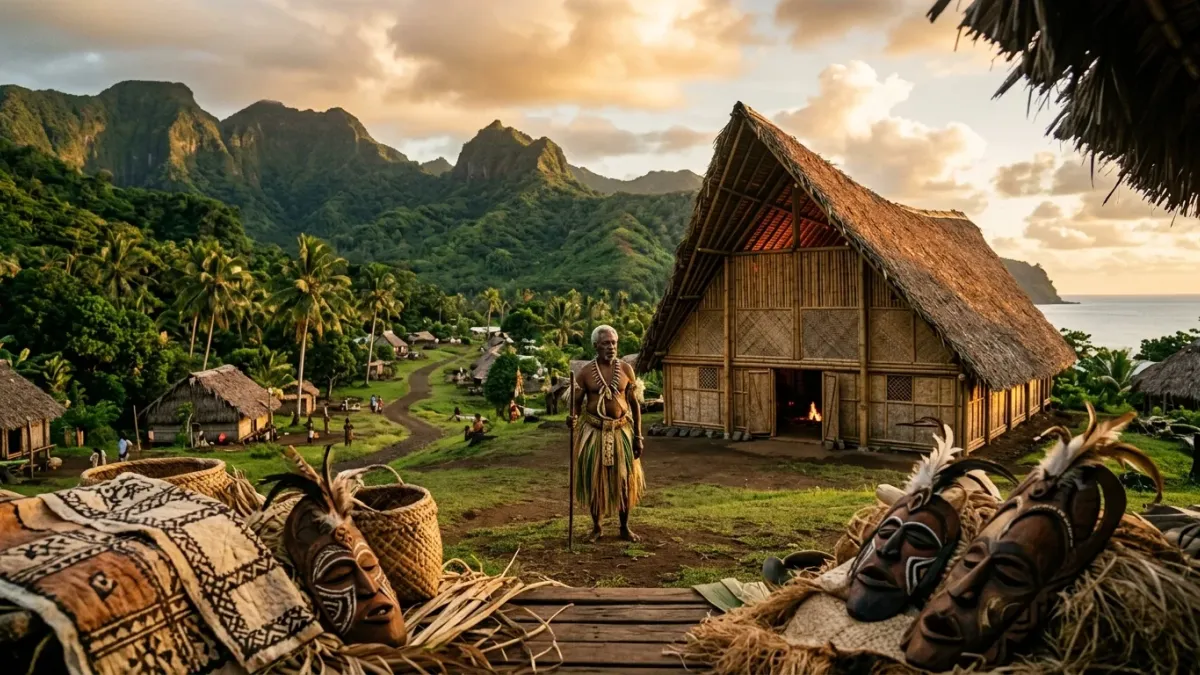
Let's set some realistic expectations. A remote village stay is not a luxury retreat. You’ll likely be staying in a basic hut, perhaps made of woven bamboo and thatch, with a simple mattress on the floor or a cot. Electricity is rare, running water might be a communal tap or river, and composting toilets or pit latrines are common. Showers might be a bucket and scoop.
But what would you do in this situation? Instead of focusing on what you lack, focus on what you gain: genuine connection, fresh local food, starry nights like you've never seen, and the constant rhythm of village life. Meals will be simple but delicious, often consisting of root crops like taro and yam, fresh fish, local greens, and perhaps some chicken. Everything is seasonal and locally sourced.
Cultural Etiquette and Participation:
- Dress Modestly: Always cover your shoulders and knees. This is paramount for showing respect, especially in traditional villages.
- Ask Permission: Before taking photos of people or specific ceremonies, always ask permission. A simple "Mi save tekem piksa?" (Can I take a photo?) in Bislama goes a long way.
- Gifts: It's customary to bring a small gift for the chief or family hosting you. Useful items like fishing hooks, school supplies, medical supplies, or even a bag of rice are much appreciated. Avoid giving money directly to individuals; if you wish to contribute financially, offer it to the chief for communal projects.
- Kava Ceremony: If offered kava, accept it respectfully. This traditional drink is a significant part of Ni-Vanuatu culture. You'll sit with the men, observe the solemnity, and drink from a coconut shell. Expect a numbing sensation and a sense of calm.
- Participation: Be open to participating in daily activities – helping prepare food, tending gardens, weaving, or joining in dances. This is where the real learning happens!
For example, imagine this situation: You're invited to help prepare laplap, Vanuatu's national dish, where grated root vegetables are mixed with coconut milk, wrapped in banana leaves, and cooked over hot stones. You'll be sitting on the ground, sharing laughter and stories with the women, learning techniques passed down through generations. This isn't a cooking class; it's life, and you're part of it.
Getting There and Getting Around: Logistics and Budgeting
Getting to Vanuatu typically involves an international flight to Bauerfield International Airport (VLI) in Port Vila. From there, you'll embark on island hopping adventures, usually via domestic flights or cargo boats.
Transportation Options:
GRAYL GeoPress 24 oz Water Purifier & Water Filter Bottle, Olive Drab

| Mode of Transport | Details & Tips | Estimated Cost (USD) |
|---|---|---|
| Domestic Flights | Air Vanuatu operates flights to most major outer islands. Book well in advance, especially during peak season. Luggage limits are strict. | $100 - $250 one way (e.g., Port Vila to Tanna) |
| Cargo Boats | A true adventure! Slower, less reliable schedules, but much cheaper and offers a local experience. Often depart from Port Vila or Luganville. Ask around at the wharves for schedules. | $30 - $80 one way (Port Vila to outer islands) |
| Local Buses/Trucks | On larger islands, shared minivans or open-back trucks act as public transport. Hail them from the road. Confirm price before boarding. | $2 - $10 per ride (depending on distance) |
| Private Transfers/Taxis | Available in Port Vila and Luganville, and can be arranged through guesthouses on outer islands. More expensive but convenient. | $20 - $80 per trip (short to longer distances) |
Realistic Daily Budgets (USD):
While the initial transport to the outer islands can be costly, once you're in a village, your daily expenses plummet. This is where Vanuatu hidden gems reveal themselves as surprisingly affordable.
- Accommodation: $30 - $60 per night (for a basic village guesthouse, often includes meals). An example would be a family-run guesthouse near Port Resolution on Tanna, offering simple bungalows for $40/night including breakfast and dinner.
- Food: Minimal, as meals are often included or very cheap at local markets. Budget $5 - $15 per day if buying extra snacks or drinks.
- Local Transport: $5 - $20 per day (for rides to nearby areas or activities).
- Activities/Guides: $20 - $50 per day (for guided village tours, custom ceremonies, or hikes, often paid directly to the community).
- Total Realistic Daily Budget: Expect to spend around $60 - $120 per day once you are on your chosen outer island, excluding the cost of flights to get there.
Best Time to Visit:
The dry season (April/May to October) is generally considered the best time to visit Vanuatu for cultural immersion. The weather is cooler and less humid (20-28°C / 68-82°F), and there's less rainfall. This also coincides with specific cultural events like Pentecost's Naghol. The wet season (November to March) brings higher humidity, more rain, and a risk of cyclones, though villages are still welcoming if you're prepared for the weather.
Sustainable Travel and Safety: Being a Responsible Wanderer
Travelling responsibly in a place like Vanuatu is paramount. Your visit should benefit the community and help preserve its unique culture and environment. This means practicing sustainable travel Vanuatu.
What to Watch Out For & Common Mistakes:
- Arriving Unannounced: Never just show up at a remote village expecting accommodation. This is disrespectful and can put hosts in an awkward position. Always arrange your visit through a trusted local contact or guide.
- Ignoring Local Customs: Failing to dress modestly, taking photos without permission, or being disrespectful during ceremonies are major faux pas. Your guide will advise you, but always err on the side of caution and humility.
- Bringing Unsuitable Gifts: While gifts are appreciated, avoid giving candy or trinkets that contribute to waste or poor health. Focus on practical items.
- Expecting Western Comforts: If you're not prepared for basic facilities, lack of internet/electricity, and insects, a village stay might not be for you. Adjust your mindset.
- Not Carrying Enough Cash: Credit card facilities are almost non-existent in remote villages. Always carry enough Vanuatu Vatu (VUV) for your stay, guides, and any purchases.
Safety Practices:
INGEAR Sarong Bathing Suit Cover Up for Women – Long Pareo Beach Wraps, Swimsuit Coverup Skirt, Stylish Bikini Cover Up

Vanuatu is generally a safe country, but remote travel always requires common sense.
- Health: Bring insect repellent, a basic first-aid kit, and any personal medications. Consult your doctor about vaccinations. The healthcare system on outer islands is very basic.
- Water: Drink bottled or treated water. Avoid tap water unless you've purified it.
- Guides: Always use a reputable local guide for treks or visits to particularly remote areas. They know the terrain, the customs, and how to navigate any challenges.
- Respect Wildlife: Observe from a distance. Some insects and marine life can be dangerous.
- Be Aware of Weather: Tropical weather can change quickly. Be mindful of cyclone season and flash floods.
Let me add something here: based on my experience, engaging with the local people is your best safety net. The Ni-Vanuatu are incredibly hospitable and will look out for you if you show respect. That said, always trust your instincts.
Frequently Asked Questions
Can I travel solo to Vanuatu's villages?
Absolutely! Solo adventurers are welcome, but I highly recommend engaging a local guide for safety, cultural insights, and to facilitate your stay, especially for remote village stays.
What language is spoken in Vanuatu?
Vanuatu has over 100 indigenous languages. The official languages are Bislama (a Pidgin English), English, and French. Learning a few phrases in Bislama will go a long way in connecting with locals.
Is internet available in remote villages?
Generally no. Expect to be completely off-grid. Embrace the digital detox! Mobile signal can be patchy even in some regional centers, so download maps and important info beforehand.
Venturing into Vanuatu's remote villages isn't just a trip; it's a pilgrimage into a living cultural tapestry, an experience that strips away the superficial and leaves you with profound understanding and unforgettable memories. If you're seeking true authentic travel experiences and want to witness Vanuatu's vanishing traditions before they change forever, then pack your bags and prepare for an adventure that will redefine your definition of travel. This is where the real world truly opens up.