
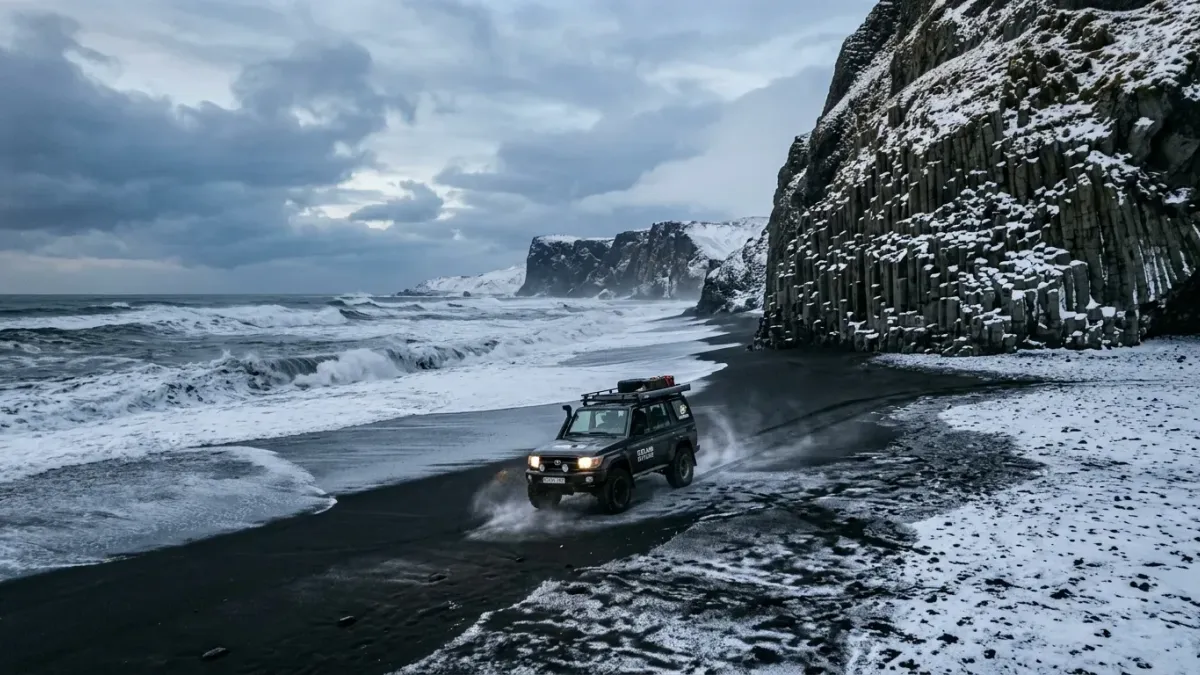
Quick answer: To plan the perfect winter escape to Iceland, target November through March for peak Northern Lights and ice cave access. Rent a sturdy 4x4 vehicle equipped with studded tires, base yourself near Reykjavik or the South Coast, and allow flexible buffer days in your itinerary to adjust for severe weather delays.
Essential Logistics: Weather, Costs, and Safety Realities
Understanding what to expect before you land at Keflavík International Airport (KEF) is essential for a smooth trip. Winter runs officially from November through March, characterized by limited daylight—dropping to around four hours during the winter solstice in late December. Temperatures hover between -2°C to 3°C (28°F to 37°F) along the coast, though high winds often make it feel considerably colder. Precipitation varies widely, bringing sudden snowstorms, sleet, or torrential rain depending on warm ocean currents.
Iceland uses the Icelandic Króna (ISK), and credit or debit cards are accepted everywhere, even for small purchases like public restrooms or coffee. Travelers from the US, Canada, EU, UK, and Australia do not require a visa for stays under 90 days within the Schengen Area. Current travel advisories from the US Department of State and UK FCDO maintain Iceland at Level 1 (exercise normal precautions), rating it as one of the safest countries globally, provided you respect its unpredictable environment.
When budgeting, be prepared for high costs, especially regarding rental cars, fuel, and dining out. Knowing how to pack for extreme cold will help you avoid expensive last-minute purchases at airport shops. Below is a breakdown of realistic winter expenses to help you plan your daily funds effectively.
| Category | Budget Explorer | Mid-Range Traveler | Luxury Traveler |
|---|---|---|---|
| Accommodation (per night) | $40 - $70 (Hostel / Shared Guesthouse) | $140 - $250 (3-Star Hotel / Boutique Stay) | $450 - $900+ (Luxury Resort) |
| Food & Dining (per day) | $25 - $40 (Self-catering / Gas stations) | $70 - $120 (Casual sit-down dining) | $200 - $350+ (Fine dining / Tasting menus) |
| Transport (per day) | $35 - $50 (Shared 4x4 / Buses) | $80 - $130 (Medium SUV rental + fuel) | $300 - $600+ (Private driver / Super-jeep) |
| Activities (per tour) | $0 - $30 (Self-guided sightseeing) | $80 - $180 (Guided Ice Cave / Aurora tour) | $300 - $800 (Helicopter / Private Glacier) |
Navigating Winter Roads and Transportation
Renting a vehicle gives you complete freedom, but driving in an Arctic winter requires absolute focus. Black ice, sudden gale-force winds capable of damaging car doors, and drifting snow are regular occurrences. Always opt for a full four-wheel-drive (4x4) vehicle, and confirm that your rental company fits it with studded winter tires, which are legal and standard in Iceland from November to April. Check road conditions daily on SafeTravel.is and the Icelandic Road Administration portal before putting your car in drive.
If driving on ice makes you anxious, rely on organized day excursions departing directly from central Reykjavik. Guided tours eliminate the stress of winter navigation, utilizing massive modified 4x4 vehicles known locally as "Super-Jeeps" to conquer deep snowdrifts. Public transit outside the capital is extremely limited during winter, making guided tours or rental cars your primary transport options.
Traveler's tip: Never ignore yellow or orange weather warnings in Iceland. During my last winter drive along Route 1 near Vík, a sudden katabatic wind gust literally stripped the paint off an unprepared tourist sedan and jammed the door hinges. Always park facing into the wind, hold your doors firmly with both hands when opening them, and download the 112 Iceland safety app to transmit your GPS coordinates to search-and-rescue teams if you run into trouble.
Top Winter Activities and Hidden Gems
Seeing the aurora borealis is a top priority for most winter travelers. The lights require three conditions: dark skies, clear conditions without heavy cloud cover, and solar activity. Skip expensive boat tours if you have a rental car; simply drive 20 minutes outside Reykjavik's light pollution to dark spots like the Seltjarnarnes Peninsula or the Thingvellir National Park grounds. Keep your eyes on the northern horizon between 10 PM and 2 AM, and bring a sturdy tripod for long-exposure photography.
Beyond chasing lights, winter unlocks access to natural crystal ice caves beneath the Vatnajökull glacier, accessible exclusively during cold months when the sub-glacial rivers freeze solid. For an exceptional thermal soak, look beyond the heavily commercialized Blue Lagoon and head toward the Sky Lagoon's oceanfront infinity pool, or venture into the countryside to Secret Lagoon in Flúðir (GPS: 64.1378° N, 20.3094° W), Iceland’s oldest natural geothermal basin.
If you enjoy off-the-beaten-path destinations, spend an afternoon exploring lesser-known geothermal valleys like Hveragerði, where you can hike past steaming fumaroles surrounded by fresh winter snow banks. Exploring the Golden Circle remains an essential rite of passage, but visiting Gullfoss waterfall when its cascading tiers are completely framed by ice formations offers a totally different experience than summer visits.
Accommodation, Dining, and Sustainable Travel
Booking the right stay can make or break your trip when daylight hours are short. Family-run guesthouses provide extraordinary warmth and hospitality during cold nights. Look for properties along the South Coast near Hvolsvöllur or Kirkjubæjarklaustur—rates range from $90 to $160 per night and often include hot geothermal breakfasts. Staying away from large urban centers significantly improves your odds of stepping outside your bedroom door to witness the Northern Lights without driving anywhere.
Food in Iceland is fresh, local, and delicious, though dining out frequently adds up fast. To keep your budget manageable, shop at local grocery chains like Bónus or Krónan to pack your lunch supplies. Try authentic culinary staples such as *Kjötsúpa* (a rich, slow-cooked lamb and root vegetable soup) available at roadside gas stations for around $12-$15, or fresh Arctic char at seaside taverns. Always carry a reusable water bottle; tap water in Iceland springs directly from pristine glacial aquifers and is among the cleanest on Earth.
Sustainable travel practices are crucial in a fragile ecosystem holding up under heavy tourism. Stay strictly on designated paths and marked roads; driving off-road is illegal and severely fines offenders because moss crushed beneath tires takes decades to recover in cold climates. Always respect local safety barriers near volatile breaking waves on black sand beaches like Reynisfjara, where dangerous "sneaker waves" frequently pull distracted tourists out to sea.
Planning Your Ideal Winter Itinerary
For a standard 5-to-7-day winter escape, avoid trying to drive the complete 1,332 km (828 mile) Ring Road, as frequent storm closures will derail packed schedules. Instead, focus your energy on a concentrated south coast route. Spend Day 1 settling into Reykjavik, enjoying hot bakeries and geothermal public pools. Use Day 2 for the Golden Circle loop, featuring Thingvellir, Geysir, and Gullfoss waterfall.
Spend Days 3 and 4 traveling along the South Coast toward Vík and Skaftafell. Here, you can admire Seljalandsfoss and Skógafoss waterfalls, walk along Reynisfjara black sand beach, and tour an ice cave inside Vatnajökull. Dedicate Day 5 to the iconic Jökulsárlón Glacier Lagoon and nearby Diamond Beach, where glittering icebergs wash ashore onto volcanic sands. Keep Day 6 completely open as an emergency buffer for unexpected winter weather delays before returning to KEF for your departure on Day 7.
To prepare effectively, map out your locations thoroughly using detailed regional destination guides to ensure you do not spend precious hours of daylight searching for parking or trailheads.
To build your ultimate Iceland winter escape, pick a 5 to 7-day window between November and March, reserve a studded-tire 4x4 vehicle several months in advance, and plan a flexible south-coast route anchored by guided glacier activities and night-time aurora hunting.
Frequently Asked Questions
Is driving in Iceland in winter difficult for beginners?
It can be challenging if you have no experience with ice, heavy wind gusts, or snowstorms. However, renting a 4x4 with studded tires, staying strictly on main routes like the Ring Road, checking daily road conditions on SafeTravel.is, and avoiding night driving makes it manageable for cautious drivers.
How many hours of daylight does Iceland get in winter?
Daylight varies significantly across the season. November and March offer roughly 6 to 10 hours of light, while late December and early January experience the shortest days, providing only about 4 to 5 hours of low, golden twilight around mid-day.
What should I wear on an Icelandic winter trip?
Dress in a high-performance three-layer system: a synthetic or merino wool base layer to wick sweat, an insulating fleece or down mid-layer, and a windproof/waterproof outer shell jacket and pants. Add waterproof thermal hiking boots, wool socks, a warm beanie, insulated gloves, and microspikes for icy walking trails.