
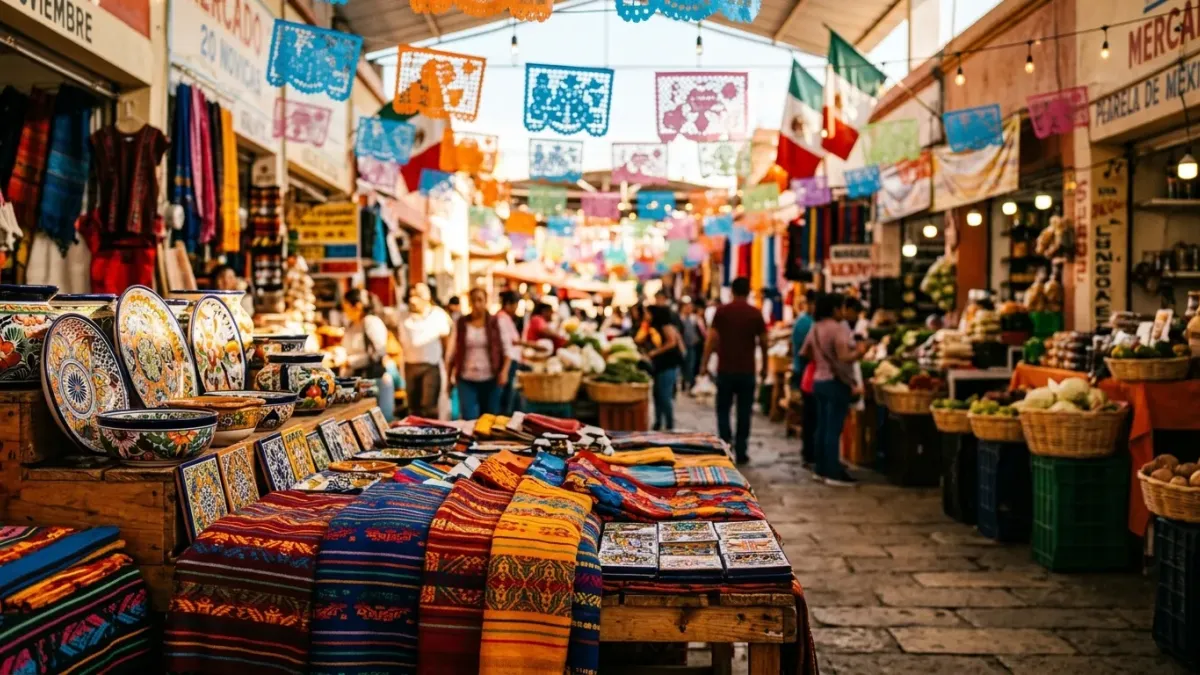
Stepping into a Mexican local market is like plunging headfirst into the country's vibrant soul. It's a symphony for the senses: the cacophony of vendors calling out their wares, the intoxicating aroma of sizzling street food mingling with fresh flowers, and a kaleidoscope of colors from intricately woven textiles to pyramids of exotic fruits. As a seasoned backpacker and road-tripper, these markets aren't just places to shop; they're the beating heart of local life, offering an unfiltered glimpse into culture, community, and culinary traditions. Forget the sterile supermarkets; this is where you truly connect with Mexico.
The Heartbeat of Mexico: Why Markets Matter
Beyond Souvenirs: Cultural Immersion
Mexican markets, known as mercados or sometimes tianguis (pre-Hispanic open-air markets that often operate on specific days of the week), are far more than just retail spaces. They are Social hubs, news centers, and living museums of traditional crafts and gastronomic heritage. Here, grandmothers share family recipes, artisans pass down skills honed over generations, and neighbors catch up over a plate of steaming tamales. You won't just find a trinket; you'll find a story, a connection, and a piece of Mexico's enduring spirit.
From the sprawling, permanent structures like Mexico City's Mercado de la Merced to the weekly pop-up tianguis in rural villages, each market has its own unique character and specialties. These are the places where the real Mexico thrives, where you can observe daily life unfold, practice your Spanish, and taste flavors you won't find in any restaurant. It’s an essential experience for any traveler seeking an authentic, rather than a curated, adventure.
When to Dive In: Timing Your Market Adventure
Timing your market visit can significantly enhance your experience. While many larger markets are open daily, the most vibrant times are often specific days or during the "shoulder season."
- Shoulder Season (April-May and September-October): This is my absolute favorite time to travel Mexico. The weather across much of the country is pleasantly mild, and the major tourist crowds have either dispersed or not yet arrived. This means more comfortable exploration without feeling overwhelmed, and vendors might even have more time to chat.
- Daily Timing: Aim for mornings, typically between 8:00 AM and 1:00 PM. This is when produce is freshest, the stalls are fully stocked, and the energy is at its peak without being overwhelmingly crowded. By mid-afternoon, some vendors start packing up, and the heat can become more intense, especially in southern regions.
- Specific Market Days: Many traditional tianguis operate only one or two days a week. For example, the famous Sunday market in Tlacolula de Matamoros, Oaxaca, is a must-see for its incredible array of Zapotec goods and regional food. Ask locals or your guesthouse staff about specific market days in the areas you visit – these are often the most authentic experiences.
A Traveler's Toolkit: Navigating Market Logistics
Budgeting for the Bustle
One of the joys of exploring Mexican markets is how incredibly affordable everything can be. Your budget will stretch further here than almost anywhere else, especially if you're eating street food and buying local crafts.
- Food: A delicious and filling street food meal (tacos, quesadillas, tlacoyos) will typically cost you between 50-150 MXN (approximately $3-9 USD). Fresh fruit juices (aguas frescas) are usually 20-40 MXN ($1.20-2.40 USD). You can easily eat like royalty for $10-15 USD a day.
- Souvenirs & Crafts: This is highly variable, but for quality handmade items, budget anywhere from 200 MXN ($12 USD) for a small piece of pottery to 1000-3000 MXN ($60-180 USD) for an elaborate textile or piece of silver jewelry. Remember to carry plenty of small bills (20, 50, 100 MXN notes) as vendors often don't have change for large denominations. Always pay in Mexican Pesos (MXN); exchanging currency at the market is generally not a good idea.
Getting Around: Transport Tips
Reaching markets, especially those off the main tourist drag, is usually straightforward and inexpensive.
- Walking: In smaller towns or for central markets, walking is often the best way to soak in the atmosphere.
- Public Buses & Colectivos: These are your best friends for budget travel. Local buses are incredibly cheap, often costing less than 15 MXN (under $1 USD) per ride. Colectivos are shared taxis or vans that run fixed routes, picking up and dropping off passengers along the way. They're slightly more expensive than buses but still very affordable (typically 15-50 MXN, $1-3 USD depending on distance) and a fantastic way to experience local life. Just ask a local where to catch the colectivo to your desired market.
- Ride-Sharing Apps: In larger cities like Mexico City, Guadalajara, or Mérida, Uber and Didi are readily available and convenient, offering a comfortable ride for a reasonable price, especially if you're traveling with others.
Recommended Stay Duration & Market Pacing
Don't rush your market experience. These aren't places to zip through in 30 minutes. To truly appreciate the sights, sounds, and flavors, allocate at least 2-3 hours for a medium-sized market, and a full morning or even an entire day for larger ones like Mexico City's Central de Abasto (though that’s more for wholesale and less tourist-friendly, but immense).
I typically recommend a slow travel approach. Wander, observe, sample, chat with vendors, and allow yourself to get a little lost. This isn't about ticking off items on a list; it's about soaking in the vibrant energy and discovering unexpected delights.
What to Savor & Score: A Shopper's & Foodie's Guide
Culinary Delights: Eating Like a Local
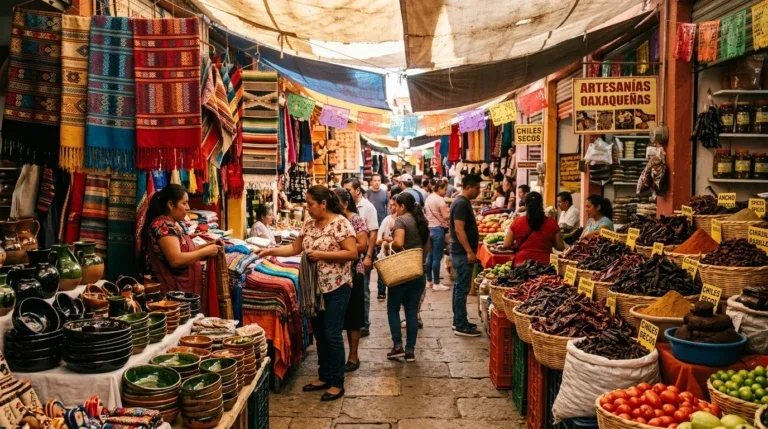
Mexican markets are a foodie's paradise, a living cookbook bursting with authentic flavors. Eating street food here is an essential part of the experience, but a word to the wise: look for stalls that are busy and have a high turnover – a good sign of fresh ingredients and delicious food. Always carry hand sanitizer and use it before and after eating.
- Tacos Al Pastor: The undisputed king of street tacos, thinly sliced marinated pork cooked on a vertical spit, served with pineapple, onion, and cilantro.
- Esquites & Elotes: Roasted corn kernels (esquites) or a whole cob (elotes) slathered with mayonnaise, cheese, chili powder, and lime. Pure comfort food.
- Tlacoyos & Memelas: Thick, oval-shaped corn tortillas, often filled with beans or cheese, topped with salsa, cheese, and sometimes meat. A staple in central and southern Mexico.
- Mole: Especially in Oaxaca, you'll find stalls selling various types of complex, rich mole sauces by the kilo. Don't be shy; ask for a sample!
- Fresh Fruit & Aguas Frescas: Tropical fruits you might not recognize, and refreshing drinks like horchata (rice milk), jamaica (hibiscus), or fresh fruit juices.
- Chapulines: For the adventurous, try toasted grasshoppers, especially in Oaxaca. Crunchy, salty, and surprisingly delicious!
Artisan Treasures: Shopping Smart
The array of handicrafts in Mexican markets is astounding, reflecting the diverse indigenous cultures and artistic traditions of the country. Knowing what to look for and how to approach a purchase will ensure you take home genuine treasures.
- Textiles: From the vibrant embroidered blouses of Chiapas to the intricate Zapotec rugs of Oaxaca, textiles are a highlight. Look for natural dyes and hand-woven pieces.
- Pottery: Black pottery (barro negro) from Oaxaca, Talavera ceramics from Puebla, and colorful glazed pieces from Jalisco are all stunning.
- Silver Jewelry: Taxco, Guerrero, is famous for its silver. Look for the ".925" stamp indicating sterling silver.
- Other Delights: Hand-carved wooden masks, leather goods, vanilla beans (especially from Veracruz), rich Mexican chocolate, and locally grown coffee or mezcal/tequila from reputable vendors.
- Haggling Etiquette: Haggling (regatear) is expected and part of the fun, but always do it politely and with a smile. It's generally not done for food items or mass-produced goods with fixed prices. Start by offering 20-30% below the asking price, and be prepared to meet somewhere in the middle. If a vendor won't budge, respect their price – they often rely on these sales to feed their families. Don't be rude or aggressive; a friendly negotiation often results in a better experience for both parties.
Beyond the Tourist Trail: Unearthing Mexico's Hidden Market Gems
While popular markets like Mercado de Artesanías La Ciudadela in Mexico City are great for variety, true gems are often found a little further afield or specialize in something unique. These are the places where the local rhythm is strongest.
Mexico City's Undiscovered Havens
Mexico City is a market mecca, with over 300 official markets. Beyond the tourist hotspots, these offer a deeper dive:
- Mercado de San Juan (Ernesto Pugibet 21, Centro Histórico): This isn't for the faint of heart, but it's an incredible experience. Known for exotic meats (deer, wild boar, crocodile) and insects (chapulines, escamoles – ant larvae), it's a gourmet adventure for the truly curious. You can even find stalls that will cook your exotic purchases on the spot.
- Mercado Jamaica (Guillermo Prieto 45, Jamaica): A sprawling market dedicated almost entirely to flowers. It's a riot of color and fragrance, especially vibrant around holidays like Día de Muertos. Even if you're not buying, the sheer visual spectacle is breathtaking.
- Mercado de Artesanías de Coyoacán (Ignacio Allende S/N, Coyoacán, Del Carmen): While Coyoacán itself is touristy, this specific market, separate from the main craft stalls around the plaza, offers a more concentrated and often better selection of artisan goods, from jewelry to textiles, in a less frantic setting.
Regional Riches
Venturing outside the capital reveals regional specialties and truly authentic market experiences:
- Tlacolula Sunday Market, Oaxaca: Approximately 30km east of Oaxaca City, this is one of Mexico's oldest and most impressive indigenous markets. Catch a colectivo from Oaxaca's Central de Abastos for about 20-30 MXN ($1.20-1.80 USD). It's a sensory overload of Zapotec culture, traditional clothing, huge clay cooking pots, fresh produce, and delicious food like barbacoa. Plan to spend at least half a day here.
- San Cristóbal de las Casas Indigenous Market, Chiapas: Located behind the Santo Domingo church, this market is primarily run by various Tzotzil and Tzeltal Mayan communities. You'll find incredible hand-embroidered textiles, woolens, amber jewelry, and herbal remedies. It's a great place to buy directly from the artisans.
- Pátzcuaro Friday Market, Michoacán: Pátzcuaro is a picturesque town in the heart of Michoacán, and its weekly Friday market is a major cultural event. Indigenous Purépecha people come from surrounding villages to sell pottery, copperware, lacquerware, and traditional foods. It's less frequented by international tourists and offers a truly local vibe.
Traveling Responsibly: Safety, Etiquette & Sustainable Practices
Staying Safe and Savvy
Mexican markets are generally safe, but like any crowded place, it pays to be vigilant.
- Personal Safety: Be aware of your surroundings, especially in dense crowds where pickpocketing can occur. Keep your wallet in a front pocket, use a cross-body bag worn to the front, or consider a money belt. Leave expensive jewelry or flashy items in your accommodation.
- Scams: Be wary of distractions or anyone trying to draw your attention away from your belongings. Politely decline any "free" items that come with high-pressure sales tactics.
- Health: Stick to bottled water. If trying street food, observe hygiene practices – look for vendors wearing gloves and who cook food fresh to order. If something looks questionable, move on; there are always plenty of other options.
Cultural Courtesy
Respectful interaction goes a long way in making your market experience positive for everyone.
- Greetings: Always greet vendors with a polite "Buenos días" (good morning) or "Buenas tardes" (good afternoon) and a smile. Use "Por favor" (please) and "Gracias" (thank you). A little Spanish goes a long way.
- Photography: Many vendors are happy to have their stalls photographed, but always ask permission first with a simple "Puedo tomar una foto?" (Pweh-doh toh-mar oo-nah foh-toh?). If they say no, respect their wishes without question.
- Handling Goods: Avoid touching or handling merchandise, especially delicate crafts or fresh produce, without asking first.
Supporting Local & Sustainable Choices
As conscious travelers, we have an opportunity to make a positive impact.
- Buy Direct: Whenever possible, buy directly from the artisan or a small local vendor. This ensures your money goes directly to the person who made the item, supporting their craft and community.
- Reduce Plastic: Bring your own reusable shopping bags to minimize plastic waste. Many vendors still use single-use plastic bags.
- Fair Prices: While haggling is part of the culture, don't try to drive prices down to an unreasonable level. Remember that a few dollars might mean little to you but can be significant for a local family. Pay what feels fair and respectful of their craftsmanship.
- Research: Learn about the origins of goods. For example, some "authentic" amber from Chiapas might be fake. A little research can help you make informed and sustainable purchases.
Navigating Mexico's local markets is truly one of the most rewarding travel experiences you can have. It’s an adventure for all your senses, a masterclass in cultural immersion, and a fantastic way to connect with the heart and soul of this incredible country. So, grab your reusable bag, practice your "hola," and get ready to explore!