Quick answer: The shoulder season in Italy spans April to May and September to October, offering mild temperatures (15°C–25°C), up to 30% lower accommodation costs, and significantly shorter queues at major cultural sites. It provides the ideal balance between pleasant weather, manageable crowds, and strong travel value.
Understanding the Italian Shoulder Season Window
In the world of travel, the shoulder season represents the period when weather conditions remain exceptionally pleasant, but major tour operators, airlines, and local providers dial back their peak pricing structure. For northern and central regions like Tuscany, Venice, and Lombardy, spring shoulder season runs from mid-April through May, while autumn shoulder season covers mid-September through late October. In southern regions like Sicily, Puglia, and Campania, warm Mediterranean coastal waters extend the viable autumn window straight into early November.
Planning your trip around these windows completely changes your daily logistics. During the July and August peak, high-speed rail lines sell out weeks in advance and luxury boutique stays demand steep minimum night requirements. During shoulder months, booking flexibility returns, allowing travelers to pivot their routes based on spontaneous weather updates or local festival schedules. You will also experience a far more authentic interaction with locals, as hospitality staff, shopkeepers, and artisans are no longer overwhelmed by midsummer tour surges.
Weather metrics during these transitional periods remain comfortable across the entire peninsula. Daily temperatures across central Italy average between 16°C and 23°C (61°F to 73°F), providing optimal conditions for urban walking tours, long vineyard hikes, and outdoor cafe dining. While brief rain showers become slightly more probable compared to July's dry heat, overall monthly rainfall averages remain manageable, rarely disrupting whole-day itineraries when packed with proper layers.
Strategic Financial Planning and Daily Budget Realities
A well-planned shoulder season trip generates substantial savings across every tier of your budget. According to figures monitored by local hospitality associations, accommodation rates in key hub cities drop between 20% and 35% as soon as September fades into October. Furthermore, domestic transport providers like Trenitalia and Italo release a higher volume of discounted promotional fares during non-peak travel months, making city-to-city transfers fast and affordable.
To help you structure your daily expenses, consider these practical financial baselines across different travel styles:
| Traveler Style | Daily Budget (USD) | Accommodation Style | Typical Daily Expenses |
|---|---|---|---|
| Budget Backpacker | $65 – $90 | Hostel dorm / Shared guesthouse ($25–$40) | Street food, bakery lunches, public regional transport, self-guided tours |
| Mid-Range Explorer | $150 – $240 | Family-run B&B / 3-star hotel ($80–$130) | Trattoria dinners, espresso bars, high-speed rail, selective museum tickets |
| Luxury Traveler | $450+ | Boutique heritage stay / 5-star hotel ($280+) | Fine dining, private winery transfers, guided private museum access |
Traveler's tip: Never pay for express train seats on short regional hops like Florence to Lucca or Naples to Salerno. The local Regionale trains take practically the exact same time, cost up to 60% less, and require no advance seat reservations—allowing you to stay entirely flexible on rainy afternoons.
Regional Spotlights: Where Shoulder Season Shines Brightest
Tuscany and the Central Hill Towns
Spring and early autumn bring out Tuscany's true rural identity. In April and May, the rolling hills surrounding Val d'Orcia display vibrant green landscapes, ideal for photography and cycling tours without the risk of heat exhaustion. October brings the grape harvest (vendemmia) followed closely by olive picking, offering visitors a unique look at age-old agricultural traditions, accompanied by seasonal culinary pop-ups serving fresh truffles, wild boar ragù, and new olive oil pressings.
The Southern Coastlines and Offshore Islands
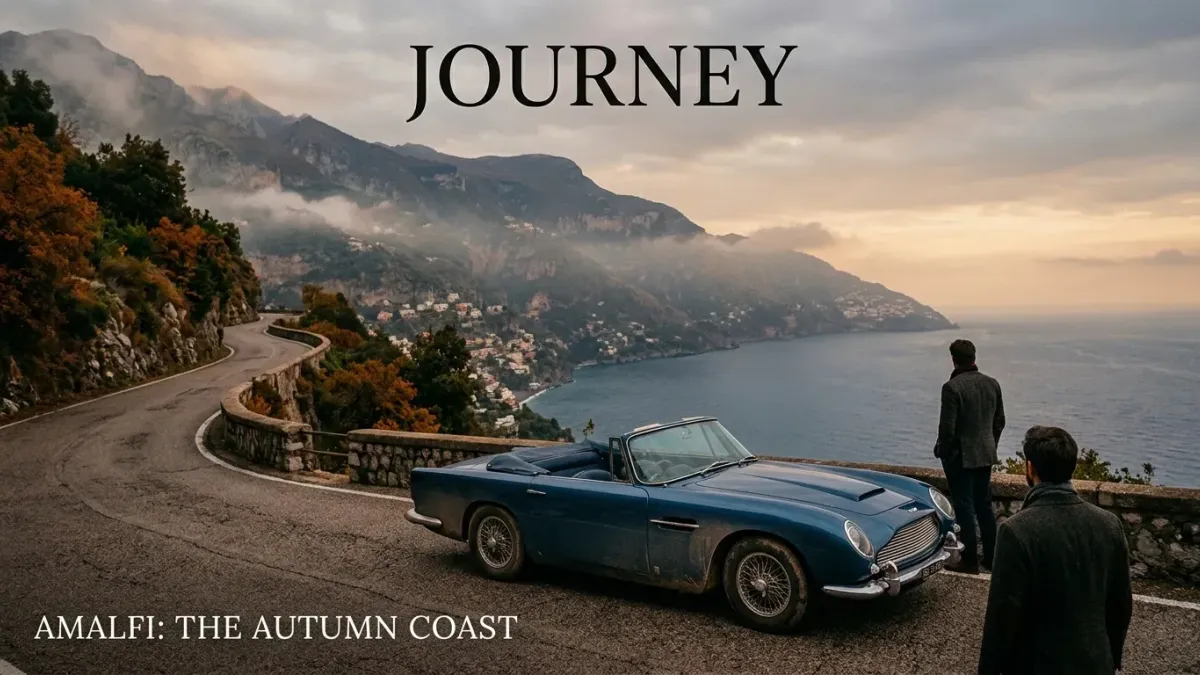
Navigating the sheer cliff roads of the Amalfi Coast or searching for coastal parking in the Cinque Terre during August can easily derail a trip with endless traffic snarls. Visiting in late May or late September resolves these issues completely. Sea temperatures remain warm enough for swimming straight through October in southern hubs like Sorrento and Siracusa, while ferry routes maintain steady active schedules at standard off-peak fares, connecting mainland ports seamlessly to islands like Capri and Ischia.
When selecting your base, look beyond high-density resort zones to preserve your budget while prioritizing quality experiences. Consider spending a few nights at a family-run agriturismo—an authentic farm-stay property offering home-cooked meals made with local produce—in the Tuscan hills above Siena for roughly $75 to $110 per night. If you're tackling urban itineraries, review our practical off-season travel strategy guides to find lesser-known neighborhood bases away from main train hubs.
Logistics, Transport, and Practical Safety Protocols
Navigating Italy during off-peak times requires minimal logistical overhead, provided you understand the basic transportation rules. The national rail network operates efficiently, linking Rome to Florence in just 90 minutes and Milan to Venice in under two and a half hours. For rural regions like Umbria, Tuscany, or the interior of Sicily, picking up a rental car provides complete freedom. Off-season rental rates drop sharply, often dipping below $25 per day, compared to midsummer peaks that frequently breach $80 per day.
From a safety standpoint, Italy remains a secure destination for families, solo adventurers, and digital nomads alike. Major safety organizations, including the US Department of State, maintain standard Level 1 travel advisories for the country, recommending routine situational awareness. The most common minor annoyance remains petty pickpocketing around crowded transit hubs like Rome's Termini Station or the Vaporetto docks in Venice. Carrying low-profile bags and keeping transit tickets stored securely eliminates almost all risk.
For international visitors, general administrative entry parameters are straightforward. Passport holders from non-EU nations like the United States, Canada, and Australia receive entry under standard Schengen rules, permitting stay durations of up to 90 days within any 180-day window without needing a pre-arranged visa. Local currency is the Euro (€), and while contactless digital card payments are widely accepted across urban centers, holding small cash denominations (€1 and €2 coins) remains necessary for small espresso purchases and municipal public restroom access.
Frequently Asked Questions
Is October a good month to visit Venice and Florence?
Yes, October is considered one of the absolute best months to visit both cities. Daytime temperatures hover comfortably around 18°C (64°F), tourist queues drop significantly at major galleries like the Uffizi and the Doge's Palace, and evening dining presents an atmospheric experience without summer crowds.
Do attractions and restaurants shut down during the shoulder season?
In major cultural cities like Rome, Florence, and Milan, everything remains fully open year-round. In small coastal resort towns like Positano or Monterosso, seasonal businesses begin closing down around late October or early November, making May, late September, and early October ideal for full service access.
How far in advance should I book high-speed trains?
Even during the shoulder season, booking high-speed rail tickets (Frecciarossa or Italo) 3 to 4 weeks prior to your travel date can secure "Economy" or "Super Economy" promotional tiers, saving you up to 50% compared to last-minute station counter purchases.
If you are planning your first shoulder season adventure, target a 10-day September or May route starting in Rome, continuing through the Tuscan hill towns, and concluding in Florence. Focus your first planning step on securing your long-haul flights six to eight weeks in advance, and let your internal regional transport stay flexible to enjoy Italy at its most authentic, comfortable, and affordable pace.