

Europe’s Ski Showdown: France vs. Switzerland vs. Austria for Your Next Alpine Adventure

Europe’s Ski Showdown: France vs. Switzerland vs. Austria for Your Next Alpine Adventure
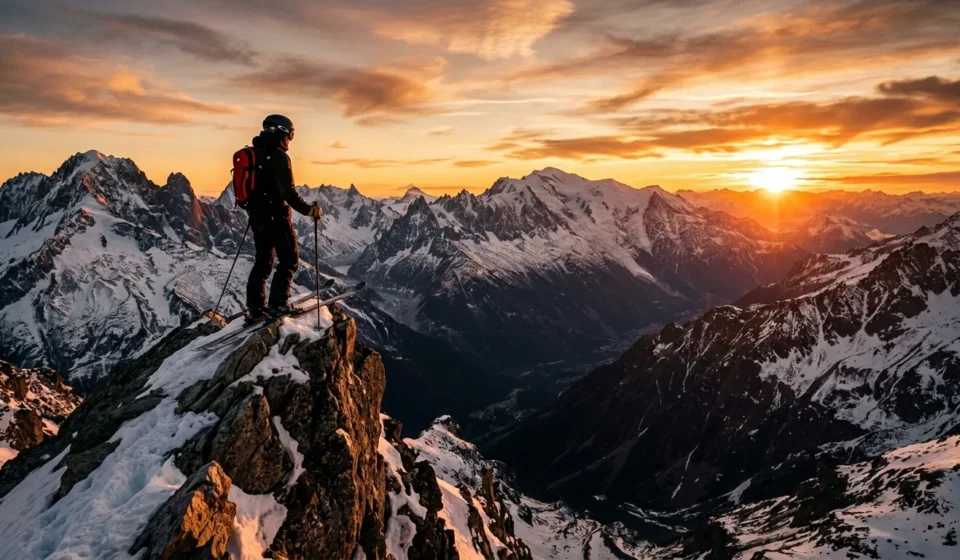
As a seasoned explorer who’s spent countless winters chasing powder across the globe, I often get asked: “Where’s the best place to ski in Europe?” It’s a classic question, and while each country offers its own magic, the decision usually boils down to the “big three”: France, Switzerland, and Austria. Each boasts incredible terrain, breathtaking scenery, and unique cultures, but they cater to different styles, budgets, and expectations.
Table Of Content
- Europe’s Ski Showdown: France vs. Switzerland vs. Austria for Your Next Alpine Adventure
- France: The Alpine Giant – Vastness & Modernity
- Switzerland: The Picture-Perfect Playground – Luxury & Scenery
- Austria: The Heart of Après-Ski – Charm & Value
- The Verdict: Choosing Your Alpine Adventure
- Practical Tips for Your European Ski Trip
So, grab a warm drink, and let’s dive into an honest, no-fluff comparison to help you carve out your perfect alpine getaway.
France: The Alpine Giant – Vastness & Modernity
France is synonymous with enormous, interconnected ski domains. Think big, modern resorts designed for maximum ski time and efficient travel between slopes. If you love clocking serious mileage on your skis or board, France is your playground.
- Vibe: High-energy, purpose-built resorts with extensive lift systems. While you’ll find charming traditional villages, many resorts lean towards modern convenience and direct access to the slopes. It’s often more about the skiing itself than quaint village charm.
- Terrain: Unbeatable for sheer size and variety. From gentle beginner slopes to challenging black runs and incredible off-piste (backcountry skiing outside marked trails) opportunities, France has it all. The Les 3 Vallées (Courchevel, Méribel, Val Thorens) offers an astounding 600km of interconnected pistes!
- Cost: Generally mid-to-high range. Lift passes can be hefty, but accommodation often comes in the form of self-catering apartments, which can be budget-friendly for groups. Food and drinks can be pricey on the mountain, but supermarket trips can keep costs down.
- Example & Budget: Staying in a self-catered apartment in Les Arcs (part of the Paradiski area) can run you around €70-120 per person per night, especially if you book early or travel in shoulder season (the periods immediately before or after the peak season, offering better prices and fewer crowds). Expect a daily budget of €150-300 per day (excluding lift pass, which is typically €60-80/day) for a comfortable trip, including groceries and a few meals out.
Switzerland: The Picture-Perfect Playground – Luxury & Scenery
Switzerland is where postcard-perfect landscapes meet unparalleled efficiency and a touch of luxury. If you dream of dramatic peaks, charming chalets, and impeccable service, and your budget allows, Switzerland will exceed your expectations.
- Vibe: Sophisticated, serene, and breathtakingly beautiful. Resorts often maintain traditional alpine architecture, and the focus is on quality over quantity. Expect excellent infrastructure, gourmet dining, and a slightly more subdued après-ski (French for “after skiing,” referring to the social activities, entertainment, and drinks enjoyed after a day on the slopes) scene than Austria.
- Terrain: While not as vast as some French domains, Swiss resorts offer incredible high-altitude skiing, ensuring good snow conditions. Iconic destinations like Zermatt (with views of the Matterhorn) and Verbier provide fantastic intermediate and expert terrain, including world-class off-piste. Grindelwald offers more family-friendly options.
- Cost: Generally the most expensive of the three. Everything, from lift passes and accommodation to food and drinks, commands a premium. However, the quality is usually top-notch.
- Example & Budget: A comfortable stay in a mid-range hotel or chalet in a resort like Wengen (car-free and stunning views) might cost €150-300 per person per night. Your realistic daily budget here could range from €200-500+ per day (excluding lift pass, often €70-90+/day), depending on how much you indulge in fine dining and activities.
Austria: The Heart of Après-Ski – Charm & Value
Austria delivers a winning combination of traditional alpine charm, fantastic skiing, and arguably the best après-ski scene in Europe. If you love a lively atmosphere, hearty food, and great value, Austria is calling your name.
- Vibe: Warm, welcoming, and vibrant. Austrian resorts are often traditional villages that have grown into ski hubs, retaining much of their original character. The focus is as much on the camaraderie and fun off the slopes as it is on the skiing.
- Terrain: Excellent for intermediates, with extensive, well-groomed pistes (a marked ski run or trail). Resorts like St. Anton am Arlberg offer challenging runs and legendary off-piste, while areas like Saalbach-Hinterglemm are perfect for cruising and families.
- Cost: Often the most budget-friendly of the three, offering fantastic value for money. Accommodation, food, and drinks are generally more affordable, and the après-ski is legendary without breaking the bank.
- Example & Budget: A cozy guesthouse or family-run hotel in Kitzbühel or Mayrhofen could be yours for €80-150 per person per night. A realistic daily budget for Austria is often around €100-200 per day (excluding lift pass, typically €50-75/day), allowing for good food, drinks, and a comfortable stay.
The Verdict: Choosing Your Alpine Adventure
- For the Mileage-Muncher & Group Traveler: France. Its huge domains and self-catering options are ideal for maximizing ski time and keeping group costs down.
- For the Luxury Seeker & Scenery Lover: Switzerland. If your budget allows, the impeccable service, stunning views, and high-quality experience are unmatched.
- For the Social Butterfly & Value Hunter: Austria. Embrace the lively après-ski, traditional charm, and excellent value for a memorable trip.
Practical Tips for Your European Ski Trip
- Best Time to Visit: I always recommend mid-January to early March. The Christmas/New Year and half-term school holidays (mid-February) are peak season – expect higher prices and larger crowds. March often brings sunnier days and softer snow, perfect for long lunches on the mountain.
- Recommended Stay Duration: A 5 to 7-day trip gives you enough time to explore a resort thoroughly and get into the rhythm of the mountains.
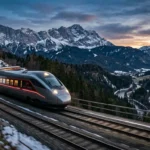
- Transportation: European train networks are excellent, especially in Switzerland and Austria. Consider flying into a major airport (Geneva for France/Switzerland, Innsbruck/Salzburg for Austria) and then taking a combination of trains, buses, or pre-booked airport transfers. Renting a car offers flexibility but check if you need winter tires or chains.
- Sustainable Travel: Wherever possible, opt for public transport to and from the resorts. Many alpine communities are striving for sustainability; respect local customs, stick to marked trails, and minimize your waste.
- Book Early: Especially for peak season or popular resorts, accommodation and flights fill up fast. Booking 6-9 months in advance can save you significant money.
- Lift Passes: These are a major expense. Consider multi-day passes or regional passes if you plan to ski extensively. Some resorts offer discounts for booking online in advance.
No matter which you choose, a European ski trip is an unforgettable experience. Each country offers a unique slice of alpine paradise. So, do your research, pack your bags, and get ready to hit the slopes!