
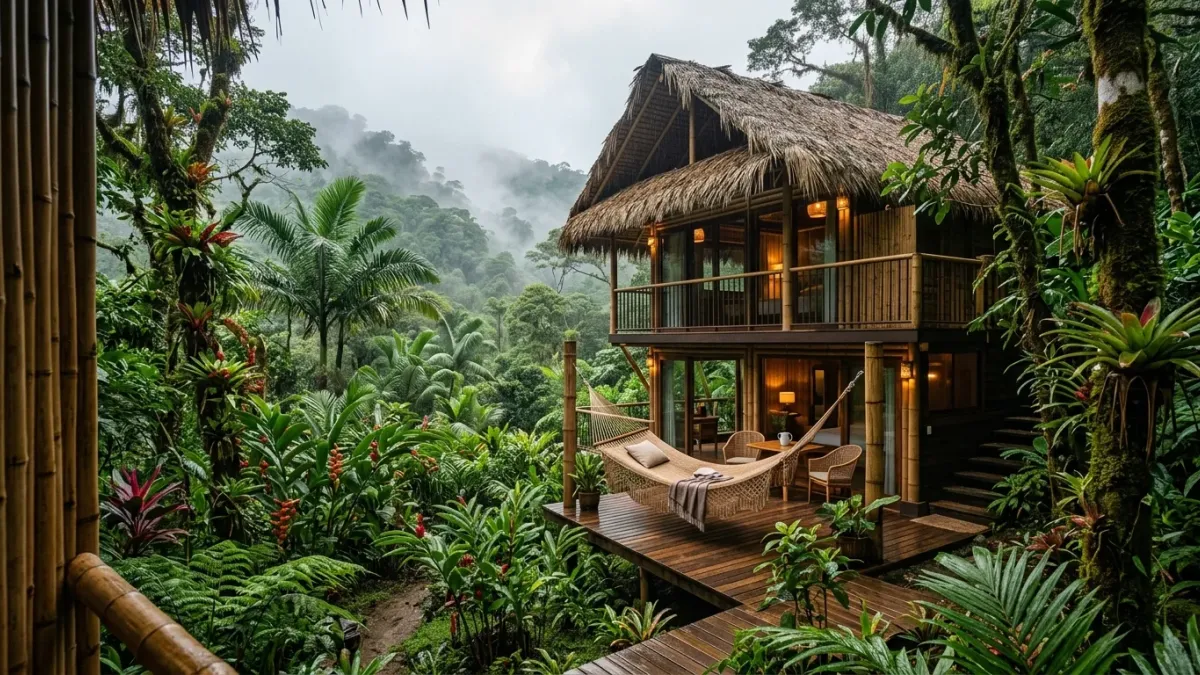
Beyond the Brochure: Unlocking Costa Rica's True Charm on a Shoestring
Alright, fellow wanderers, let’s talk Costa Rica. You've seen the stunning photos of verdant rainforests and pristine beaches, heard the siren call of "Pura Vida," and probably, like me, assumed it was a destination reserved for luxury travelers. For years, the narrative has been that Costa Rica is beautiful but expensive. And while high-end resorts certainly exist, my 15+ years of slow travel through Latin America, often with nothing more than a well-worn backpack and a thirst for local immersion, have taught me one crucial truth: the real magic in Costa Rica often lies far beyond the polished brochures and inflated price tags.
My first journey through this incredible country was a revelation. I quickly learned that the most profound experiences weren’t found behind gated communities, but in the heart of local communities, in conversations with Ticos (Costa Ricans) over a simple meal, and in the comfort of a humble, family-run guesthouse. This isn't just about finding a cheap bed; it’s about finding extraordinary value – cultural immersion, genuine local connections, and sustainable practices that enrich your journey without draining your wallet. We're going beyond the typical "hostel" search to explore the full spectrum of budget-friendly, authentic accommodations that will connect you deeply with the spirit of Costa Rica.
Decoding "Pura Vida" for Your Wallet: The Philosophy of Affordable Costa Rican Stays
To truly experience Costa Rica on a budget isn't about deprivation; it's about making intentional choices that resonate with the country’s beloved Pura Vida (pure life) philosophy – a joyful appreciation for simplicity, nature, and community. Opting for locally-owned, budget-friendly stays isn't just a cost-saving measure; it's an open invitation into the authentic heart of Costa Rican life.
Realistic Daily Spend: What to Expect Beyond Your Bed
Forget the generic "average daily cost" figures. Here’s a breakdown based on my extensive experience, showing you how far your dollars can truly stretch when you embrace local ways:
- True Budget Backpacker: ~$40-60 USD/day
- Accommodation: A dorm bed in a well-regarded hostel or a very basic cabina (simple, usually family-run bungalow or room, often with a private entrance and basic amenities) for $12-20.
- Food: Eating almost exclusively at sodas (small, local eateries serving traditional Costa Rican food) and buying groceries for simple breakfasts or lunches. Expect $5-8 per meal for a casado (a typical plate with rice, beans, salad, plantains, and your choice of meat or fish). Total food budget: $15-20/day.
- Transport: Relying on local public buses, which are incredibly affordable. Expect $3-10/day depending on distances.
- Activities: Focusing on free activities like hiking national park trails (once admission is paid), swimming at beaches, or exploring local towns.
- Comfort-Conscious Explorer: ~$65-90 USD/day
- Accommodation: A private room in a budget-friendly eco-lodge, a charming cabina, or a family guesthouse for $30-50.
- Food: A mix of sodas and mid-range restaurants, occasional treats like fresh fruit smoothies or local coffee. Expect $10-15 per meal. Total food budget: $25-35/day.
- Transport: Using local buses, occasional shared shuttles, or short taxi rides. Expect $10-20/day.
- Activities: Splurging on 1-2 paid activities per week, like a guided nature walk, surf lesson, or zip-lining experience.
The Sweet Spot: Shoulder Season Strategy
Timing your visit can dramatically influence your budget and overall experience. While the dry season (December to April) boasts continuous sunshine, it also brings peak prices and crowds. My secret? The shoulder seasons – specifically late April to July and November.
- May to July: This period often sees the start of the "green season" (also known as the rainy season), but don't let that deter you. Rain usually comes in predictable afternoon downpours that clear quickly, leaving behind incredibly lush landscapes and vibrant rainbows. July often experiences a veranillo (little summer), a mini-dry spell with glorious weather. Prices for flights and accommodations drop noticeably.
- November: The tail end of the green season, offering similar benefits to May-July with fewer tourists and fantastic wildlife viewing opportunities as nature rehydrates.
Expect lush green landscapes, powerful afternoon downpours that often clear for stunning sunsets, and significantly fewer tourists at popular spots. This means more tranquil experiences and better chances of snagging those unique budget stays.
Recommended Stay Durations: Embrace Slow Travel
To truly soak in the local vibe and minimize travel costs, embrace slow travel. Aim for a minimum of 3-5 nights per location. This allows you to settle in, explore the immediate area deeply, discover local haunts, and significantly reduces the frequency of costly travel days. Not only does it save money, but it fosters a deeper connection with the place and its people.
Beyond the Hostel: Your Toolkit for Unearthing Unique & Authentic Stays
While hostels are a fantastic option, Costa Rica offers a rich tapestry of other budget-friendly accommodations that provide unparalleled authenticity. Here's your guide to finding them:
Introducing New Accommodation Types You'll Love
- Cabinas: The Local Bungalow Charm
These are simple, often family-run bungalows or rooms, typically found near beaches or national parks. Think basic, clean, and often equipped with a porch, hammock, and sometimes a small kitchenette. They offer more privacy than a dorm and a genuine sense of place. In Puerto Viejo, for instance, you'll find countless cabinas like Cabinas Lika (around $30-45/night for a private room) – basic, but perfectly located steps from the Caribbean sea.
- Homestays / Casa Particulares: Immerse in Local Life
Staying with a local family, often including meals, is an incredible way to practice your Spanish, understand local customs, and become part of the community. These are less common to book online and are often found via local word-of-mouth, through Spanish language schools offering immersion programs, or occasionally listed on Airbnb as "private room in local home."
- Agro-tourism Fincas (Farm Stays): Rustic & Educational
These are working farms offering basic accommodation, often with opportunities to learn about coffee, chocolate, or sustainable agriculture. Think rustic charm, immersive experiences, and often delicious home-cooked meals included in the price. Near Turrialba, for example, look for fincas like Finca Integral Danta (search on Booking.com/Google Maps, expect $40-60/night with breakfast, sometimes dinner included). It's a true taste of rural Costa Rica.
- Co-living Spaces: For the Digital Nomad
Emerging in popular digital nomad hubs like Santa Teresa, Tamarindo, or San Jose, these spaces offer private rooms or dorms with shared workspaces, strong Wi-Fi, and a community vibe. They blend the Social aspect of a hostel with the functionality of an extended stay. While some are larger chains (e.g., Selina Co-live), smaller independent ones can be found through platforms catering to digital nomads or local expat groups.
- Volunteer Stays: Trade Time for Bed & Board
If you have a week or two to spare, consider volunteering on an eco-project, a farm, or a community initiative. Platforms like Workaway and Worldpackers connect travelers with hosts who provide accommodation (and sometimes meals) in exchange for a few hours of work per day. It's an invaluable way to stay long-term on a minimal budget.
Finding the Unlisted Gems: Your Secret Strategies
- Booking.com & Hostelworld with Smart Filters: Don't just search "hostel." Filter for "guesthouse," "B&B," "farm stay," "lodge," and sort by price or "review score" to uncover hidden gems with great value. Read reviews specifically mentioning local ownership or unique experiences.
- Google Maps Scavenger Hunt: This is my favorite trick. Zoom in on the specific area you want to stay. Look for small, often unlisted places marked simply as "Cabinas [Name]" or "Guesthouse [Name]." Sometimes they only have a phone number or a basic Facebook page. Call or email directly – you might get a better rate!
- Local Word-of-Mouth: Once you arrive, tap into the local network. Ask your bus driver, the owner of a soda, or fellow travelers. A simple "¿Hay una cabina barata cerca?" (Is there a cheap cabina nearby?) can open doors to authentic, unlisted accommodations.
- Facebook Groups: Join groups like "Digital Nomad Costa Rica" or "Backpackers Costa Rica." Locals or expats often post rooms for rent, house-sitting opportunities, or recommendations for budget-friendly stays.
Regional Deep Dive: Authentic Stays & Budget Adventures
Let’s explore some distinct regions of Costa Rica and the unique budget stay opportunities they offer, complete with real examples and practical tips.
The Caribbean Coast: Puerto Viejo & Cahuita
- Vibe: Laid-back, Afro-Caribbean culture, reggae rhythms, sloths, and fantastic surf breaks. It's a different pace and feel from the Pacific side.
- Stay Type: Cabinas are king here. Many are steps from the beach, some with communal kitchens. For better prices and more tranquility, look for places just outside the main town center in Puerto Viejo, in areas like Cocles or Punta Uva.
- Example: Cabinas Eddy in Cahuita (GPS: 9.7390, -82.8340). Simple, clean, and perfectly located right by the Cahuita National Park entrance. Expect $30-40/night for a private double room. The friendly owner often helps arrange local tours or provides insights into the park. It’s a true local experience.
- Transport: The MEPE bus company offers cheap and frequent local buses connecting towns like Limón, Cahuita, Puerto Viejo, and Manzanillo. Bike rentals ($5-10/day) are essential for exploring the coastal road and its many hidden beaches.
- Food: Don't miss the local Afro-Caribbean cuisine – try Rondon (a rich coconut seafood stew) and patacones (fried plantains). Many sodas offer delicious casados for $6-9.
Southern Pacific & Osa Peninsula: Drake Bay & Dominical
- Vibe: Wild, rugged, and a major biodiversity hotspot, home to the iconic Corcovado National Park. This is ethical ecotourism at its finest.
- Stay Type: More remote eco-lodges and basic guesthouses. Often family-owned and deeply focused on nature and conservation. You might find "tent cabins" or simple bungalows, and many include breakfast or offer affordable meal plans.
- Example: Finca Exotica Ecolodge near Carate (GPS: 8.4069, -83.4735). While some of their accommodations are on the pricier side, they often have basic bungalows or dorms available for $40-60/night, plus optional meal plans. It's remote, requiring a 4x4 or taxi from Puerto Jiménez, but completely worth it for the immersive wildlife experience and proximity to Corcovado.
- Transport: Shared taxis (colectivos, informal shared rides that follow a semi-fixed route, picking up and dropping off passengers) from Puerto Jiménez to various trailheads or specific lodges are common. Boat taxis from Sierpe are the primary way to reach Drake Bay.
- Food: Fresh seafood is a must here. Be prepared for slightly higher prices due to the remoteness, but the quality and freshness are often exceptional.
Central Highlands & Volcanoes: San Gerardo de Dota & Turrialba
- Vibe: Cloud forests, stunning birdwatching (especially the resplendent quetzal), coffee plantations, and thrilling whitewater rafting. The climate is cooler and often misty.
- Stay Type: Small, family-run mountain lodges (albergues), and farm stays. These are often focused on birdwatching or outdoor activities, offering warm hospitality and hearty, home-cooked meals.
- Example: El Toucanet Lodge in San Gerardo de Dota (GPS: 9.5539, -83.8236). While not a hostel, they offer basic, comfortable rooms for around $50-70/night with spectacular valley views and excellent birding access right on their property. Home-style meals are often available on-site and are highly recommended.
- Transport: Driving (a 4x4 is recommended for some mountain roads) or taking local buses from San Jose to nearby towns, then utilizing local taxis for the final stretch.
- Food: Fresh trout is a local specialty in this region. Expect hearty, traditional Costa Rican fare, perfect for fueling your hiking adventures.
Mastering Your Budget Stay Experience: Savvy & Sustainable Practices
Choosing an authentic, budget-friendly stay is just the first step. To truly maximize your experience while being a responsible traveler, keep these tips in mind:
Cultural Etiquette in Local Stays
- Learn Basic Spanish: A few phrases like "Hola" (Hello), "Gracias" (Thank you), "Por favor" (Please), and "Con permiso" (Excuse me/May I pass) go an incredibly long way in building rapport and showing respect.
- Respect Family Routines: In guesthouses or homestays, be mindful of family schedules and quiet hours. You're a guest in someone's home or business.
- Ask Before Photographing: Always seek permission before taking photos of people, especially children.
Sustainable Travel Practices
- Reduce Plastic: Carry a reusable water bottle and fill it up (many accommodations and restaurants offer filtered water). Avoid single-use plastics wherever possible.
- Support Local: Eat at sodas, buy souvenirs from local artisans, and book tours with local guides. Your money directly benefits the community.
- Conserve Resources: Turn off lights and air conditioning when leaving your room. Take shorter showers. Water and electricity are precious resources.
- Leave No Trace: Pack out what you pack in. Stay on marked trails in national parks to protect fragile ecosystems.
Safety Tips for Peace of Mind
- Secure Valuables: Always use lockers if available, even in private rooms. Carry important documents and excess cash in a hidden money belt.
- Inform Others: Let someone know your itinerary, especially when venturing out on hikes or to remote areas.
- Situational Awareness: Be aware of your surroundings, especially at night or in unfamiliar areas. Avoid flashing large amounts of cash or expensive electronics.
Saving on Food & Transport Daily
- Food: Fully embrace the sodas for breakfast and lunch – they offer the best value. Visit local markets (ferias) for fresh, cheap produce if your