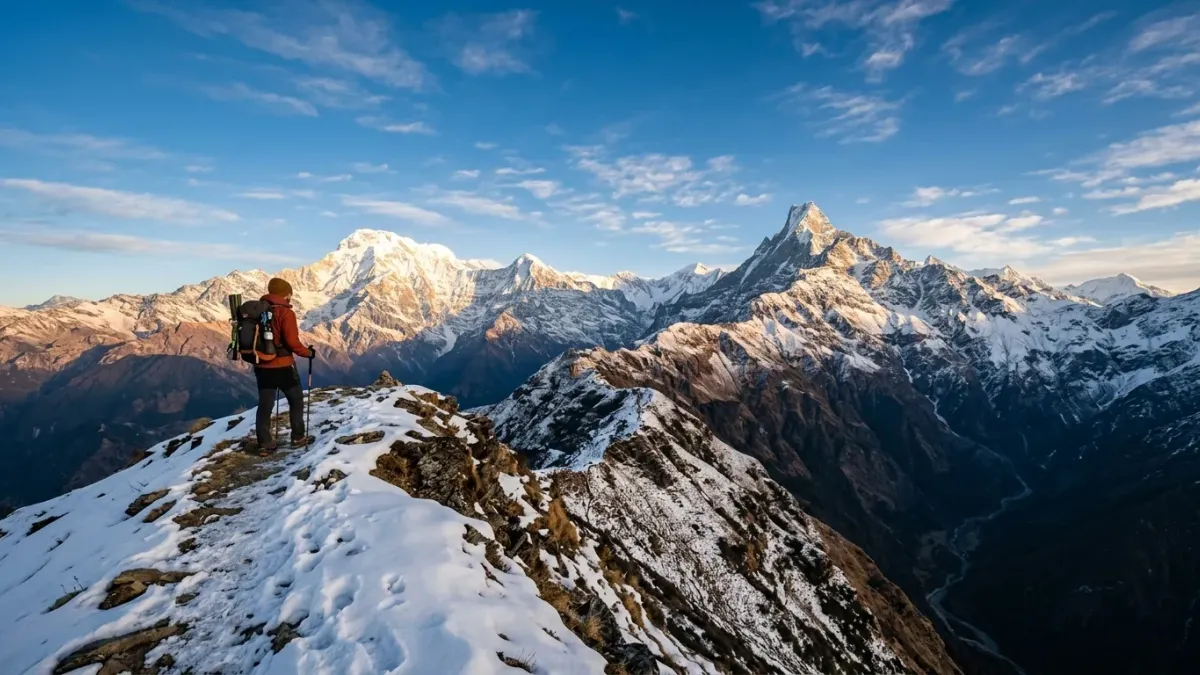
Imagine standing amidst the colossal peaks of the Himalayas, crisp mountain air filling your lungs, and a profound sense of accomplishment washing over you. The Annapurna Circuit isn't just a trek; it's an immersive journey through diverse landscapes, ancient villages, and a tapestry of cultures. And the best part? You absolutely can conquer this epic adventure on a budget, independently, making it truly your own.
Why the Annapurna Circuit is Your Next Epic Adventure (and Why Go Independent)
The Annapurna Circuit draws trekkers from across the globe, and for good reason. Over two to three weeks, you'll traverse subtropical forests, arid high-altitude deserts, and past some of the world's highest mountains. It’s a route that challenges your body, nourishes your soul, and offers an unparalleled glimpse into Nepali mountain life. From lush terraced fields to the stark beauty of the Thorong La Pass, every day brings a new vista and a deeper connection to nature.
While guided tours offer convenience, trekking independently, or undertaking a teahouse trek (where you stay in local guesthouses along the route), gives you unparalleled freedom. You set your own pace, linger in villages that capture your heart, and truly engage with the local communities. This approach not only slashes costs significantly but also fosters a more authentic travel experience. You're not just a tourist; you're a wanderer exploring at your own rhythm.
Honestly, some of my most cherished travel memories come from these independent moments. For example, imagine finding yourself sharing a cup of yak butter tea with a local family in a small teahouse in Braga, learning a few Nepali phrases, and feeling like you're truly part of the mountain life, not just passing through. That's the magic of independent trekking – those spontaneous connections and unexpected detours become the highlights of your journey, shaping a story far richer than any pre-planned itinerary could offer.
Planning Your Budget Annapurna Circuit Trek: The Essentials
Getting your ducks in a row before you hit the trail is crucial for a smooth and affordable trek. Let's break down the practicalities.
Best Time to Go (and Why Shoulder Season is Your Friend)
Choosing the right time can make or break your Annapurna experience. The most popular trekking seasons are autumn (September to November) and spring (March to May).
- Autumn: Offers crystal-clear skies, moderate temperatures, and breathtaking views after the monsoon rains have cleared. This is peak season, so expect more trekkers and slightly higher prices.
- Spring: Sees warmer temperatures, longer days, and the spectacular blooming of rhododendrons, painting the hillsides in vibrant hues. There can be occasional haze or pre-monsoon showers, but the beauty is undeniable.
For budget-conscious trekkers, consider the shoulder season months like late May/early June or late November/early December. You'll encounter fewer crowds, potentially lower prices for accommodation and transport, and still enjoy good weather, though with a slightly higher chance of rain in early summer or colder temperatures in late autumn. Just be prepared for potential light snow if trekking into December, especially at higher altitudes.
Realistic Daily Budget Breakdown (2026 Estimates)
Your daily expenses on the Annapurna Circuit will vary significantly based on altitude, your bargaining skills, and how much you indulge. Remember, prices generally increase the higher you go, as everything has to be carried up by porters or mules.
Here’s a realistic breakdown for an independent trekker. Keep in mind these are estimates, and prices can fluctuate.
| Item | Low Altitude (USD/day) | High Altitude (USD/day) | Notes |
|---|---|---|---|
| Accommodation | $5-10 | $10-20 | Often free if you eat dinner and breakfast at the teahouse |
| Food (3 meals + snacks) | $15-25 | $25-40 | Dal Bhat is your best friend (unlimited refills!) |
| Transport (to/from trailheads) | $10-20 (one-off) | $10-20 (one-off) | Local bus is cheapest, jeep costs more |
| Permits (one-off) | $50-70 total | $50-70 total | ACAP & TIMS |
| Misc. (showers, charging, snacks) | $5-10 | $10-15 | Hot showers and battery charging often cost extra at higher altitudes |
| Total Daily Estimate | $25-45 | $45-75 | Excludes initial permits, guide/porter fees (if any) |
Pro Tip: Always carry plenty of Nepali Rupees in small denominations. ATMs are rare and unreliable beyond Besisahar, and credit cards are virtually useless on the trail. Budget for at least $500-700 USD in cash for a 15-day trek, plus a buffer for emergencies.
Permits & Paperwork You Can't Skip
Two essential permits are required for the Annapurna Circuit:
- TIMS Card (Trekkers' Information Management System): This card registers your trekking details for safety and tracking purposes. It costs around $20 USD.
- ACAP (Annapurna Conservation Area Permit): This permit allows you to enter the Annapurna Conservation Area. It costs approximately $30 USD.
You can obtain both permits easily in Kathmandu (Nepal Tourism Board Office, Bhrikuti Mandap) or Pokhara (Nepal Tourism Board Office, Lakeside). You'll need your passport, two passport-sized photos, and Nepali currency. While possible to get them at the Besisahar checkpoint, it's generally smoother and quicker to get them beforehand.
Getting There & Getting Around
The traditional starting point for the Annapurna Circuit is Besisahar, though many now opt to start further up, at Syange or even Chame, by taking a jeep. This reduces the number of trekking days but cuts out some beautiful lower-elevation scenery.
- Kathmandu/Pokhara to Besisahar:
- Local Bus: The cheapest option (approx. $5-10 USD, 6-8 hours from Kathmandu, 4-5 hours from Pokhara). It’s an authentic experience, but expect crowded conditions and bumpy rides.
- Tourist Bus: A more comfortable but slightly pricier option (approx. $20-30 USD). These typically run between Kathmandu and Pokhara, then you'd need a local connection.
- Shared Jeep/Private Taxi: Faster and more comfortable, but significantly more expensive (can be $100+ USD for a private jeep). Great if you're splitting the cost with a group.
From Besisahar, you can take local jeeps or buses to extend your journey deeper into the trail, such as to Syange or Jagat. However, I'd recommend walking as much of the initial trail as possible to truly appreciate the landscape transition and for better acclimatization.
Recommended Duration
To truly savor the Annapurna Circuit and ensure proper acclimatization, I recommend budgeting 12 to 18 days. This allows for comfortable daily trekking distances, buffer days for rest or exploring side trips, and crucial acclimatization days, especially in places like Manang before tackling the Thorong La Pass. Rushing increases your risk of altitude sickness and diminishes the enjoyment of the journey.
On the Trail: Accommodation, Food, and Local Immersion
Once you're on the trail, a different rhythm takes over. Embrace the simplicity and the unique culture of the mountains.
Teahouse Living: Your Home on the Mountain
Teahouses are simple, family-run guesthouses providing basic accommodation and meals. Rooms typically feature twin beds, often with shared bathrooms (expect squat toilets and cold showers at lower altitudes; hot showers might be available for a fee higher up). I once stayed in a cozy, family-run teahouse just above Lower Pisang for about $7 a night, and the warmth of the family completely made up for the icy morning shower.
The golden rule for budget trekking is to eat where you sleep. Teahouse owners make their profit from food, so they often offer rooms for very cheap (sometimes even free!) if you commit to having dinner and breakfast there. This is a mutually beneficial arrangement and keeps your costs down.
Eating Smart & Staying Healthy
Dal Bhat Power 24 Hour! This Nepali staple (rice, lentil soup, and curried vegetables) is your best friend on the trek. It's nutritious, filling, and often comes with unlimited refills, making it incredible value for money. As you ascend, food options become more limited and expensive, so relying on Dal Bhat will save you a lot.
Avoid meat at higher altitudes; refrigeration is unreliable. Stick to vegetarian options. For water, buying bottled water daily is expensive and creates plastic waste. Instead, invest in a good water filter bottle (like a Sawyer Squeeze or Lifestraw) or purification tablets. Most teahouses will provide boiled water for a small fee, which you can then filter. This practice significantly reduces your environmental impact and saves you a fortune.
Packing Light, Packing Smart
Every gram counts when you're carrying it up mountains. Focus on layers, as temperatures fluctuate wildly. Essential items include:
- Good quality, broken-in hiking boots: Non-negotiable for comfort and safety.
- Layered clothing: Base layers, fleece, down jacket (for high altitudes), waterproof outer shell.
- First-aid kit: Blister plasters, pain relievers, altitude sickness medication (Diamox, prescribed by your doctor), antiseptic wipes.
- Water purification system: Filter bottle or tablets.
- Headlamp: Essential for early morning starts or power outages.
- Power bank: Charging points are limited and costly.
- Warm sleeping bag: While teahouses provide blankets, a -10°C rated bag offers extra warmth and comfort. You can rent these in Kathmandu or Pokhara for cheap.
Honestly, every extra kilo feels like five when you're climbing towards Thorong La Pass. Aim to keep your pack weight under 10-15 kg for maximum enjoyment. Remember, you can rent or buy most gear in Kathmandu or Pokhara if you don't want to bring it from home.
Navigating the Trail & Finding Your Way
The Annapurna Circuit is generally well-marked, with painted signs and cairns guiding the way. However, it's always wise to have a map and a reliable offline GPS app like Maps.me or Gaia GPS on your phone. These apps allow you to download detailed maps of the region beforehand and track your progress without an internet connection. Don't be afraid to ask locals for directions or confirmation; they are incredibly helpful and often the best source of up-to-date trail information.
Hidden Gems Along the Way
Beyond the main trail, some incredible detours offer unique experiences:
- Ice Lake (Kicho Tal) above Manang: A challenging but rewarding acclimatization hike from Manang. The steep climb to this stunning glacial lake (at approx. 4,600m / 15,090 ft) offers panoramic views of the Annapurna range that are simply out of this world. GPS: approximately 28.6946° N, 84.0041° E. Allow a full day.
- Tilicho Lake Side Trip: This is a more strenuous 3-4 day detour from Manang, leading to one of the highest lakes in the world (approx. 4,919m / 16,138 ft). It's rugged and requires careful planning, but the raw beauty is unmatched.
- Explore the villages above Kagbeni: Instead of rushing through, take an extra day in Kagbeni and explore the less-trodden paths leading to ancient monasteries and traditional houses in villages like Lubra, offering a glimpse into a timeless way of life.
Safety, Culture, and Sustainable Trekking: Be a Responsible Wanderer
Your journey is about more than just personal achievement; it's also about respecting the environment and the local communities.
Acclimatization is Non-Negotiable
Acute Mountain Sickness (AMS) is a serious risk at high altitudes. The golden rule is "go high, sleep low" – ascend gradually, spend an extra night acclimatizing at around 3,000m (e.g., Manang), and listen to your body. Symptoms include headache, nausea, dizziness, and fatigue. If symptoms worsen, descend immediately. Don't push through; it can be fatal. Consider consulting your doctor about Diamox, a prescription medication that can help with acclimatization, but never rely on it as a substitute for gradual ascent.
Cultural Etiquette & Respecting Local Traditions
The people of the Annapurna region are incredibly welcoming. A few simple gestures go a long way:
- Always greet locals with a friendly "Namaste" (or "Tashi Delek" in Tibetan-influenced areas).
- Dress modestly, especially when visiting monasteries or temples. Shoulders and knees should be covered.
- Ask permission before taking photos of people, especially children.
- Walk clockwise around stupas, mani walls, and monasteries.
- Support local businesses directly.
Sustainable Trekking Practices
As adventurers on Destination Wanderer, we advocate for responsible travel. Leave No Trace principles are paramount here:
- Pack it in, pack it out: Don't leave any trash, including organic waste like fruit peels.
- Use water filters: Avoid buying plastic water bottles.
- Conserve resources: Be mindful of water and electricity use in teahouses.
- Support local economy: Buy goods and services directly from the villagers.
By following these practices, you help preserve the pristine beauty of the Himalayas for future generations and support the livelihoods of the communities who call these mountains home.
What to Watch Out For
While the Annapurna Circuit is generally safe, it's wise to be aware of potential issues. Beyond altitude sickness, sudden weather changes can occur, especially around Thorong La Pass. Always carry emergency gear and check forecasts. During the shoulder seasons bordering monsoon, mudslides and rockfalls can be a concern on certain sections of the trail. Additionally, be wary of price gouging for food and water at the very highest altitudes; this is where your cash buffer becomes essential. Always confirm prices before ordering.
Common Mistakes Independent Trekkers Make (and How to Avoid Them)
Even seasoned trekkers can stumble. Here are some common pitfalls to avoid:
- Underestimating Altitude Sickness: The biggest mistake. Don't skip acclimatization days, even if you feel strong. Take it slow, drink plenty of water, and heed warnings from your body and locals.
- Overpacking: Every extra item is a burden. Stick to the essentials, and remember you can rent gear in Kathmandu or Pokhara. You'll thank yourself when climbing those endless stairs.
- Not Carrying Enough Cash: ATMs are virtually non-existent past Besisahar, and card payments are unheard of. Always carry more Nepali Rupees than you think you'll need.
- Ignoring Local Advice: Locals know the mountains, weather, and trail conditions far better than any guidebook or app. If they advise against something, listen.
- Not Training Physically: While not Mount Everest, the Annapurna Circuit involves significant elevation gain and long days. A good level of cardiovascular fitness and leg strength will make the trek much more enjoyable.
Frequently Asked Questions
How much does the Annapurna Circuit cost?
An independent Annapurna Circuit trek can cost roughly $25-75 USD per day, excluding international flights and major gear purchases. This covers basic accommodation, three meals, and incidentals. Permits add another $50-70 total, making a 15-day trek around $425-$1125, plus flights.
Do I need a guide for Annapurna Circuit?
No, the Annapurna Circuit is well-marked and can be trekked independently. However, some prefer a guide or porter for company, local insights, or to lighten their load. It's a personal choice based on your comfort level, experience, and budget.
What is the best month to trek Annapurna?
The prime trekking seasons are autumn (September to November) for clear skies and pleasant temperatures, and spring (March to May) for blooming rhododendrons. The shoulder months within these periods often offer fewer crowds and slightly better deals for the budget-conscious traveler.
How long does the Annapurna Circuit take?
Most trekkers complete the classic Annapurna Circuit in 12 to 18 days. This duration allows for proper acclimatization, a comfortable pace, and time to enjoy the diverse landscapes and cultures along the trail. Faster routes exist but significantly increase the risk of altitude sickness.
The Annapurna Circuit offers an unparalleled adventure, a journey that transforms you with every step. By embracing independent travel and smart budgeting, you're not just saving money; you're opening yourself up to a richer, more personal experience. So pack your bags, prepare your spirit, and get ready to create your own epic story in the heart of the Himalayas. We at Destination Wanderer can't wait to hear about